

Enhancing Ankle Mobility and Balance for Individuals Over 50

Understanding Ankle Mobility and Its Importance
Ankle mobility refers to the ability of the ankle joint to move freely in various directions, which is crucial for overall movement and stability. As individuals age, particularly those over 50, the significance of maintaining adequate ankle flexibility cannot be understated. Ankle mobility plays a vital role in daily activities such as walking, climbing stairs, and participating in recreational pursuits. A well-functioning ankle facilitates smooth transitions between different movements, contributing to greater independence and enhanced quality of life.
One primary aspect of ankle mobility is the range of motion it provides. A healthy range of motion in the ankle allows for effective weight distribution during physical activities, thus enabling individuals to execute movements without discomfort. Conversely, reduced mobility can lead to compensatory movement patterns, which may increase the risk of injury. For instance, if the ankle cannot adequately accommodate changes in terrain or shift weight correctly, the likelihood of missteps or falls rises significantly, particularly among older adults.
Furthermore, strong ankle mobility contributes to overall stability and balance. This is especially crucial for individuals over the age of 50, who may experience decreased proprioception or body awareness. By enhancing ankle flexibility through regular exercise and stretches, individuals can improve their balance, thereby reducing the risk of falls and related injuries. Adequate ankle mobility also supports proper alignment and biomechanics of the lower body, which are fundamental for efficient movement and injury prevention.
Therefore, prioritizing ankle health through targeted mobility exercises can be an essential strategy for aging gracefully. Maintaining good ankle mobility is not only beneficial for physical activities but also contributes significantly to one’s independence and confidence in everyday life.
Common Challenges in Ankle Mobility After 50
As individuals reach the age of 50 and beyond, various factors may contribute to decreased ankle mobility. One of the most significant challenges encountered is joint stiffness, often exacerbated by a sedentary lifestyle or prolonged periods of inactivity. As people age, the synovial fluid that lubricates joints can diminish, leading to increased friction and discomfort when moving. This reduction in mobility not only affects the ankles but can also influence overall leg strength and stability.
Arthritis is another common issue that can emerge with age. Studies show that osteoarthritis, characterized by the wear and tear of cartilage, frequently impacts the ankle joints. This condition can result in pain, swelling, and further limitations in the range of motion. Individuals suffering from arthritis may find it challenging to engage in activities they once enjoyed, ultimately affecting their quality of life.
A lack of strength in the leg muscles is closely tied to diminished ankle mobility. When the muscles that support and stabilize the ankles weaken, it can lead to difficulties in balancing. This reduction in strength can create a cycle of reduced activity, which further exacerbates mobility issues. Good ankle mobility is essential for performing daily activities; therefore, recognizing these changes and their implications is vital.
Moreover, vestibular system changes that occur with age can also play a role in balance issues associated with poor ankle mobility. Many older adults may experience a decrease in proprioception, or the body’s ability to perceive its position and movement in space, making them more prone to falls. Understanding these age-related challenges is crucial for individuals over 50. By being aware of these factors, older adults can take proactive measures, such as engaging in specific exercises, to enhance their ankle mobility and improve their overall balance and mobility.
Effective Exercises to Improve Ankle Mobility
As individuals age, maintaining mobility is essential for overall health and wellbeing. Ankle mobility is often overlooked but is crucial for everyday activities such as walking, climbing stairs, and maintaining balance. Here are some effective exercises designed to enhance ankle mobility, specifically for individuals over 50.
One of the simplest exercises to start with is the ankle circles. To perform this exercise, sit or stand and lift one foot off the ground. Begin to rotate your ankle clockwise in a circular motion for 10 repetitions, and then switch to counterclockwise for another 10. This movement helps to loosen up the ankle joint and improve its range of motion.
Another beneficial exercise is the heel raises. Stand with your feet shoulder-width apart while holding onto a sturdy surface for support. Slowly rise onto your toes, lifting your heels off the ground, and then lower back down. Aim for 10 to 15 repetitions. This exercise not only enhances ankle mobility but also strengthens the calves, which play a significant role in ankle stability.
The toe stretch is an excellent way to boost flexibility. While seated, extend one leg out in front and flex your foot so that your toes point towards you. Hold this position for 15 to 30 seconds, feeling a gentle stretch in your ankle and calf. Repeat with the opposite foot. This exercise can be done several times throughout the day.
Lastly, consider the ankle dorsiflexion stretch. To perform this, sit on the floor with your legs extended. Use a resistance band or towel to pull your foot towards your body while keeping your knee straight. Hold for 15 to 30 seconds and switch legs. This stretch enhances the flexibility of the Achilles tendon and calf muscles.
When performing these exercises, individuals should ensure they are executed slowly and smoothly to avoid any strain. It is advisable to consult with a healthcare professional before starting any new exercise regimen, especially if there are existing medical conditions. Consistent practice of these exercises can lead to improved ankle mobility and better balance over time.
Tips for Enhancing Balance and Stability
Improving balance and stability is vital for individuals over 50 to maintain mobility and reduce the risk of falls. Integrating balance exercises into daily routines can significantly enhance overall stability. One effective method is to dedicate a portion of your regular exercise regimen to specific balance exercises, such as single-leg stands, heel-to-toe walking, and tai chi. These activities not only strengthen the muscles required for balance but also improve coordination and body awareness.
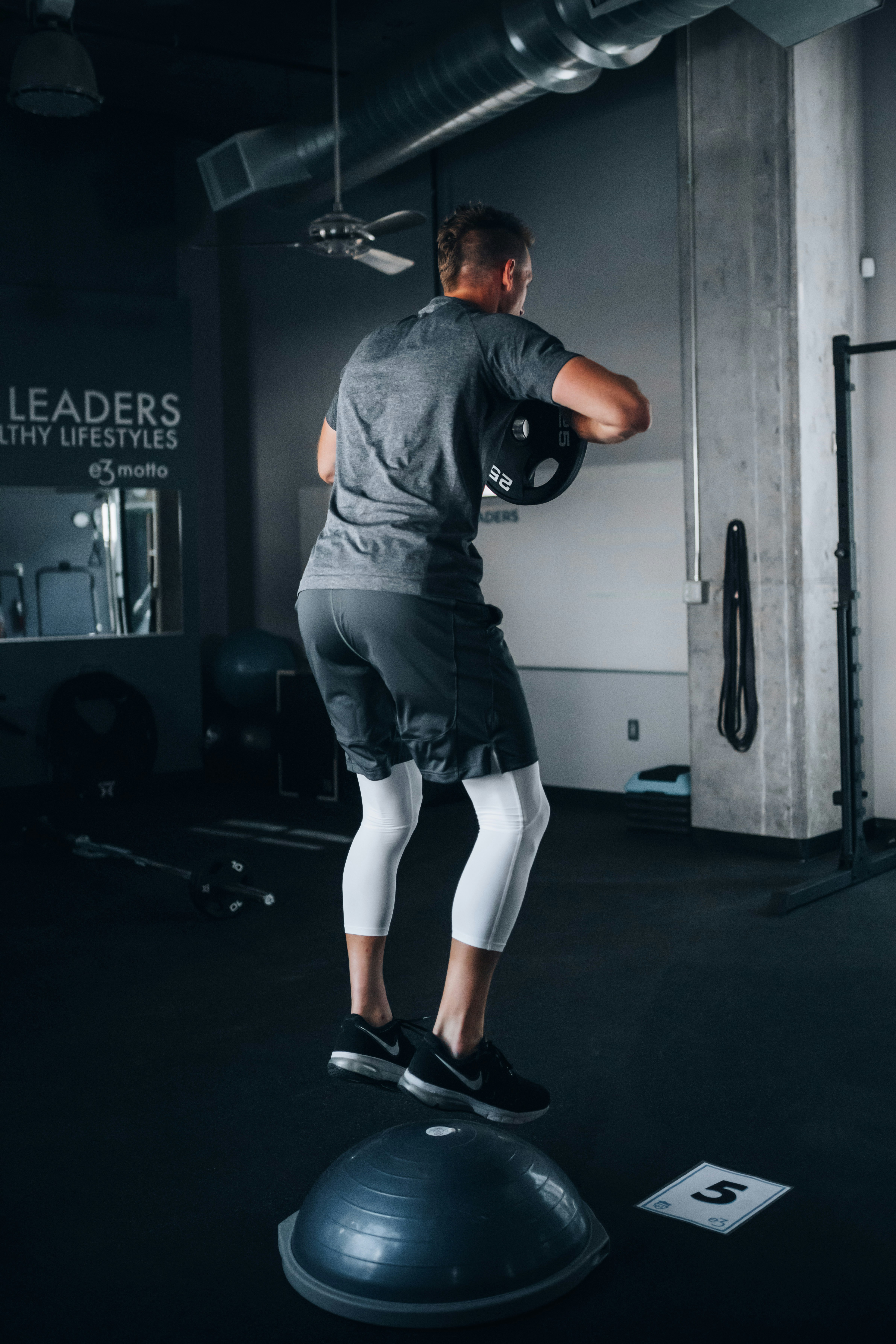
An important tool for enhancing balance is the use of balance boards, which help to develop proprioception, the sense of body position in space. Balance boards can be particularly useful as they challenge the stability of the body while performing various exercises. Regular practice on a balance board can lead to better control and steadiness in daily activities, thus contributing to enhanced functional mobility.
In addition to structured exercises, adopting mindful walking techniques can further contribute to improved balance. This involves being aware of your body posture and foot placement as you walk. Consider taking slow, deliberate steps and focusing on the ground ahead to enhance your control. Engaging in outdoor activities, like walking on varied terrain, can also provide natural challenges that improve your adaptability and balance.
Moreover, strengthening the core is vital for maintaining stability. Incorporate exercises such as planks, bridges, and abdominal crunches into your routine. A strong core supports the spine and equilibrium, making it easier to perform daily activities without losing balance. As you progress, aim to increase the complexity of your exercises by incorporating instability or modifying the tempo to further challenge your stability.
By incorporating these practical tips into daily life, individuals over 50 can significantly enhance their balance and stability, supporting better mobility and overall well-being.
