

Exploring Yoga for Adults Over 50: Benefits, Beginner Poses, and Safety Tips
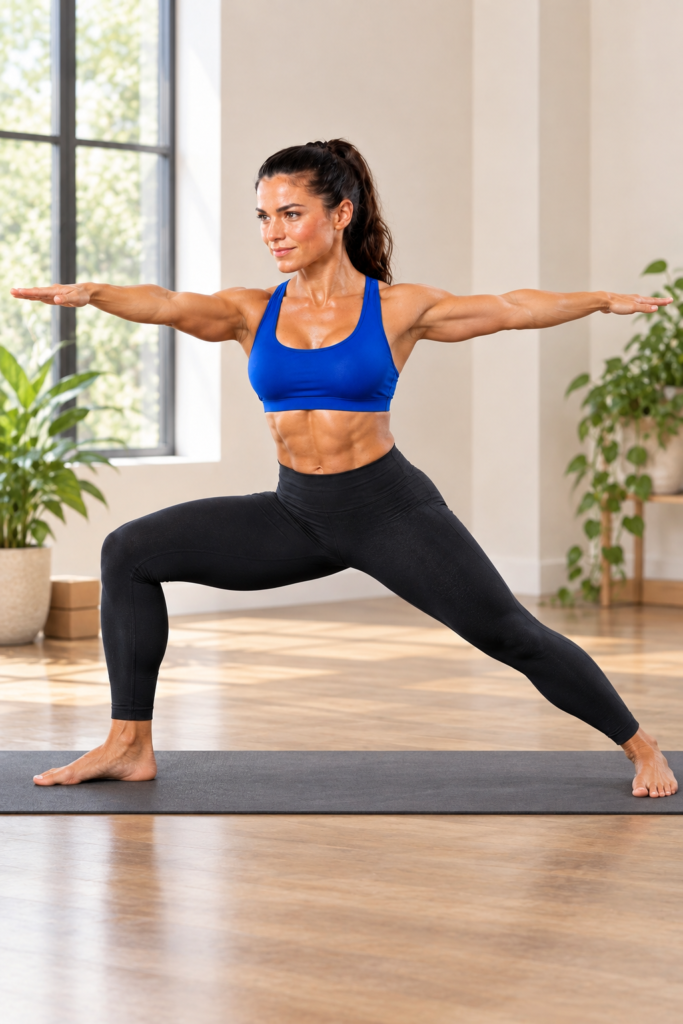

The Benefits of Yoga for Older Adults
Yoga, a practice that has garnered attention for its multifaceted benefits, becomes particularly significant for adults over 50. Engaging in regular yoga sessions can enhance physical, mental, and emotional well-being, making it a valuable addition to a healthy lifestyle in later years.
One of the most notable physical advantages of practicing yoga is improved flexibility. As individuals age, the body tends to lose elasticity, which can lead to stiffness and increased risk of injuries. Through consistent yoga practice, older adults can maintain and even enhance their flexibility, enabling easier movement in daily activities.
Balance is another critical area where yoga has a profound impact. Many seniors face challenges with balance due to diminishing muscle strength and coordination. Incorporating postures that focus on stability helps build the necessary strength and coordination, significantly reducing the risk of falls—an essential concern for this age group.
Strength is often underestimated. Regular yoga practice not only enhances flexibility and balance but also contributes to building muscle strength, an essential factor in maintaining independence. As muscle mass declines with age, strengthening exercises within yoga can help counteract this decline, promoting overall physical health.
Mental health benefits are equally important. Yoga is known for its ability to reduce stress and anxiety levels. The combination of deep breathing, meditation, and mindful movements helps in calming the mind, providing invaluable relief from the pressures of daily life. This holistic approach to mental well-being can significantly contribute to a better quality of life, fostering a sense of peace and relaxation.
Lastly, practicing yoga promotes emotional well-being by fostering mindfulness and self-acceptance. In a world where aging can sometimes be viewed negatively, yoga encourages a positive outlook, allowing older adults to embrace their stage of life with grace and positivity. This acceptance, coupled with the practice’s physical benefits, contributes to an improved sense of overall well-being.
Beginner Yoga Poses for Seniors
Yoga can be a wonderful practice for seniors, particularly for those over 50, as it enhances flexibility, balance, and relaxation. Below are several beginner-friendly yoga poses specifically designed to be safe and accessible for older adults. Each pose is accompanied by detailed instructions and potential modifications.
1. Mountain Pose (Tadasana)
Stand tall with your feet together and arms by your sides. Engage your thighs and lift your chest, grounding your weight evenly across both feet. Breathe deeply, allowing your arms to slowly rise overhead. For modification, use a chair for support if needed.
2. Cat-Cow Stretch (Marjaryasana-Bitilasana)
Start on all fours with wrists under shoulders and knees under hips. Inhale, arching your back and looking up (Cow Pose), and exhale while rounding your spine and tucking your chin (Cat Pose). Repeat this flow to enhance spinal flexibility. If kneeling is uncomfortable, perform this stretch while seated in a chair.
3. Seated Forward Bend (Paschimottanasana)
Sit with your legs extended straight in front of you. Inhale, lengthening your spine, then exhale as you hinge at your hips to reach forward toward your feet. If you cannot touch your toes, simply hold your shins or thighs. You can also use a strap around your feet for added support.
4. Child’s Pose (Balasana)
Kneel on the floor and sit back on your heels. Reach your arms forward and lower your torso between your thighs. This restorative pose stretches the lower back and promotes relaxation. A folded blanket under your knees can provide added comfort if needed.
5. Standing Forward Bend (Uttanasana)
Stand with feet hip-width apart. Inhale, then exhale as you hinge forward at the hips, bending your knees slightly if necessary. Allow your arms to hang or grab opposite elbows. Use a block for support if you cannot reach the floor comfortably.
These yoga poses can be practiced individually or combined into a gentle routine. Ensure to listen to your body and make adjustments as necessary, fostering a positive and enjoyable experience while embarking on your yoga journey.
Safety Considerations for Practicing Yoga as You Age
As individuals reach the age of 50 and beyond, engaging in yoga can offer numerous physical and mental health benefits. However, it is essential to approach this practice with careful consideration for one’s physical state and any existing health conditions. Before starting a yoga routine, seniors should take specific safety precautions to ensure a positive and beneficial experience.
First and foremost, consulting with a healthcare professional is crucial. This initial step allows individuals to discuss any pre-existing medical conditions, such as arthritis, heart disease, or joint problems, that may affect their ability to perform certain yoga poses. A healthcare provider can offer tailored advice and may recommend modifications to ensure safety while practicing yoga.
Listening to one’s body is an integral part of participating in yoga safely. Seniors should remain mindful of their physical sensations during practice. If a pose causes pain or discomfort, it is important to ease off and modify the pose or skip it entirely. Yoga should promote relaxation and flexibility, not strain or injury. Therefore, maintaining awareness of one’s limits is essential for a safe practice.
Additionally, seniors are encouraged to select classes specifically designed for older adults. These classes often provide guided instruction that emphasizes gentle, restorative movements suitable for aging bodies. Instructors are typically trained to understand the unique needs and challenges faced by older practitioners, which enhances overall safety.
Another important consideration is the practice environment. Seniors should choose a space that is free from hazards, with plenty of room to move safely. Non-slip mats and appropriate clothing can further enhance safety during practice. Additionally, ensuring proper hydration before, during, and after yoga sessions helps prevent any physical strain associated with dehydration.
By taking these precautions and listening to their bodies, seniors can enjoy the benefits of yoga while minimizing risks. Engaging with yoga in a safe and mindful manner allows for greater enjoyment and the opportunity to reap the rewards of this enriching practice throughout their golden years.
Integrating Yoga into Your Daily Routine
Incorporating yoga into the daily routine can significantly enhance the overall wellness of adults over 50. A consistent practice schedule is essential in reaping the full benefits of yoga. Ideally, individuals should aim to practice yoga several times a week, even if only for a short duration. Setting aside a specific time each day can foster discipline and create a habit that becomes a natural part of daily life.
Joining local yoga classes designed specifically for seniors can also be vastly beneficial. These classes not only provide structured guidance from experienced instructors but also create a supportive community. Engaging with others can enhance motivation and accountability, making it less likely for individuals to skip sessions. Many community centers and gyms offer tailored classes that prioritize safety and accessibility for older adults.
For those who prefer the flexibility of home practice, numerous online resources are available. Websites and apps provide instructional videos suitable for all skill levels, ensuring that seniors can practice at their own pace and comfort. Whether through guided sessions or more informal practice, these resources allow individuals to explore various yoga styles and find what best suits their needs.
The benefits of integrating yoga into a holistic approach to health are multifold. Not only does it support physical well-being by enhancing flexibility, strength, and balance, but it also contributes to mental and emotional health. Yoga encourages mindfulness and stress reduction, essential for maintaining a positive outlook in the later years. Additionally, regular practice can foster a greater awareness of one’s body, promoting healthier lifestyle choices and encouraging connection among participants.
Ultimately, by adopting a consistent yoga practice, seeking community support, and utilizing available resources, adults over 50 can enjoy a richer, healthier life. This holistic approach to health through yoga can lead to improved well-being and a greater sense of fulfillment in daily activities.
