
Enhancing Balance and Fitness with Tai Chi After 50
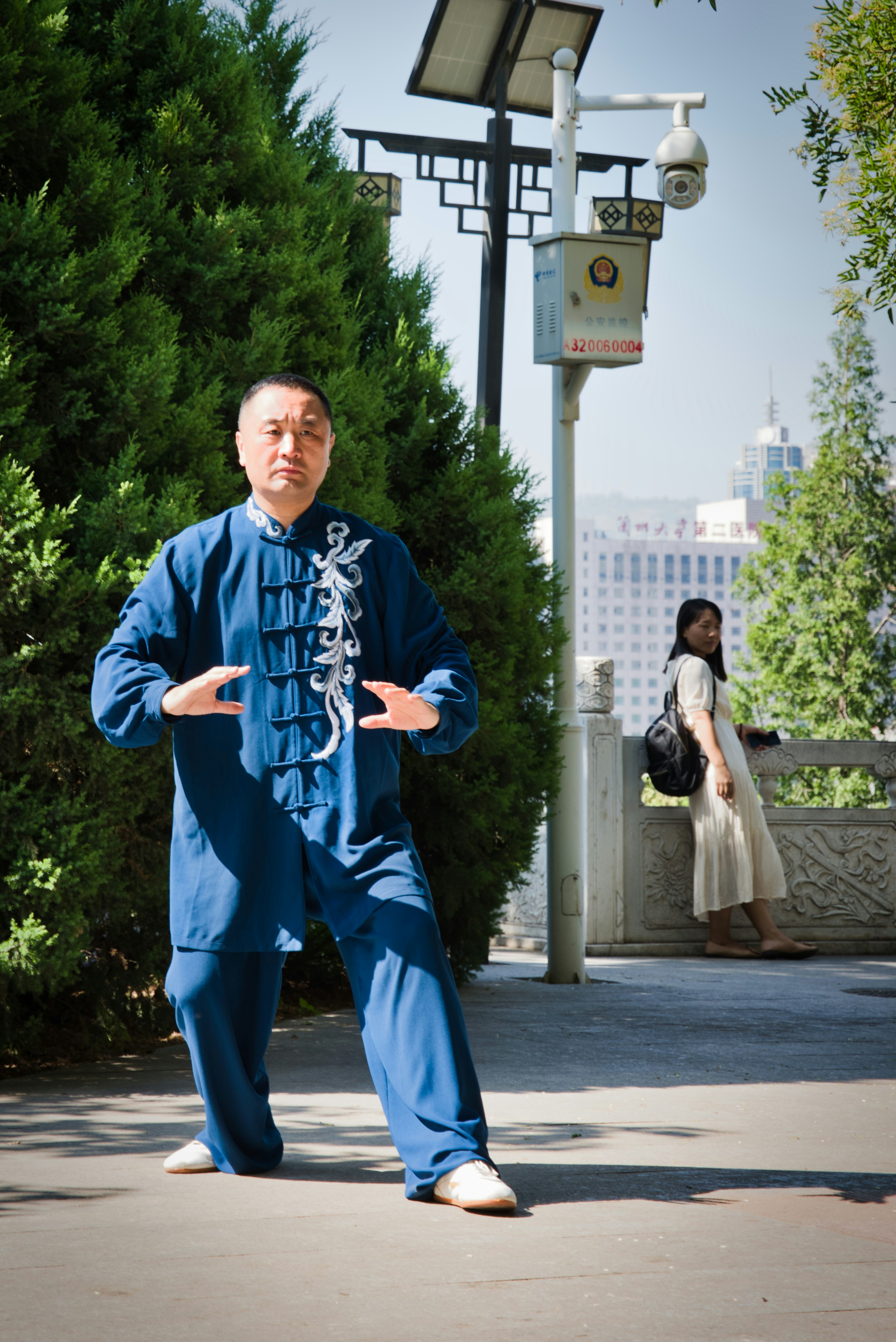

Understanding Tai Chi and Its Benefits
Tai Chi, sometimes referred to as Tai Chi Chuan, is a traditional Chinese martial art that emphasizes slow, deliberate movements and focused breathing. Its origins can be traced back over 700 years, ultimately developing from ancient Chinese martial arts into a practice popularly recognized for its health benefits. This gentle form of exercise is rooted in the philosophy of achieving balance between Yin and Yang—maintaining harmony within oneself and with the external environment.
Practiced by millions worldwide, Tai Chi offers a wide array of benefits, particularly appealing to individuals over the age of 50. One of the most significant advantages of Tai Chi is its ability to enhance balance. With age, maintaining balance becomes increasingly vital to prevent falls and related injuries. The slow, controlled movements of Tai Chi help strengthen the muscles involved in balance, improving overall stability and coordination.
Moreover, Tai Chi fosters mental clarity and concentration. The meditative aspect of the practice promotes mindfulness, allowing practitioners to focus on their movements and breathe deeply. This intentional focus can lead to clearer thinking and enhanced mental sharpness, making it an ideal exercise for older adults looking to maintain cognitive function.
In addition to physical and mental benefits, Tai Chi is also an effective stress-relief technique. The rhythmic flow of the movements combined with deep breathing can significantly reduce anxiety and tension. Through regular practice, individuals may experience improved emotional well-being and a deeper sense of relaxation.
Overall, incorporating Tai Chi into one’s lifestyle can be highly beneficial for those over 50. From enhancing balance and stability to fostering mental clarity and reducing stress, the advantages of Tai Chi contribute to a more vibrant, healthy life as one ages. Embracing this ancient practice can lead to profound improvements in quality of life and overall health.
Finding the Right Tai Chi Class or Instructor
When searching for a suitable Tai Chi class or instructor, particularly for older adults, it is essential to consider several key factors that can significantly impact the training experience. First and foremost, potential participants should look for instructors who possess experience working with older populations. Instructors familiar with the specific challenges and needs faced by seniors can tailor classes to be more inclusive and sensitive to any physical limitations.
Additionally, class size is a crucial factor. Smaller class sizes often result in more individualized attention from the instructor, allowing for adjustments to movements and techniques based on individual capabilities. Older adults may feel more comfortable expressing their concerns or difficulties in a less crowded environment, which can foster a more supportive atmosphere essential for learning.
It is also vital to consider the style of Tai Chi being taught. Many styles exist, but those designated as gentle and accessible, such as Yang or Sun styles, may be particularly beneficial. These styles not only focus on smooth and flowing movements but also emphasize balance, coordination, and relaxation—qualities important for enhancing the physical health of individuals over 50.
Before committing to a class, it may be beneficial to observe a session. This approach allows prospective participants to assess the instructor’s teaching style and the overall dynamics of the class. Observing how the instructor interacts with students can provide insights into whether the environment is welcoming and supportive, as this nurturing atmosphere can encourage older adults to engage more fully in their learning journey.
Lastly, do not hesitate to ask for recommendations. Speaking with local community centers or aging support organizations may yield valuable insights into reputable Tai Chi classes. By considering these factors, older adults can find a Tai Chi class or instructor that suits their needs and enhances their journey towards improved balance and fitness.
Basic Tai Chi Movements for Beginners
Tai Chi, an ancient Chinese martial art, offers a gentle yet effective way to enhance balance and overall fitness, especially for individuals over the age of 50. Engaging in this low-impact exercise not only improves physical stability but also promotes mental clarity and relaxation. Below are some foundational Tai Chi movements that are particularly beneficial.
The first movement frequently introduced to beginners is the “Parting the Wild Horse’s Mane.” This graceful motion involves shifting weight from one foot to another while extending the arms outward, mimicking the action of grooming a horse’s mane. This movement helps to improve coordination and balance, making it an ideal starting point for those looking to develop their Tai Chi practice.
Another essential movement is the “Wave Hands Like Clouds.” This fluid exercise encourages relaxation and balance as practitioners move their arms in a circular motion while stepping sideways. The emphasis is on maintaining a soft and flowing posture, which not only aids in physical fitness but also calms the mind, enhancing overall well-being.
“Golden Rooster Stands on One Leg” is yet another beneficial Tai Chi movement that enhances stability. As the name suggests, this exercise requires practitioners to lift one leg while balancing on the other. This action strengthens the legs and improves balance, which is crucial for reducing the risk of falls in older adults.
It is important for beginners to pay attention to safety and technique while practicing these movements. Starting slowly, focusing on breathing, and maintaining proper posture can help prevent injury and improve effectiveness. Utilizing a stable surface to practice near initially can offer additional support and help build confidence.
Incorporating these basic movements into a regular exercise routine can lead to significant improvements in balance and physical fitness over time. As practitioners become more comfortable with these Tai Chi forms, they can explore more advanced movements, further deepening their practice and enhancing their health.
Incorporating Tai Chi into Daily Life
Integrating Tai Chi into your daily routine can significantly enhance your overall well-being, especially as you age. To begin with, it is essential to set a regular practice schedule that fits into your lifestyle. Aim for at least 20 to 30 minutes of Tai Chi practice a few times a week. You can choose specific times of the day that suit you, whether early morning or late afternoon, ensuring that it becomes a consistent part of your life.
Finding community support can also enhance your Tai Chi journey. Look for local classes offered at community centers or wellness studios. Participating in group classes not only helps in learning proper techniques but also provides social interaction, which can be particularly beneficial after 50. Many communities have Tai Chi groups that meet outdoors, allowing members to enjoy nature while practicing.
To maintain motivation, consider joining online forums or social media groups dedicated to Tai Chi practitioners. Sharing your experiences and progress with like-minded individuals can keep you inspired. You might also explore mobile applications designed to guide Tai Chi practice through visual demonstrations. These tools can help you track your progress and revisit fundamentals at your own pace.
Progress tracking is another useful method to keep you engaged. Create a simple log or journal where you can note down what you practiced each day, how you felt, and any improvements you noticed. This reflection can be both motivating and rewarding, as it allows you to see your growth over time.
Incorporating Tai Chi into your daily routine is not just about physical movement; it also cultivates mindfulness and relaxation. As you become more familiar with the practice, you may find opportunities to incorporate simple Tai Chi exercises into various aspects of your day, such as during breaks or while waiting for appointments. These small integrations can lead to substantial enhancements in your quality of life.
