
Wall-Based Mobility Exercises for Healthier Shoulders, an Open Chest, and Better Posture
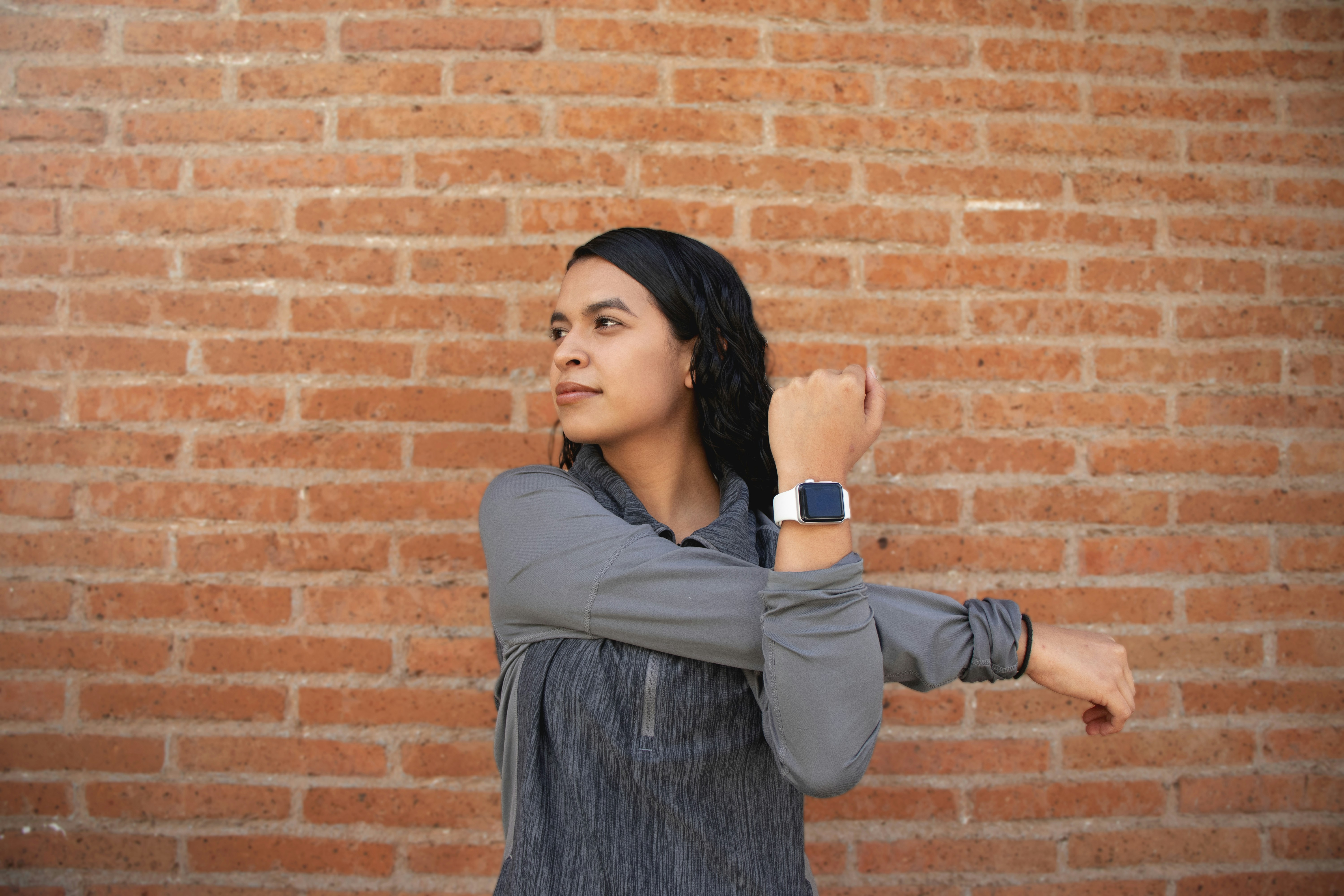
Wall mobility exercises are controlled movements performed with a wall as a source of feedback, balance, and range-of-motion guidance. The wall can help a person notice whether the ribs are flaring, the shoulders are lifting, or the spine is compensating as the arms move. It is a useful training tool, not a cure-all for poor posture, shoulder pain, or restricted movement. The objective is to explore comfortable motion with greater awareness and control.
Shoulder mobility is closely connected to movement in the thoracic spine, flexibility across the chest, and control of the scapulae, or shoulder blades. When the upper back moves poorly or the chest and front shoulder tissues feel restricted, reaching overhead may become less efficient. Likewise, weakness or limited coordination in the muscles that position the shoulder blades can affect arm movement and everyday posture. Posture is dynamic rather than a fixed shape; the goal is not to force the body into a rigid position, but to improve comfort, coordination, awareness, and access to useful ranges of motion.
Stiffness may develop after prolonged sitting, repetitive desk work, frequent overhead activity, or habits that limit upper-back movement. Wall drills can provide a simple way to interrupt these patterns and practise smoother movement. They should be performed slowly, without bouncing or forcing the arms into position. Steady breathing is encouraged. Mild stretching or muscular effort may be acceptable, but sharp pain, numbness, tingling, dizziness, or worsening symptoms are reasons to stop.
Anyone with a recent injury, shoulder instability, significant arthritis, nerve symptoms, or persistent pain should seek individualized guidance from a qualified healthcare professional before exercising. The American Academy of Orthopaedic Surgeons’ shoulder conditioning guidance similarly emphasizes adapting exercises to the individual and performing them without pain. A wall may improve feedback and confidence, but it cannot replace assessment when symptoms are substantial, unexplained, or ongoing.
Wall-based drills provide a simple way to explore shoulder mobility while giving the body useful feedback about posture and alignment. Begin with wall slides. Stand with the upper back, or the full back if comfortable, near a wall and place the arms in a relaxed goalpost shape. Keep the ribs gently settled and the neck long. Slowly slide the forearms or hands upward, then return with control. Move only through a range that feels smooth; the purpose is to encourage overhead reach and coordinated shoulder-blade movement, not to achieve maximum height.
Wall angels offer a more demanding variation. From a similar stance, guide the arms upward and downward while maintaining steady breathing and a comfortable range. The hands do not need to remain in constant contact with the wall, particularly if doing so causes the ribs to flare, the lower back to arch, or the shoulders to shrug. For assisted shoulder flexion, face the wall and walk the hands upward, or slide them along the surface, to gradually explore overhead motion. A controlled pace can reveal differences between sides without requiring force.
To practice external rotation, keep one elbow close to the side and use the wall for light support as the forearm moves outward. Scapular push-ups and wall push-ups provide lower-load options for learning protraction and retraction. Maintain a long spine, bend the elbows only as appropriate, and concentrate on the shoulder blades gliding rather than the neck muscles gripping. These movements should feel deliberate and stable.
A practical starting point is one or two sets of six to ten slow repetitions, with a brief pause at the easiest end range, performed several times per week if comfortable. Prioritize quality, symmetry, and control over height or speed. Avoid forcing the arms overhead, flaring the ribs, arching the back, shrugging excessively, or treating pain as evidence of progress. Shoulder ranges may differ naturally, so adjust each exercise rather than trying to force identical movement on both sides.
Wall-based mobility drills can combine chest opening, thoracic extension, breathing, and postural awareness without requiring specialized equipment. For a wall chest stretch, place one forearm against a wall or doorway-like corner, with the elbow comfortably below shoulder height. Step forward gradually until a mild stretch is felt across the chest and front of the shoulder. Keep the ribs gently contained rather than allowing them to flare, and avoid compensating with an exaggerated lower-back arch. Hold for approximately 15 to 30 seconds while breathing slowly through the nose, then change sides. Using both forearms can provide a broader stretch, provided the position remains comfortable.
A staggered-stance wall pec stretch offers another option and may emphasize different chest fibers. Place one foot slightly forward, maintain a relaxed knee, and turn the trunk only enough to create gentle tension. A wall-supported thoracic-extension drill can then encourage movement through the upper back: position the hands or forearms on the wall, keep the pelvis and ribs controlled, and allow the upper spine to extend softly without forcing the neck or lumbar region. Complete several slow repetitions, returning to a neutral position between each one.
For a wall posture reset, stand with the feet comfortably placed and the knees soft. Allow the upper back and back of the head to approach the wall, but do not force either area into contact. Lengthen gently through the crown of the head and practice relaxed nasal or diaphragmatic breathing for several breaths. Wall reach-and-lift variations, performed by sliding or reaching the arms upward, can promote upward rotation of the shoulder blades and coordinated movement of the upper back. Use a small range and repeat approximately 6 to 10 times.
These exercises do not permanently “correct” posture. They can instead improve awareness and help build tolerance for varied positions. People unable to place the head or arms comfortably against the wall can stand farther away, reduce the range, or use one arm only. NHS posture and exercise guidance, along with general recommendations from the American College of Sports Medicine, supports regular, appropriately scaled activity, although individual outcomes vary. Exercise is not a substitute for diagnosis or treatment, particularly when pain, numbness, or weakness is present.
Begin with relaxed breathing, allowing the ribs to expand without lifting the shoulders. Add slow shoulder rolls in both directions, then perform wall slides or assisted overhead flexion within a comfortable range. Continue with scapular push-ups or wall push-ups, keeping the neck relaxed and the trunk controlled. Include one or two chest-opening stretches, and finish with a posture reset followed by a gentle overhead reach.
A five- to ten-minute routine performed two to four times weekly is a practical starting point, although consistency matters more than a rigid schedule. For a beginner version, stand close to the wall, use a smaller range, and avoid prolonged weight-bearing. Intermediate participants can step slightly farther away, increase repetitions, or add controlled pauses. During a desk break, one or two low-effort drills may be sufficient. Progress gradually, changing only one factor at a time.
Stop before fatigue alters technique, and alternate mobility work with strengthening rather than repeatedly stretching an irritated joint. Track progress by noticing an easier overhead reach, less neck tension, better control of the ribs and pelvis, more comfortable sitting and standing positions, and smoother, more even shoulder-blade motion. Progress does not require pressing every body part against the wall.
Seek professional assessment for persistent or increasing pain, night pain, pain after trauma, marked weakness, instability, reduced motion, swelling, numbness, tingling, or symptoms extending into the arm. Stop the exercise and obtain advice if symptoms worsen or coordination changes.
References and Further Guidance
For general educational information, consult the American Academy of Orthopaedic Surgeons shoulder conditioning program, NHS guidance on exercise and posture, and resources from the American College of Sports Medicine. These sources do not replace individualized care. A physical therapist or physician can adapt exercises for an injury, surgery recovery, neurological symptoms, or another medical condition.
