
Using Light Strength Work to Ease Back, Hip, and Knee Pain After 50
Understanding Pain in the Back, Hips, and Knees After 50
As individuals reach the age of 50 and beyond, they often experience increased discomfort in various joints, particularly in the back, hips, and knees. This pain can result from several factors, primarily stemming from physiological changes that occur with aging. One of the most significant contributors to joint pain in this age group is arthritis, a degenerative condition that affects the cartilage protecting the joints. Osteoarthritis, the most common form, leads to stiffness and inflammation, resulting in persistent pain.
Another factor influencing joint pain is the cumulative effect of physical activity over the years. As people age, their bodies become less resilient, which can make previous injuries, even those that seemed minor at the time, more pronounced. Additionally, decreased muscle strength and flexibility plays a crucial role in back, hip, and knee pain; as muscle mass diminishes with age, joints may become less stable, leading to increased wear and tear.
Lifestyle choices are also critical. Many individuals lead sedentary lifestyles in their later years, which can exacerbate stiffness and weakens muscles surrounding the joints. Inadequate physical activity contributes to a decrease in the range of motion and increases pain sensitivity. Furthermore, excess body weight puts additional strain on weight-bearing joints, particularly the knees and hips, intensifying discomfort.
It is essential for individuals over 50 to understand these contributing factors, as a comprehensive approach to managing their health and well-being can significantly alleviate pain. Engaging in light strength work not only can enhance muscle strength but may also improve flexibility and overall joint function. By recognizing the physiological changes adapting their lifestyle accordingly, individuals can take proactive steps to mitigate pain and improve their quality of life.
Benefits of Light Strength Work for Pain Relief
Light strength work offers numerous physical benefits that can significantly alleviate back, hip, and knee pain, especially for individuals over 50. One of the primary advantages includes the enhancement of overall strength. By engaging in light resistance exercises, individuals can build muscle mass, which is vital for supporting the skeletal structure and reducing strain on joints. This additional support can lead to decreased discomfort associated with daily activities and improve overall mobility.
Improved flexibility is another essential benefit of incorporating light strength exercises into one’s routine. Regular stretching and resistance movements can promote a greater range of motion in the muscles and joints, which can be particularly beneficial for those experiencing stiffness in their back, hips, or knees. Increased flexibility can also mitigate the risk of injury during other physical activities, making everyday tasks easier and more enjoyable.
Furthermore, light strength training plays a crucial role in promoting better posture. Many individuals, especially those who sit for prolonged periods, develop poor posture, contributing to chronic pain. By focusing on strengthening the core and back muscles, light strength work aids in aligning the spine correctly, which can alleviate discomfort in the back region. Enhanced posture positively influences overall body mechanics, reducing stress on hips and knees as well.
Lastly, engaging in light strength work can significantly enhance balance and stability. As one ages, the risk of falls increases, often due to declining strength and coordination. By consistently practicing light strength exercises, individuals can improve their balance, thereby minimizing the chances of falls and related injuries. This increase in stability also directly contributes to pain relief, as proper balance can prevent undue stress on the joints.
Incorporating Light Strength Work into Your Routine
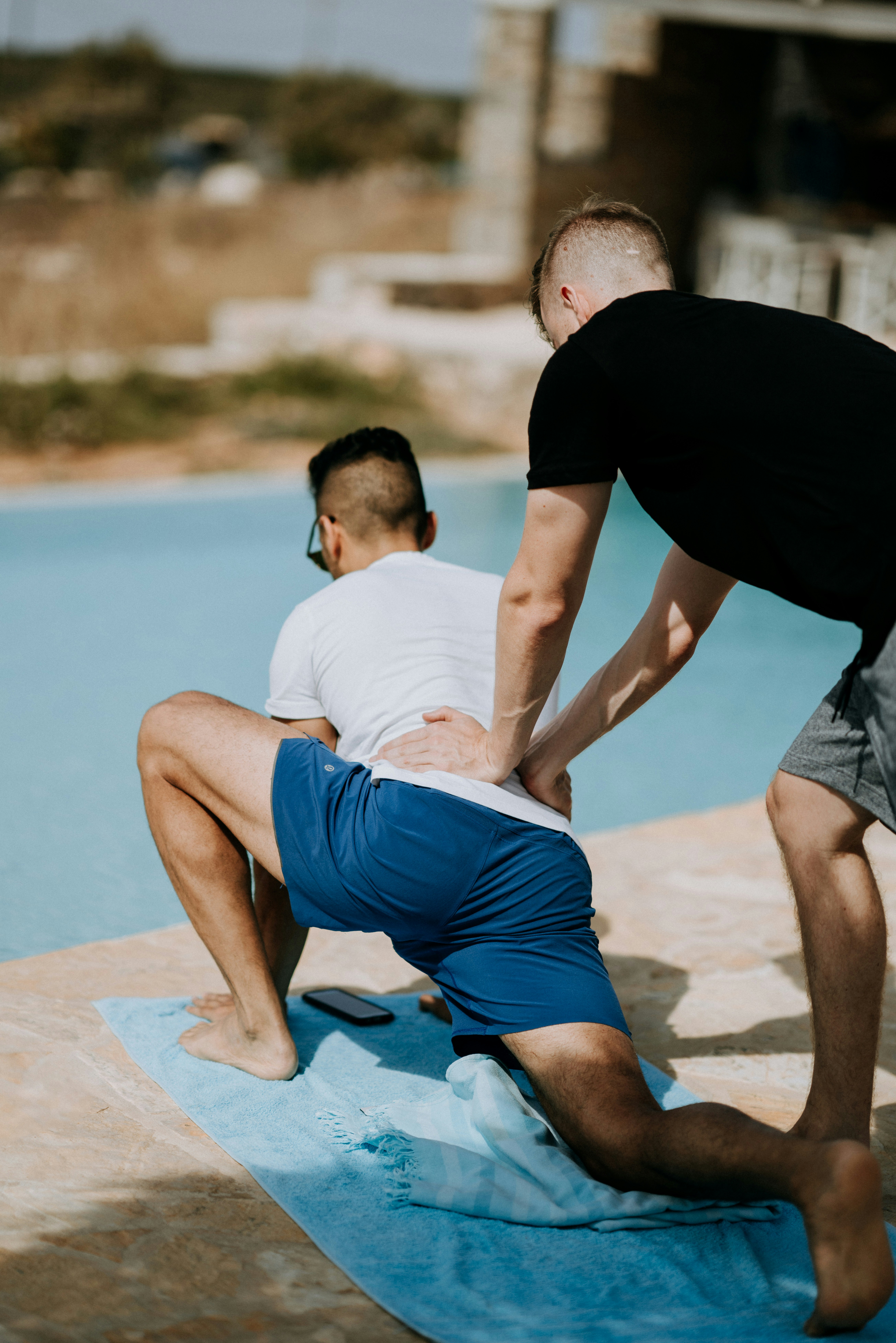
For individuals over 50, integrating light strength work into daily routines can significantly enhance overall well-being, particularly in alleviating back, hip, and knee pain. Establishing a safe exercise environment is crucial. Start by choosing a comfortable space with ample room to move, avoiding clutter and hazards that could lead to falls or injuries. Ensure that the flooring is non-slip and, if necessary, use supportive furniture or equipment to assist with stability.
Next, selecting the right exercises is essential. Light strength work can encompass a variety of activities, including bodyweight exercises, resistance bands, and light weights. Focus on movements that target major muscle groups while being mindful of any pre-existing conditions or limitations. Basic exercises such as seated leg lifts, wall push-ups, and gentle squats can be beneficial. It is advisable to consult with a healthcare professional or a certified trainer who specializes in senior fitness to tailor a regimen that fits individual needs.
A gradual approach to building strength and endurance cannot be overstated. Individuals should begin with short sessions, approximately 10 to 15 minutes, two to three times per week. This allows the body to adapt without overwhelming it. As strength improves, sessions can be extended and the number of days per week can be increased incrementally. Listening to one’s body is paramount; if discomfort occurs, it is crucial to modify the exercise or take breaks as needed.
In summary, creating a structured yet flexible routine around light strength work provides a foundation for maintaining mobility and reducing discomfort. With careful planning and regular practice, individuals over 50 can enhance their quality of life and minimize pain in key areas such as the back, hips, and knees.
Frequently Asked Questions about Light Strength Work and Pain Management
Light strength work can be an effective method for managing pain in seniors, particularly for those experiencing discomfort in the back, hips, and knees. Below, we address some of the most common questions regarding its safety, effectiveness, and best practices.
How often should I engage in light strength work?
For individuals over 50, it is generally recommended to engage in light strength training exercises 2 to 3 times a week. This frequency allows for adequate recovery and adaptation of muscles while providing sufficient stimulus for strength gains. It is important to start with shorter sessions and progressively increase duration as tolerated, ensuring that the exercises remain comfortable and manageable.
What should I do if I experience pain during exercises?
It is not uncommon to feel some discomfort when beginning a new exercise regimen, but it is crucial to differentiate this from pain. If a specific movement causes sharp or debilitating pain, it is advisable to discontinue that exercise immediately and consult a healthcare professional. Modifications to form or using lighter weights may also help reduce discomfort, making the activity safer and more enjoyable.
Are there specific exercises recommended for back, hip, and knee pain?
Numerous light strength exercises target these areas, such as leg press, seated rows, and wall sits. Focus should be placed on low-impact activities that enhance strength without putting excessive strain on joints. It is beneficial to incorporate resistance bands or light free weights as they provide support and enable gradual increases in resistance.
Is light strength work safe for everyone?
Light strength work is generally safe for most seniors, but it is essential for individuals with pre-existing medical conditions to consult their healthcare provider before starting any exercise program. Personalized assessments can ensure that the chosen exercises align with an individual’s capabilities and health status, thereby minimizing the risk of injury.
