

Top Strength Training Mistakes to Avoid After 50

Recognizing Your Body’s Limitations
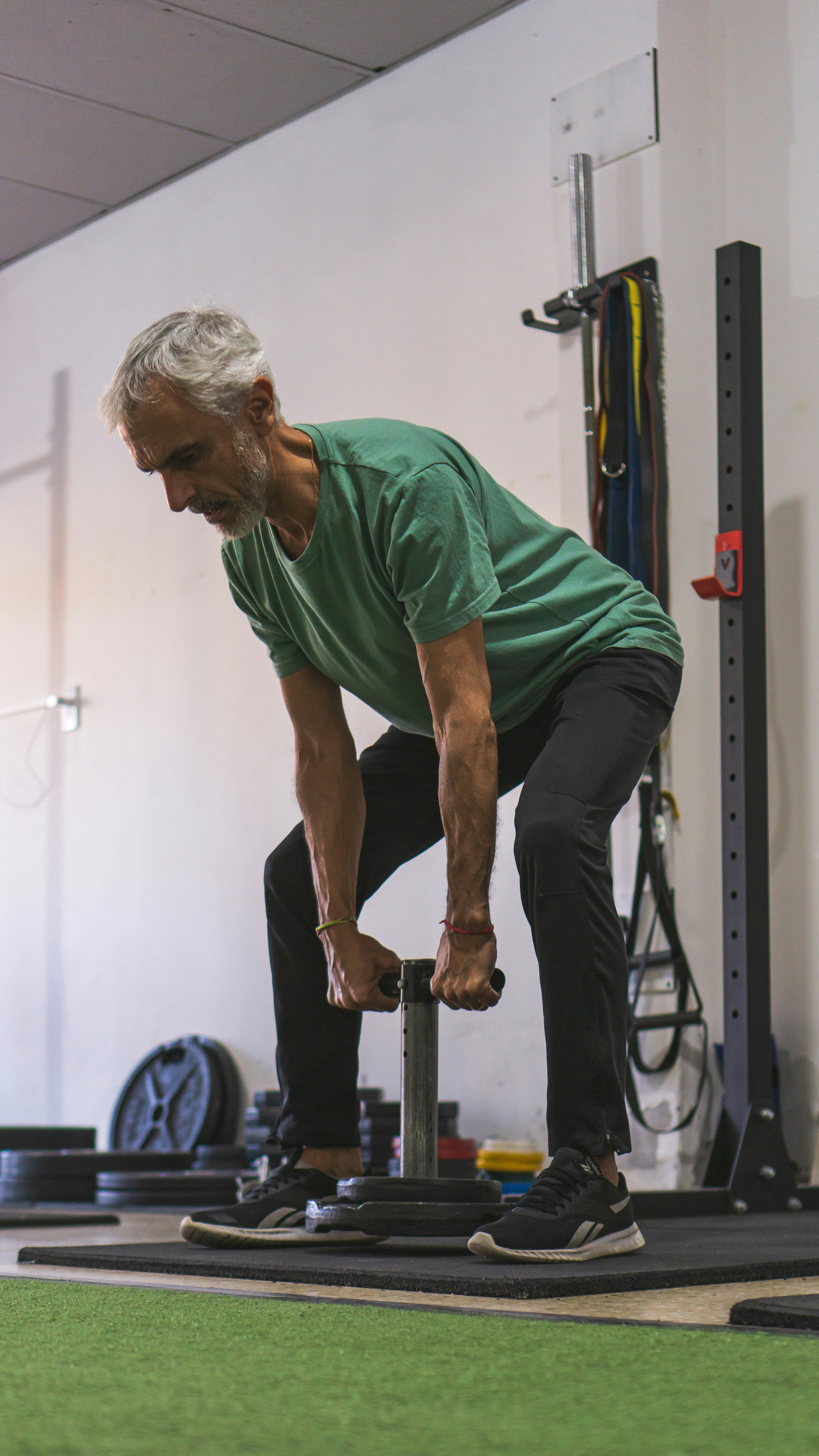
As individuals age, it is essential to recognize that the body undergoes a range of changes that can significantly impact strength training. One of the most notable changes is the gradual decline in muscle mass, a phenomenon known as sarcopenia. This condition becomes increasingly common after the age of 50, resulting in decreased strength and endurance. It is crucial for older adults to understand this change, as it may require adjustments to their strength training routines to compensate for the decrease in muscle tissue.
Another pivotal aspect to consider is the change in bone density that occurs with age. Osteopenia and osteoporosis are conditions characterized by a reduction in bone mass, elevating the risk of fractures and injuries during physical activity. Effective strength training can help combat these conditions; however, inappropriate exercises or excessive loads can exacerbate the risk of injury. Therefore, understanding one’s bone health and incorporating exercises that promote bone density, while avoiding high-impact movements, is vital.
Joint health is also a critical consideration as we age. Conditions such as arthritis or general wear and tear can impair joint function, leading to pain and stiffness during strength training. Ignoring the signals from joints can lead to further complications, possibly leading to long-term damage. Individuals should be aware of their pain thresholds and adjust their training accordingly, selecting exercises that maintain joint integrity without causing undue strain.
In conclusion, recognizing the body’s limitations is a fundamental step in effective strength training after 50. By acknowledging changes in muscle mass, bone density, and joint health, individuals can tailor their training approaches to not only enhance performance but also minimize the risk of injury. Fostering an awareness of these physical changes will allow for a more productive and safe strength training experience in later years.
Overtraining and Lack of Recovery
As individuals age, particularly after the age of 50, incorporating proper recovery into a strength training program becomes essential to overall health and fitness. One of the common mistakes made by those engaging in strength training during this stage of life is the tendency to overtrain due to a variety of factors including ambition, the desire to maintain fitness levels, and the misconception that more is better. Overtraining can lead to diminished performance, increased risk of injury, and could ultimately deter an individual from continuing an exercise regime.
Recognizing the signs of overtraining is vital for preventing setbacks in strength training. Symptoms may include persistent fatigue, increased irritability, disrupted sleep patterns, and decreased motivation to train. It is important for individuals over 50 to listen to their bodies and acknowledge when they need a break. Ignoring these signs can lead to more severe complications, hindering progress and leading to burnout.
To effectively incorporate rest days into a training routine, individuals should plan their workouts with recovery in mind. A structured program that allows for adequate rest can enhance muscle repair and growth, which is crucial as one ages. Strategies such as alternating muscle groups during workouts or implementing low-impact activities on recovery days can provide significantly beneficial outcomes. Additionally, it is recommended to schedule at least one or two full rest days each week, allowing muscles time to recover and adapt.
Acknowledge the importance of recovery as a fundamental component of strength training. Fostering a mindset that values rest can serve to maximize benefits from workouts, ensuring sustained enthusiasm and adherence to the program. Overall, avoiding overtraining and prioritizing rest will contribute significantly to long-term success in strength training for individuals over 50.
Neglecting Flexibility and Mobility Work
As individuals age, particularly after the age of 50, the importance of flexibility and mobility becomes increasingly evident, especially when engaging in strength training. Many people tend to overlook these key components, focusing solely on lifting weights or resistance training, which can lead to a range of problems. Neglecting flexibility can result in diminished range of motion, increased risk of injury, and decreased overall performance in strength training exercises.
Flexibility refers to the ability of muscles and tendons to lengthen, while mobility encompasses the movement capacity of joints. As we age, our bodies naturally experience stiffness and a reduction in elastic ability due to changes in connective tissue. Without adequate stretching and mobility work, muscles may become tight, leading to imbalances that can affect posture and overall physical well-being.
Integrating flexibility and mobility exercises into regular training routines can enhance performance and safety. Simple practices such as dynamic warm-ups before workouts and static stretching after exercising can aid in maintaining muscle elasticity and joint health. Incorporating exercises like yoga or Pilates, which emphasize flexibility and controlled movement, can also be beneficial. These practices do not merely support the physical aspect of strength training, but they also play a crucial role in improving balance, coordination, and overall functional movement.
Ultimately, addressing flexibility and mobility is essential for those engaging in strength training after 50. By prioritizing these elements, individuals can experience improved strength outcomes and a significant reduction in injury risks. It is advisable to incorporate dedicated time for stretching and mobility work into each training session to ensure a well-rounded approach to fitness and longevity.
Poor Nutrition and Hydration Choices
As individuals age, particularly after the age of 50, the significance of proper nutrition and hydration becomes increasingly apparent in supporting strength training efforts. A well-balanced diet is essential for optimizing performance, facilitating recovery, and enhancing overall health. However, many older adults make common dietary mistakes that can impede their strength training progress.
One of the most critical aspects of nutrition for those engaging in strength training is adequate protein intake. Protein plays a vital role in muscle repair and growth, which is particularly important as one’s muscle mass naturally declines with age. Older adults are often advised to consume higher amounts of protein compared to younger individuals to cater to this increased need. Failure to meet protein requirements may result in diminished strength gains and slower recovery times, hindering the effectiveness of training routines.
Another frequent error is suboptimal hydration. Water is crucial for various bodily functions, including nutrient transport and the maintenance of joint lubrication. Dehydration can lead to fatigue, decreased performance, and an increased risk of injury during strength training sessions. Older adults may not feel thirsty as frequently as younger individuals, leading to inadequate fluid intake. It is important for them to establish a consistent hydration regimen, drinking water regularly throughout the day and particularly around workout times.
Additionally, poor nutrition choices, such as high sugar or processed food consumption, can exacerbate these issues. A diet high in empty calories may leave individuals lacking essential vitamins and minerals, further impacting their ability to recover from workouts and maintain muscle mass. Thus, focusing on nutrient-dense whole foods, like fruits, vegetables, whole grains, and lean proteins, is crucial for optimal strength training outcomes.
In summary, appropriate nutrition and hydration are fundamental to maximizing strength training results for older adults. By addressing common dietary mistakes and ensuring a balanced intake of nutrients, individuals can greatly enhance their physical capacity, overall wellness, and quality of life.
