
The Joy of Dancing: A Gateway to Fitness and Fun for Seniors

The Health Benefits of Dancing
Dancing, a pleasurable activity enjoyed by many, extends far beyond mere entertainment, especially for seniors. One of the primary health benefits of dancing is its positive impact on cardiovascular health. Engaging in dance regularly can enhance heart function, improve circulation, and contribute to overall heart health. This is particularly crucial for older adults, as cardiovascular disease is a leading health concern within this age group.
Additionally, dancing aids in strengthening bones and muscles, which declines with age. Weight-bearing dance styles can improve bone density and reduce the risk of osteoporosis, while the rhythmic movements help enhance muscle strength and flexibility. This combination plays a significant role in maintaining mobility and reducing the likelihood of falls, a common concern among seniors.
Beyond the physical advantages, dancing also provides an array of mental health benefits. It stimulates the brain, helping to improve cognitive function and memory, and can even reduce the risk of cognitive decline due to age. Participating in dance can promote neuroplasticity, allowing the brain to form new connections, which is particularly beneficial for seniors hoping to maintain their mental acuity. Furthermore, the social aspect of dancing can significantly enhance emotional well-being by fostering connections and reducing feelings of loneliness and isolation.
Moreover, dancing is an effective way to burn calories and improve metabolism, which is essential for weight management. As seniors participate in various dance forms, they can enjoy a fun approach to staying active. This activity not only aids in muscle tone development but also contributes to an overall fit lifestyle.
In summary, the health benefits of dancing for seniors are vast, encompassing physical vitality, neurological enhancement, and emotional upliftment. It serves as a multifaceted gateway to maintaining fitness while enjoying the joy of rhythm and movement.
Types of Dance Suitable for All Levels
Dance is a universal language that transcends age, ability, and fitness levels. For seniors, engaging in dance can serve not only as an enjoyable pastime but also as a means to enhance physical health and well-being. There are several dance styles that cater to varying physical capabilities and preferences, making it accessible for everyone.
One of the most gentle forms of dance is slow dancing, which often involves simple, flowing movements. This style allows individuals to enjoy the music while improving their coordination and balance without requiring strenuous effort. It is especially beneficial for those who may have limited mobility or are new to dance.
Wheelchair dancing is another inclusive dance style that helps individuals with mobility challenges to actively participate. This form of dance not only emphasizes rhythm and connection with a partner but also promotes upper body strength and engagement. Wheelchair dance, often seen in both competitive and recreational settings, showcases the versatility and adaptability of dance.
On the more vigorous side, salsa offers a lively and energetic way to exercise while having fun. This dance style incorporates fast-paced movements that can enhance cardiovascular fitness, coordination, and social interaction. Seniors who are in good health and looking to increase their activity level may find salsa to be an exhilarating option.
Lastly, ballroom dancing combines elegance with physical activity. Styles such as waltz and tango not only improve one’s posture and balance but also serve as a fantastic way to socialize. The structured nature of ballroom dance makes it suitable for all fitness levels, as dancers can start with basic steps and gradually learn more complex movements.
In embracing any of these variations of dance, individuals are encouraged to start with basic movements, ensuring they feel comfortable and confident. Gradually increasing the complexity of dance routines can lead to improved fitness levels and, ultimately, a more enjoyable dance experience.
Where to Dance: Classes and Resources
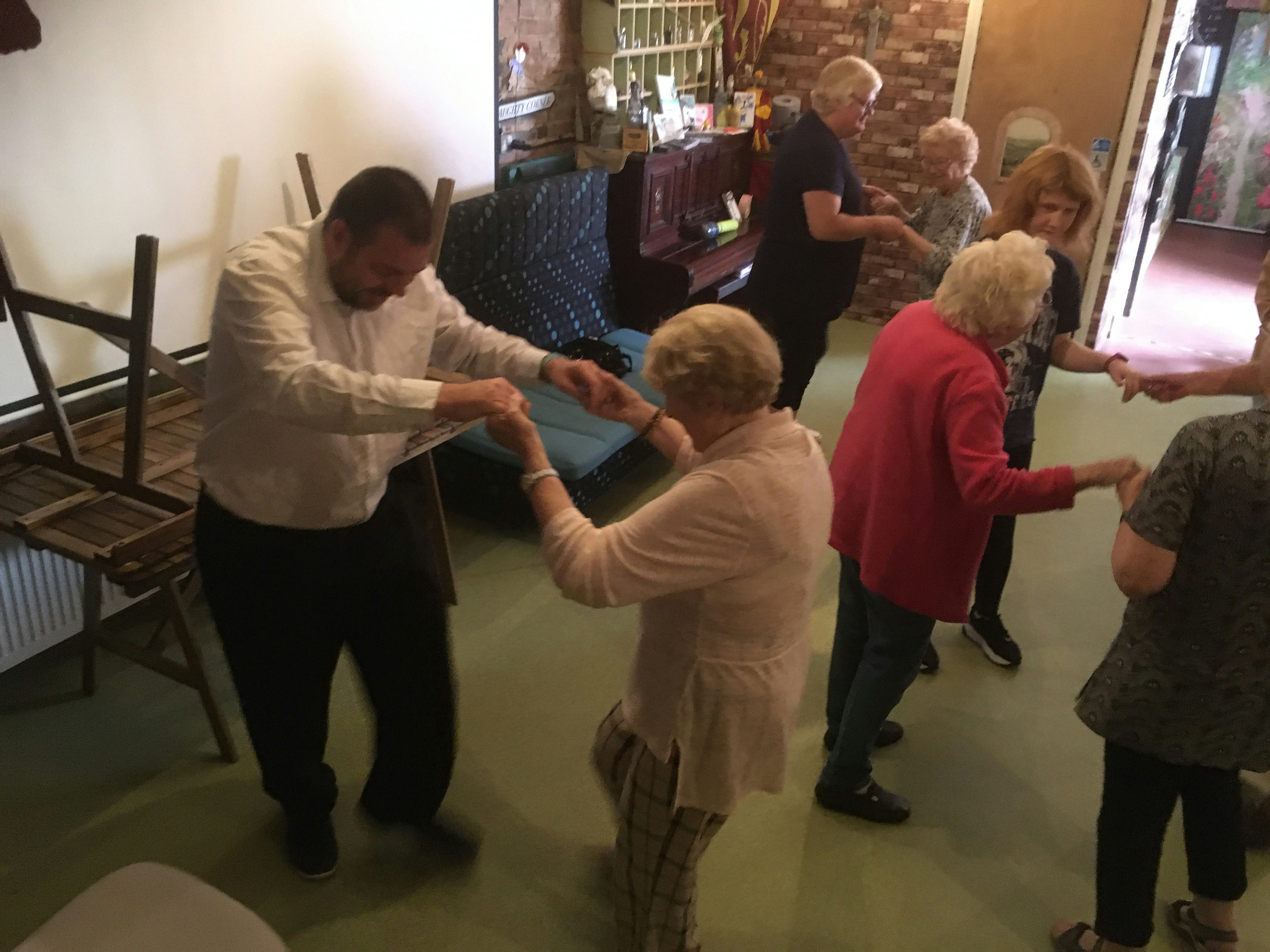
Dancing is an enjoyable way for seniors to stay active and healthy, and there are numerous opportunities for them to engage in this wonderful activity. Community centers often offer various dance classes tailored for seniors, ranging from ballroom to line dancing. Such classes not only provide instruction but also foster a sense of community among participants, allowing seniors to make new friends while improving their physical health.
In addition to community centers, local dance studios may also host classes specifically designed for older adults, accommodating different skill levels and styles. Some colleges and universities offer programs for seniors, allowing them to participate in dance activities led by experienced instructors. Gyms frequently integrate dance modules into their schedules, like Zumba or aerobic dance, which can be highly beneficial and enjoyable for seniors interested in fitness routines.
For those who prefer to dance in the comfort of their own homes, there are plenty of alternative options available. At-home dance videos and online tutorials can be excellent resources. Platforms such as YouTube have a vast array of instructional videos that cater to seniors’ abilities and preferences. This flexibility allows seniors to engage in dance whenever it fits into their schedules without requiring travel.
Moreover, many communities host social dance events aimed specifically at seniors, providing a fun atmosphere to engage with others who share similar interests. These events often include live music and refreshments, further promoting a joyful social experience. Individuals can check with local community boards, newspapers, or social media groups to find such opportunities. Connecting with local dance groups and clubs can also enhance the social aspect of dancing, making it an enjoyable hobby.
FAQs About Dancing for Seniors
Dancing is an enjoyable and beneficial activity for seniors, but it may also raise certain questions regarding its safety and feasibility. One common concern among seniors is whether dancing poses a risk of injury. In general, when practiced with care, dancing can be a safe form of exercise. It is advisable for seniors to engage in low-impact styles, such as ballroom or line dancing, which minimizes strain on joints while still promoting movement.
For individuals who are new to dancing, starting gradually is key. Beginners should take lessons from experienced instructors who can guide them through foundational steps at a comfortable pace. Many community centers, gyms, and dance studios offer classes tailored specifically for seniors, allowing them to learn in a supportive environment.
A frequent barrier for many seniors is shyness or self-consciousness about dancing in public settings. To overcome this, it can be helpful to practice at home or with a trusted friend before joining a class. Engaging in group activities not only helps to build confidence but also encourages social interaction, which is crucial for mental well-being.
Before embarking on a new physical activity such as dancing, seniors should consult healthcare professionals, particularly if they have pre-existing medical conditions. A healthcare provider can help assess risks and offer personalized recommendations for a safe dance experience.
Lastly, finding suitable partners or joining dance classes is easily achievable. Seniors can ask family members, friends, or local seniors’ groups to partner with them. Additionally, many dance studios and community organizations offer structured classes where participants can meet others with similar interests. Connecting with fellow dancers can foster camaraderie, enhancing the overall enjoyment of dancing.