
The Importance of Strength Training After 50
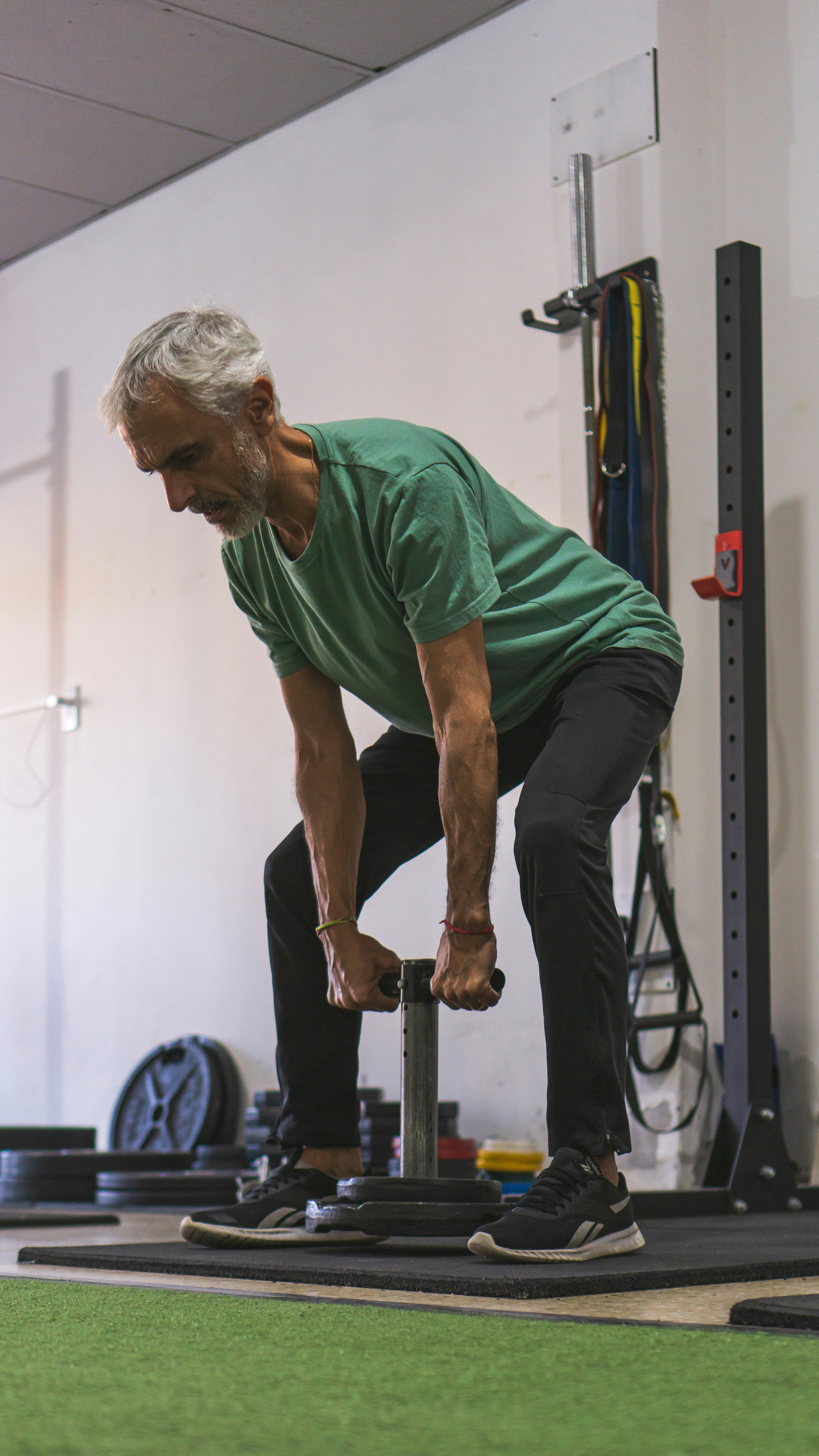
Understanding Strength Training and Its Benefits
Strength training, often referred to as resistance training, is a physical exercise strategy that focuses on improving strength and endurance by exercising specific muscle groups against resistance. This resistance can come from various sources, including weights, resistance bands, or even a person’s own body weight. For individuals over the age of 50, engaging in a structured strength training program holds significant importance due to its numerous health benefits.
One of the most notable advantages of strength training for older adults is its role in enhancing muscle mass. As we age, muscle mass naturally declines — a process known as sarcopenia. Strength training helps counteract this decline by stimulating muscle hypertrophy, which can lead to improved strength, balance, and mobility. This not only enhances athletic performance but also aids in the prevention of falls, a common concern for seniors.
Additionally, strength training plays a critical role in maintaining and improving bone density. Osteoporosis is a condition characterized by weakened bones, which is particularly prevalent in older adults. By engaging in regular resistance training, individuals can reinforce bone structure and density, making bones less susceptible to fractures. The mechanical stresses of resistance exercises encourage bone growth and help mitigate the risk of deteriorating bone health.
Beyond physical gains, strength training contributes significantly to overall well-being. Studies have shown that regular participation in strength training can lead to improved mental health and reduced levels of anxiety and depression. Furthermore, it promotes metabolic health by enhancing insulin sensitivity, which is vital for managing blood sugar levels, especially in individuals at risk for type 2 diabetes.
In conclusion, the multifaceted benefits of strength training, particularly for those over 50, cannot be overstated. From improved muscle mass and enhanced bone density to overall health improvements, strength training stands as a vital component of a healthy aging process, enabling older adults to maintain independence and enhance their quality of life.
Physical Changes After 50 and the Need for Strength Training
As individuals reach the age of 50, various physiological changes begin to emerge, playing a vital role in shaping overall health and physical capability. One significant change is the gradual loss of muscle mass, known as sarcopenia. This condition can lead to notable reductions in strength and endurance, making everyday activities more challenging. Research suggests that, starting in their middle ages, individuals can lose around 1% to 2% of muscle mass per year if they do not engage in regular strength training.
Additionally, decreased bone density often accompanies the natural aging process. Osteoporosis, marked by weak and brittle bones, poses a heightened risk of fractures and injuries. This change is particularly pronounced in women post-menopause and underscores the critical need for strength training activities focused on enhancing bone health. Resistance exercises stimulate bone formation and help in maintaining healthier bone density, effectively mitigating the risks associated with osteoporosis.
Another important aspect to consider is the change in metabolism that occurs with aging. Metabolism tends to slow down, which can lead to weight gain and increased difficulty in losing excess pounds. Strength training plays a key role in boosting metabolic rate, even after the workout has concluded. By building muscle mass through resistance exercises, older adults can enhance their overall metabolic functioning, leading to greater calorie burning throughout the day.
Therefore, it is essential for individuals over 50 to adopt a well-rounded strength training regimen. Incorporating resistance exercises not only counters the physiological effects of aging but also improves overall vitality, mobility, and quality of life. The benefits go beyond physical appearance; they impact mental well-being and contribute to a healthier, more active lifestyle.
How to Start Strength Training Safely After 50
Beginning a strength training regimen later in life can offer significant benefits, including improved muscle strength, enhanced bone density, and better overall health. However, it is crucial to approach this undertaking with caution and proper planning.
The first step in starting strength training safely after age 50 is to consult a healthcare professional. This step is essential to ensure that you do not have any underlying medical conditions that might hamper your ability to engage in physical activity safely. A doctor or a physical therapist can provide tailored advice and recommend appropriate exercises based on individual health considerations.
After gaining medical clearance, selecting suitable exercises is critical. Beginners should focus on low-impact movements that are easy to learn yet effective. Options such as bodyweight exercises, resistance bands, and light free weights can be excellent starting points. Prioritize functional exercises that mimic daily activities, like squats and overhead presses, to enhance overall strength and mobility.
Using correct form during exercises cannot be overstated. Poor technique may lead to injuries, especially as the body ages. It is advisable to work with a qualified trainer, particularly for initial sessions, to master proper form and technique. Additionally, some community centers or gyms offer beginner classes tailored specifically for older adults, which provide a safe environment to learn and practice.
Setting realistic and attainable goals is also vital to maintaining motivation and ensuring long-term success. Start with modest objectives, such as performing strength exercises two to three times per week, gradually increasing intensity and difficulty based on personal comfort and progress. Tracking your progress helps reinforce commitment and allows for adjustments as needed.
In summary, starting strength training after 50 can be a rewarding journey when approached with the appropriate precautions. By consulting health professionals, selecting the right exercises, focusing on form, and setting realistic goals, individuals can ensure a safe and effective strength training routine that promotes health and well-being well into later life.
Success Stories and Motivational Insights
As one delves deeper into the realm of strength training after the age of 50, the narratives of those who have undertaken this empowering journey can offer not only insights but also motivation. Numerous individuals have shared their transformative experiences, shedding light on the profound benefits of engaging in a structured strength training regimen.
Take, for example, the story of Linda, a 62-year-old retired school teacher who began strength training two years ago. Initially apprehensive about starting a new exercise program, she faced challenges related to her joint flexibility and stamina. However, with the guidance of a personal trainer, Linda embraced a program designed specifically for her needs. Over time, she not only improved her muscle strength but also enhanced her balance and coordination. Linda recalls how strength training boosted her confidence, enabling her to engage in activities such as hiking and traveling with friends—experiences she had previously thought were beyond her reach.
Similarly, James, a 70-year-old former accountant, discovered strength training as a means to combat osteoporosis. After sustaining a mild fracture, James was determined to regain his strength and protect his health. He started with bodyweight exercises and gradually progressed to weights. This commitment resulted in significant muscle gains and improved bone density, as confirmed by his doctor. James’s journey illustrates the importance of resilience; he emphasizes how setting small, achievable goals kept him motivated and on track, showcasing how embarking on a strength training program may lead to a clearer vision of one’s capabilities, regardless of age.
Such stories exemplify the remarkable transformations that strength training can initiate in the lives of individuals over 50. Whether it’s improving physical health, enhancing emotional well-being, or fostering a sense of community, each journey highlights the profound impact of commitment to personal health. In conclusion, these inspiring narratives not only validate the benefits of strength training but also encourage others within this age bracket to take a leap of faith and prioritize their strength training journey.
