

Swim Your Way to Slimness, Fitness, and Health

The Benefits of Swimming for Fitness
Swimming is an exceptional form of exercise that offers a multitude of benefits for individuals seeking improved fitness. One of the primary advantages of swimming is its low-impact nature, making it a suitable workout option for individuals of all ages and fitness levels. Unlike some high-impact activities, swimming ensures minimal stress on the joints, allowing for a comprehensive workout without the risk of injury. This quality makes it particularly appealing for those recovering from injuries or those with conditions like arthritis.
Engaging in swimming can provide a full-body workout that activates multiple major muscle groups simultaneously. When swimming, the arms, legs, core, and back all contribute to generating movement through the water, resulting in balanced muscle development. As swimmers propel themselves through water, they utilize different strokes, each targeting specific muscle groups while promoting overall body strength.
The unique properties of water add another dimension to swimming workouts. Water resistance is significantly greater than air resistance, which means that every movement requires more effort compared to dry-land exercises. This attribute not only aids in building muscle strength but also enhances endurance, as swimmers must continually work against the resistance of the water. Consequently, swimming is not merely about moving; it is also about nurturing strength and endurance, contributing to cardiovascular health and overall physical fitness.
Additionally, the rhythmic nature of swimming can also have mental benefits. The repeated motions and the soothing properties of water can lead to reduced stress and improved mental well-being. Thus, swimming serves as a therapeutic exercise that supports not only physical fitness but also emotional health.
In summary, swimming is an excellent workout option that combines the benefits of low-impact exercise with significant strength and endurance building potential. Its holistic approach makes it a favored choice for those looking to enhance their fitness while minimizing the risk of injury.
Getting Started with Swimming: A Beginner’s Guide
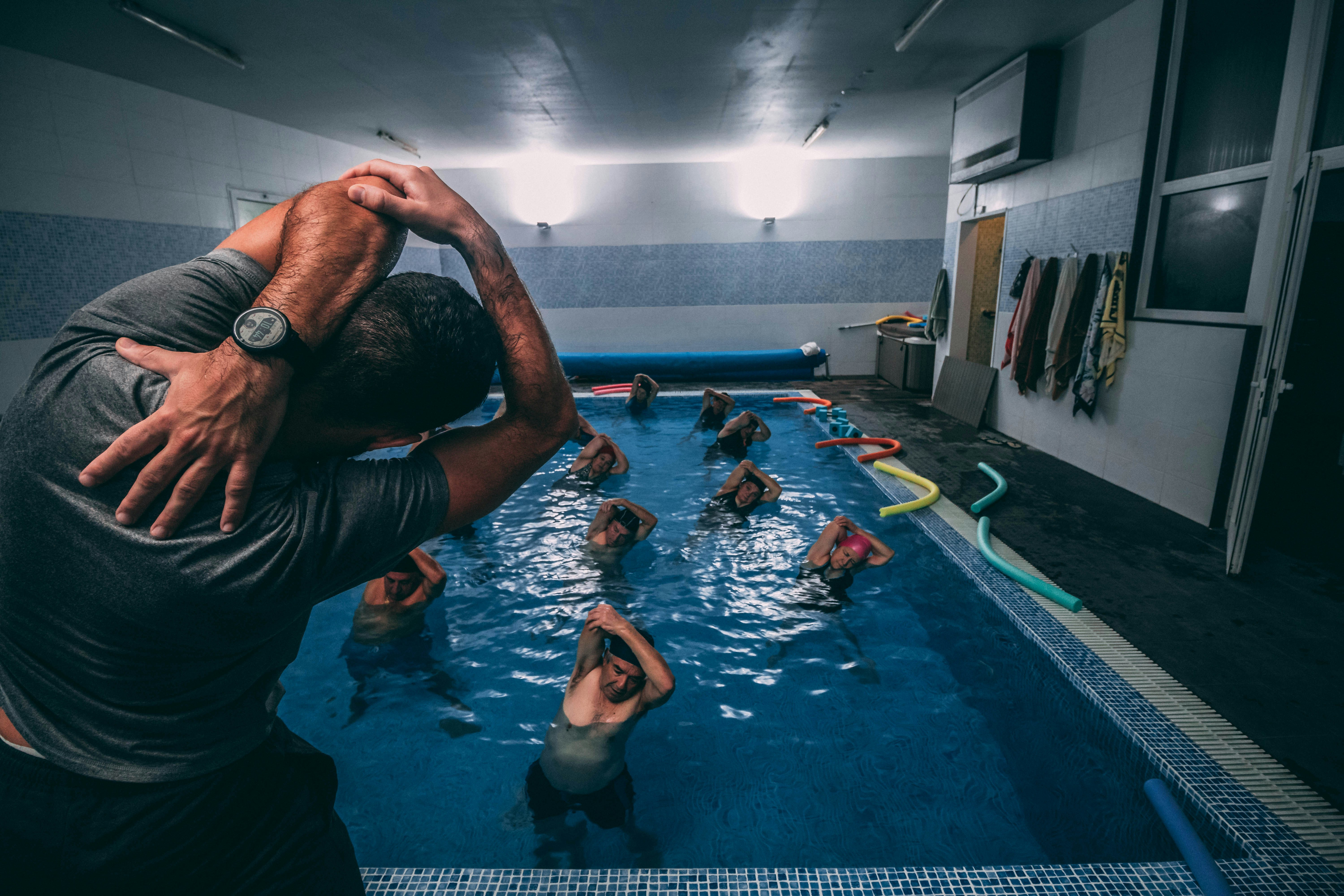
Taking the plunge into swimming can be an enriching journey, providing numerous benefits to health and fitness. For those who are new to swimming or considering it as a form of exercise, understanding where to start is crucial. First and foremost, seek out local swimming classes or programs tailored for beginners. Many community centers and gyms offer courses specifically designed for individuals without prior experience. These classes not only teach the fundamentals of swimming but also create a supportive environment where you can share your progress with others who are starting from scratch.
When joining a swimming class, it’s essential to remember that everyone begins at different skill levels. You are not alone in your beginner status; many individuals are on a similar path and face the same challenges. Connecting with fellow beginners can foster camaraderie and motivation, making your swimming experience more enjoyable and less daunting. As you embark on this journey, it’s advisable to communicate with your instructor openly about your comfort level and concerns.
To ensure consistent progress, establish a swim schedule that aligns with your personal lifestyle. For example, aim to swim two to three times a week. Consistency will not only help you build endurance but also enhance your skill set. As you progress, set realistic goals for yourself, such as increasing the duration of your swims or mastering specific strokes. Completing small tasks can significantly boost your confidence and keep you motivated. Remember, swimming should be an enjoyable experience that promotes physical fitness and overall well-being.
In closing, as you take your first steps into the world of swimming, approach it with patience and enthusiasm. Embrace the learning process, and celebrate your achievements, no matter how small. Soon, you will find yourself swimming toward your goals of slimness, fitness, and better health.
Creating a Sustainable Swimming Routine
Developing a consistent swimming routine is essential for achieving lasting fitness, slimness, and overall health. To begin, it is crucial to establish a regular schedule. Aim for at least three swim sessions per week, as this frequency will not only improve your stamina but also help you form a habit. Consider your weekly commitments and look for time slots where swimming can be easily integrated without causing stress.
To incorporate swimming into a busy schedule, prioritize it just as you would any important appointment. Block out specific times in your calendar, and treat these swimming sessions as non-negotiable. Whether it’s early morning sessions before work or evening swims after your day’s tasks, consistency will foster routine. Moreover, set reminders on your phone or enlist a swimming buddy to help keep you accountable.
As you become more accustomed to your routine, gradually increase both the duration and intensity of your swim workouts. Start with manageable lengths that accommodate your current fitness level, and then progressively build up. For instance, if you initially swim for 20 minutes, consider adding five minutes every week. You may also enhance your swimming experience by incorporating various strokes, drills, or intervals, which not only keeps things interesting but also challenges your body in new ways.
Lastly, staying motivated is key to your progress. Track your achievements, whether it’s improved lap times or increased swim duration, and celebrate small victories along the way. Joining a swim club or community can also provide support and keep you inspired. By establishing a solid foundation and committing to regular improvements, you will be well on your way to reaping the countless benefits of swimming as part of your fitness regimen.
FAQs About Swimming and Fitness
Swimming is often heralded as one of the most effective forms of exercise, combining cardiovascular benefits with muscle strengthening elements. However, many individuals, especially beginners, may have several questions regarding how to approach swimming as a fitness regime.
One common inquiry is about the best swimming techniques for novices. The primary aspect to focus on is body position. Maintaining a streamlined form helps minimize resistance in the water. Practicing simple strokes, such as the freestyle and breaststroke, under the guidance of an instructor can aid in developing a proper technique. Moreover, ensuring adequate breathing rhythms can enhance endurance and overall performance.
Another prevalent concern relates to overcoming fears of the water. It is imperative to foster a comfortable environment, possibly starting with shallow water to build confidence. Engaging in breathing exercises and gradually acclimating to deep water, often accompanied by a trained professional, can diminish apprehension significantly.
In terms of injury prevention, it is essential to warm up adequately before swimming and incorporate stretching exercises to enhance flexibility. Using proper swim gear, such as goggles and cap, can also contribute to a more enjoyable and injury-free experience. Swimmers should listen to their bodies; if pain persists, it is wise to consult a healthcare provider.
Regarding frequency, swimming three to four times a week can yield optimal results. This regimen allows the body to adapt and recover adequately while providing enough intensity to promote fitness gains. Each session can be tailored to focus on different swimming strokes or techniques, ensuring balanced development.