
Stronger, More Flexible Wrists: Mobility Exercises for Lifting, Push-Ups, and Everyday Movement
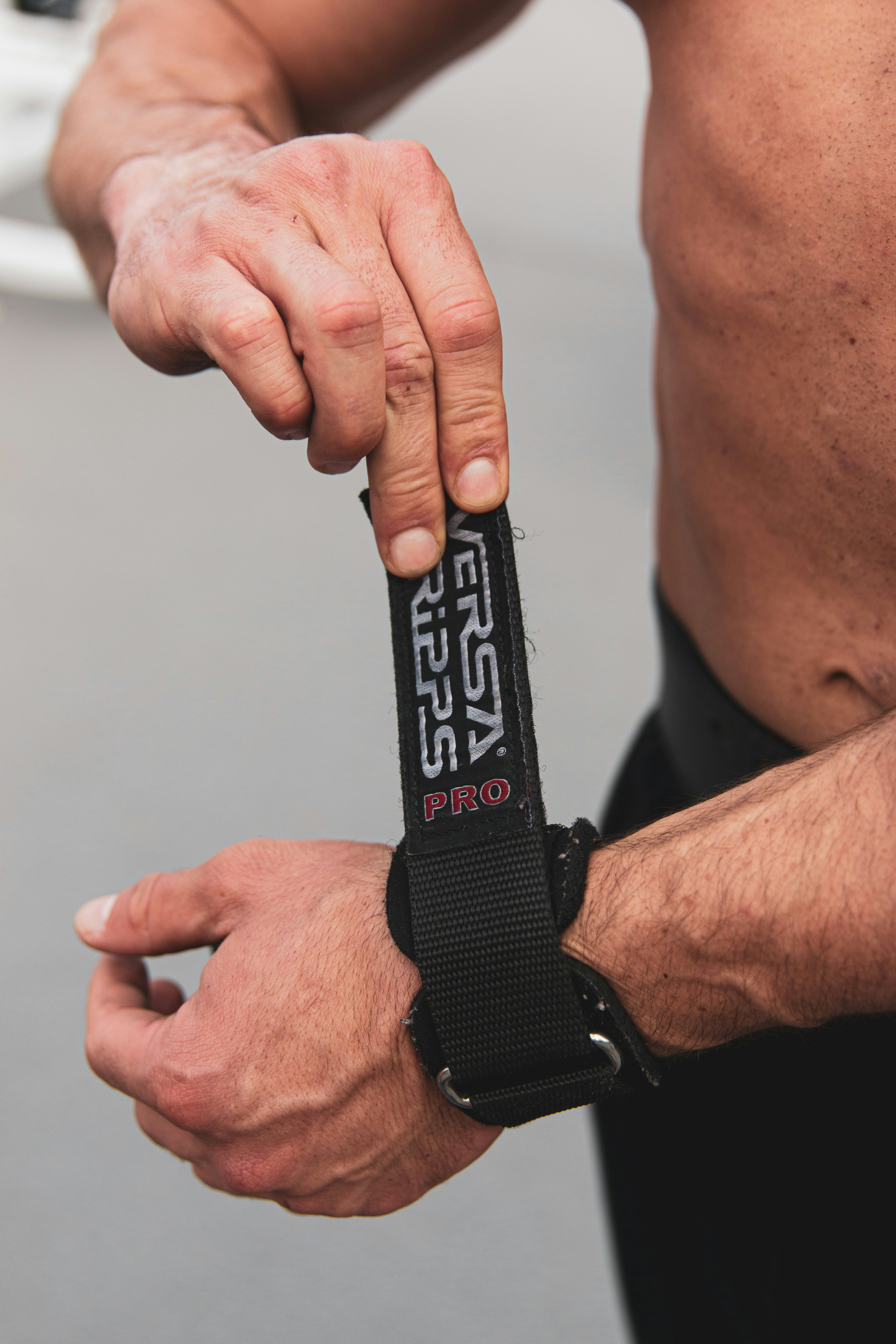
Wrist mobility is the ability to move comfortably and with control through the joint’s available ranges. It includes flexion and extension, side-to-side deviation, and rotation of the forearm and hand. These movements support both exercise technique and ordinary function. During push-ups, for example, the wrists often tolerate a loaded extension position, while front-rack exercises may require extension and comfortable positioning beneath a bar. Pressing and pulling generally demand neutral-wrist control, and gripping or carrying weights requires the wrist to remain aligned as force passes through the hand and forearm.
The same qualities matter outside the gym. Typing, opening jars, using tools, lifting household objects, and pushing up from the floor all require varying combinations of movement, strength, and control. Mobility is not identical to flexibility: flexibility usually describes how far a joint or tissue can be moved, whereas mobility includes the ability to actively use that range. It is also different from strength, stability, and pain-free control, although these qualities interact. When motion is limited, a person may compensate by changing finger pressure, grip position, elbow angle, or shoulder movement. More stretching is not automatically better, particularly when it produces discomfort or reduces control.
Mobility exercises may improve short-term comfort and usable range, but they are not a universal solution for wrist symptoms. Persistent pain, swelling, numbness, weakness, or reduced function should be assessed by a qualified healthcare professional. Wrist problems can have multiple causes and should not be self-diagnosed. For general health information, consult the American Academy of Orthopaedic Surgeons’ Wrist Sprains page at https://orthoinfo.aaos.org/en/diseases–conditions/wrist-sprains/ and its Hand and Wrist Conditioning Program at https://orthoinfo.aaos.org/en/recovery/hand-and-wrist-conditioning-program/.
A practical approach is to warm up first, move gradually, avoid forcing end ranges, and train both wrists rather than focusing only on the side that feels restricted. Exercises should match the intended task: loaded extension for floor-based movements, neutral control for pressing and pulling, and coordinated gripping for carrying. Consistent, controlled practice is more useful than aggressive stretching, with progress judged by comfortable movement and improved function.
Begin with five to ten minutes of general movement, such as brisk walking and shoulder circles, then perform one or two sets of pain-free wrist motions. Adjust dosage to your training history, daily demands, and symptoms. Keep every movement smooth and active; do not bounce or force body weight into a stretch.
For supported flexion and extension, rest your forearm on a table with the hand beyond the edge, palm down. Slowly lower the hand, then lift it toward the ceiling; turn the palm up to repeat. Breathe normally and use a two-second movement in each direction for 8–12 repetitions. A mild, even stretch is normal. For radial and ulnar deviation, keep the forearm supported and move the thumb side of the hand toward, then away from, the forearm’s centerline. Perform 8–12 slow repetitions without twisting the elbow.
Make relaxed wrist circles in both directions, using the largest comfortable circle, for 5–8 repetitions each way. Keep the forearm still and breathe steadily. With the elbow tucked against your side at 90 degrees, rotate the forearm so the palm faces up, then down, for 8–12 controlled repetitions; move only through a comfortable range. For prayer and reverse-prayer stretches, place palms together or backs of hands together at the chest. Gently lower or raise the hands until a mild stretch appears, holding 15–20 seconds. Stop before pressure becomes painful.
For loading, place fingertips or the palm against a wall or table and gradually transfer minimal pressure through the hand, maintaining relaxed breathing for 10–20 seconds. Begin upright against a wall; use a higher surface or less pressure if extended-wrist loading is uncomfortable. Finish with active fist-opening drills: slowly spread the fingers from a relaxed open hand, then close into a controlled, non-clenched grip for 10–15 repetitions.
Beginners may use smaller ranges, fewer repetitions, or a higher support. Progress by increasing range, control, repetitions, or light resistance—not by forcing a deeper stretch. Stop for sharp or increasing pain, tingling, numbness, unusual weakness, or lingering aggravation.
Wrist position can determine how efficiently force travels between the hand and forearm during lifting. In front-rack work, overhead pressing, and dumbbell pressing, aim for a stacked wrist, with the knuckles generally aligned over the forearm rather than allowing the hand to fold backward or sideways. Rows and deadlifts usually benefit from a neutral wrist and a firm, consistent grip. Kettlebell exercises may require more adjustment as the handle moves, so forearm rotation should be controlled rather than forced. Light bar or dowel practice, unloaded front-rack holds, and brief wrist-position drills can help reinforce these patterns before adding substantial resistance.
Controlled wrist extension pulses against a wall can prepare the joint for pressing positions, provided they remain comfortable and do not provoke sharp pain. For movements involving changing hand positions, add gentle forearm rotation through a manageable range. During every lift, keep the forearm aligned with the hand, avoid sudden loading, and reduce the weight or range of motion when technique deteriorates. A strong grip is useful, but excessive squeezing should not compensate for poor alignment or limited control.
Push-ups place the wrist in extension, so progression should match current tolerance. Begin with wall push-ups, then move to incline push-ups using stable handles or dumbbells, followed by elevated push-ups and quadruped rocking. Floor push-ups can be introduced when these stages are comfortable and controlled. Push-up handles, parallettes, fists, or neutral-grip dumbbells may reduce wrist extension, but they change shoulder and hand mechanics and should be introduced gradually on secure surfaces.
Planks, burpees, crawling, and floor transfers can be developed through gradual weight shifting and rocking rather than immediate exposure to end-range extension. Spread the fingers, distribute pressure across the palm when appropriate, and shift only as far as alignment can be maintained. Short holds and partial ranges are often more useful than forcing a deep position. Wrist mobility is only one contributor to comfort: grip strength, forearm endurance, shoulder positioning, recovery, and sensible load management also influence performance. Progress when control remains consistent, not simply when a calendar or program demands more volume.
A sustainable weekly routine should balance preparation, practice, and recovery. Before training, spend a few minutes on active mobility, using controlled wrist circles, gentle flexion and extension, and relaxed forearm rotations. Begin with one or two rounds of several movements rather than pursuing a maximum stretch. The aim is to make movement feel smoother and more comfortable before activity.
Use task-specific preparation before lifting or performing push-ups. For pressing, gradually rehearse wrist extension and weight-bearing with an easy variation, such as an elevated push-up. Before front-rack lifting, practice the required wrist, elbow, and shoulder positions with a light load or an unloaded bar. After training, or on recovery days, use gentle range-of-motion exercises without forcing discomfort. Track comfort, available range, grip tolerance, and how the wrists respond the next day.
After several weeks, reassess progress by comparing comfortable wrist extension, front-rack positioning, push-up tolerance, grip comfort, and everyday tasks such as opening containers or carrying objects. Improvements should be judged by function and consistency, not by an arbitrary flexibility target.
If a mild flare-up occurs, temporarily reduce the load, range, repetitions, and weight-bearing demands. Continue comfortable movement if tolerated, while avoiding exercises that increase symptoms during the session or afterward. Seek medical evaluation after a recent fall or impact, visible deformity, significant swelling or bruising, severe or worsening pain, inability to move or grip, persistent numbness or tingling, loss of strength, or symptoms that fail to improve. Anyone recovering from a fracture, surgery, dislocation, inflammatory condition, or diagnosed nerve problem should follow individualized medical or physical-therapy advice instead of a generic routine.
References
The American Academy of Orthopaedic Surgeons, “Hand and Wrist Conditioning Program,” https://orthoinfo.aaos.org/en/recovery/hand-and-wrist-conditioning-program/, and “Wrist Sprains,” https://orthoinfo.aaos.org/en/diseases–conditions/wrist-sprains/, support general conditioning and injury-warning guidance. This article is educational and does not replace personalized clinical assessment.
