
Strength Training Guidelines for People Over 50

Understanding the Importance of Strength Training After 50
As individuals reach the age of 50 and beyond, they inevitably encounter a variety of physiological changes that can significantly impact their quality of life. One of the most pronounced changes is the gradual loss of muscle mass, known as sarcopenia, which can begin as early as age 30. By incorporating strength training into their routines, older adults can combat this muscle deterioration, thereby enhancing their strength and functional capabilities.
Additionally, aging often leads to decreased bone density, increasing the risk of fractures and osteoporosis. Engaging in strength training not only stimulates the muscles but also promotes bone health by enhancing bone density. This process occurs through the mechanical stress that weight-bearing exercises place on bones, which in turn increases bone strength and reduces the risk of injury.
The benefits of strength training extend beyond physical health. Regular participation in resistance exercises aids in improving mobility and balance, critical factors in preventing falls, which are a leading cause of injury among older adults. Improved balance and coordination make daily activities, such as climbing stairs and walking, easier and safer.
Moreover, strength training has been linked to enhanced mental well-being. As older adults build physical strength, they often experience increased confidence, leading to a more active lifestyle. This increased activity level contributes to better mental health outcomes, such as reduced symptoms of anxiety and depression.
In conclusion, strength training plays a vital role for those over 50 by addressing age-related muscle loss and decreased bone density. By engaging in regular strength training, individuals can greatly improve their mobility, balance, and overall quality of life, proving that it is never too late to prioritize fitness and health.
Recommended Frequency of Strength Training
For individuals over 50, engaging in strength training is essential for maintaining muscle mass, improving balance, and promoting overall health. Health organizations such as the American College of Sports Medicine (ACSM) and the Centers for Disease Control and Prevention (CDC) recommend that older adults incorporate strength training into their weekly routine.
Specifically, it is advised that individuals over the age of 50 participate in strength training exercises at least two days per week. This frequency allows for adequate recovery time between sessions, which is particularly important as recovery may take longer for older adults compared to younger individuals. Each strength training session should target all major muscle groups, including the legs, hips, back, abdomen, chest, shoulders, and arms.
The duration of each strength training session can vary based on personal fitness levels and health conditions. Generally, sessions lasting 30 to 60 minutes are recommended, but this can be adjusted according to individual preferences and capabilities. It is crucial for older adults to listen to their bodies, and if they feel fatigued, they should consider modifying the intensity or duration of their workouts.
Moreover, the development of a personalized strength training plan is vital. Consulting with a fitness professional who understands the specific needs of individuals over 50 can provide tailored recommendations. This could include variations in exercise types, rest intervals, and progression strategies to accommodate varying fitness levels and any pre-existing health issues.
In conclusion, the recommended frequency for strength training among individuals over 50 is at least two days per week, encompassing all major muscle groups within each session. Personalization, alongside adherence to both national and international guidelines, will ensure a safe and effective strength training regimen that promotes physical health and well-being in older adults.
Types of Strength Training Exercises Suitable for Over 50s
Strength training is an essential component of fitness for individuals over 50, as it aids in maintaining muscle mass, improving bone density, and enhancing overall functional ability. There are various types of strength training exercises that can be effectively integrated into a fitness regimen, ensuring that they are both safe and beneficial for older adults.
Bodyweight exercises are an excellent starting point for many seniors. These exercises utilize one’s own weight as resistance, making them easily adaptable and low-impact. Common bodyweight exercises include squats, modified push-ups, and lunges. They can be performed anywhere and require no special equipment, which adds to their accessibility.
Resistance bands are another effective tool for strength training. They come in various resistance levels and can be used to target different muscle groups. Exercises such as banded rows, chest presses, and leg extensions allow for a full-body workout while minimizing the risk of injury. Resistance bands also promote proper form, making them suitable for those new to strength training.
For those comfortable with an increase in resistance, free weights can be utilized. Exercises such as dumbbell bicep curls, tricep extensions, and shoulder presses offer a higher intensity workout that can help in building strength. It is crucial to start with lighter weights and focus on executing each movement with proper technique to prevent strain.
Machine-based workouts are also beneficial for seniors, as they often provide guided motion which can enhance stability and support. Gyms typically feature machines designed to work specific muscle groups, such as leg presses and lat pull-downs, which can be useful for those who may have limited experience with strength training. The selection of appropriate exercises should always respect personal limitations, and modifications can be made as needed to ensure safety.
By integrating these diverse types of strength training exercises into a regular fitness routine, individuals over 50 can cultivate strength effectively while fostering continued health and mobility into their later years.
Safety Tips and Considerations for Strength Training After 50
Engaging in strength training after the age of 50 can be a rewarding and beneficial undertaking, provided specific safety considerations are taken into account. As individuals age, the body undergoes various physiological changes that may influence their training regimen. Hence, it becomes paramount to prioritize safety while enjoying the advantages of strength training.
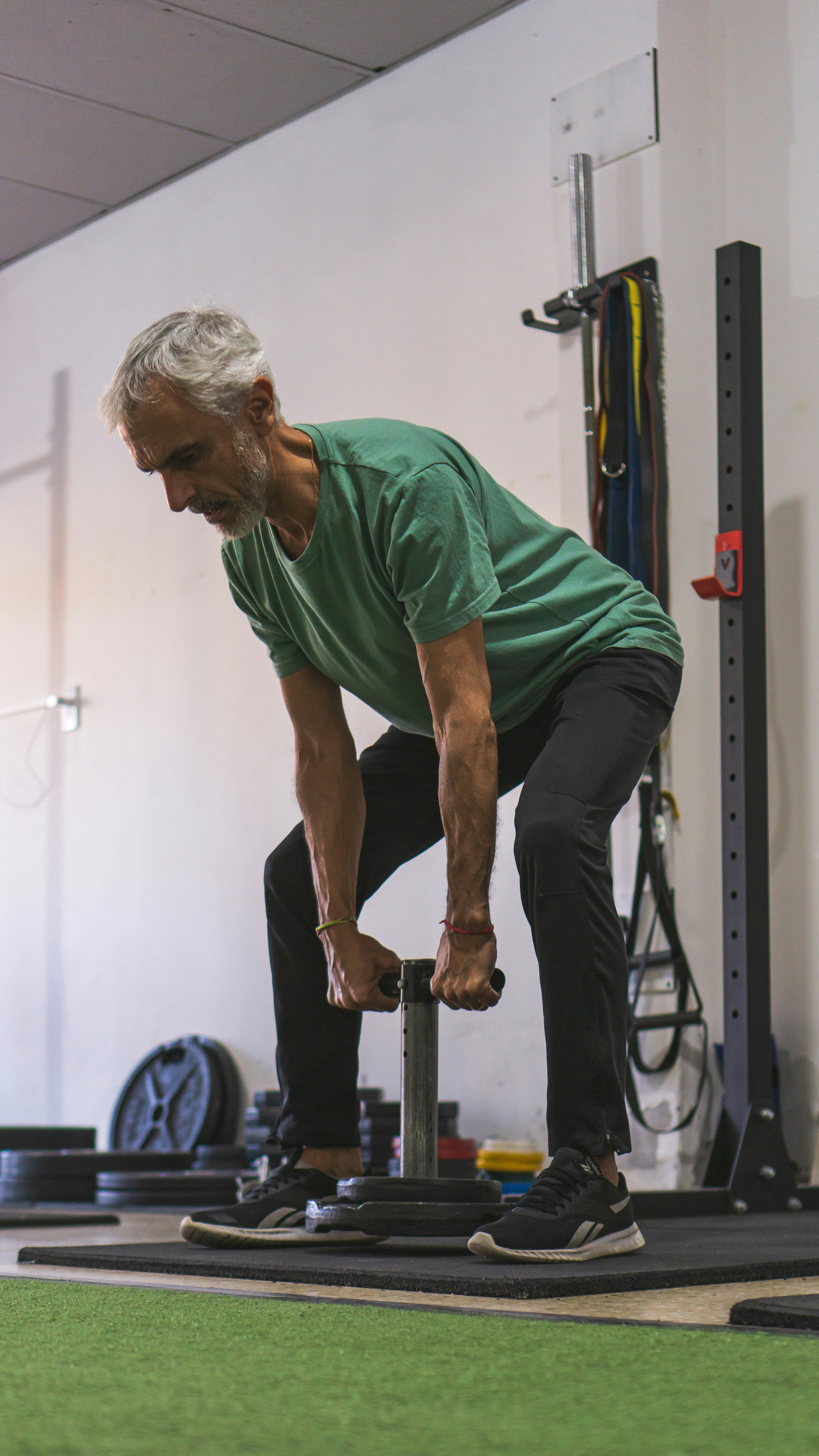
One of the critical aspects of safe strength training for older adults is the warm-up process. A proper warm-up routine helps to prepare the muscles and joints for the demands of resistance exercises. It can include light aerobic activity, such as brisk walking or cycling, followed by dynamic stretches that focus on the major muscle groups. Warming up aids in enhancing flexibility and reducing the risk of injuries.
An essential guideline for older adults lifting weights is to listen to one’s body. It is important to be attuned to any discomfort or pain that may arise during workouts. If an exercise causes sharp pain or unusual strain, it is advisable to stop immediately. Consulting with a healthcare professional may be necessary to address any underlying conditions that could be exacerbated by certain movements. Additionally, recognizing the importance of rest and recovery cannot be overstated. Older adults should ensure they grant their bodies adequate time to recuperate between training sessions to avoid overtraining and injuries.
Nutrition also plays a vital role in supporting strength training efforts. A balanced diet rich in protein, vitamins, and minerals is necessary to foster muscle recovery and growth. Hydration should not be overlooked, as staying well-hydrated helps in maintaining optimal physical performance and recovery.
In summary, integrating these safety tips allows individuals over 50 to engage in strength training in a secure manner. By emphasizing warm-ups, body awareness, adequate recovery time, and proper nutrition, older adults can effectively enhance their strength training experience and maintain an active lifestyle. The benefits can be life-changing, leading to improved muscle strength, better balance, and overall well-being.
