

Strength Training After 50: A Comprehensive Guide for Individuals with Diabetes, High Blood Pressure, or Heart Disease
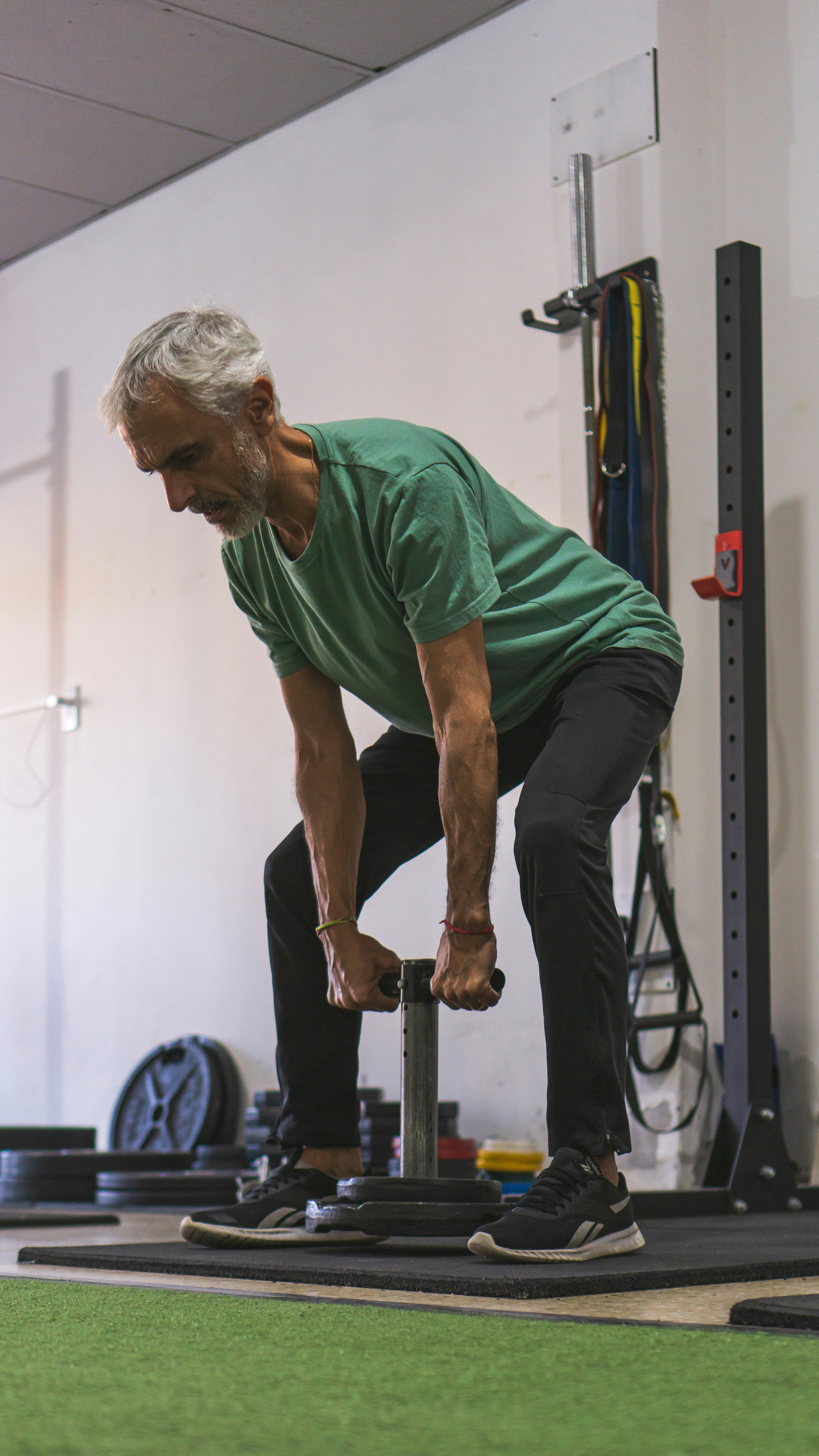

Understanding the Importance of Strength Training After 50
Strength training plays a vital role in the health and well-being of individuals over the age of 50, particularly for those managing diabetes, high blood pressure, or heart disease. As people age, they naturally experience a decline in muscle mass and bone density, which can lead to increased susceptibility to injury, chronic diseases, and a decline in the overall quality of life. Engaging in regular strength training can counteract these age-related changes, providing numerous health benefits.
One of the primary advantages of strength training is the preservation and improvement of muscle mass. As individuals age, muscle mass decreases, which can negatively affect metabolism and mobility. Strength training exercises help stimulate muscle growth and maintenance, allowing older adults to maintain their strength and independence. Furthermore, this type of exercise can contribute to enhanced glucose metabolism, which is particularly beneficial for those with diabetes, helping to control blood sugar levels more effectively.
In addition to muscle mass, strength training significantly contributes to improved bone health. Increased resistance training leads to greater bone density, which can help prevent osteoporosis, a condition that makes bones more fragile and susceptible to fractures. This can be an essential consideration for older adults, especially those with a history of fractures or those at risk due to underlying health conditions.
Moreover, strength training has been shown to have positive effects on cardiovascular health. For individuals with high blood pressure or heart disease, engaging in moderate resistance training can lead to improved blood circulation, reduced resting heart rate, and the potential lowering of blood pressure levels. Tailoring workouts to accommodate age-related changes is crucial for maximizing these benefits while minimizing the risk of injury.
In summary, strength training offers numerous advantages for older adults, especially those with chronic health conditions. Its impact on muscle mass, bone density, and cardiovascular health underpins the importance of incorporating this form of exercise into regular routines, thereby promoting a healthier, more active lifestyle after the age of 50.
Precautions and Considerations for Strength Training
Engaging in strength training after the age of 50 can offer numerous health benefits, but it is essential to approach this activity thoughtfully, particularly for individuals with diabetes, high blood pressure, and heart disease. The first and foremost recommendation is to consult with a healthcare provider before embarking on any new exercise program. This step is crucial as it allows for a tailored approach based on individual health circumstances, ensuring that the chosen regimen is both safe and effective.
Understanding one’s medical condition is paramount. Individuals should be aware of their blood pressure levels, heart condition status, and how diabetes can affect physical activity. Proper education on these elements will empower individuals to make informed decisions about their training. Additionally, participants should familiarize themselves with potential signs of overexertion, such as excessive fatigue, dizziness, or shortness of breath, which can indicate that adjustments may be necessary.
Warming up before starting strength training is another essential precaution. A thorough warm-up prepares the muscles and cardiovascular system for more strenuous activity, reducing the risk of injury. Similarly, a cool-down period post-exercise is beneficial to help the body gradually return to its resting state. Stretching can enhance flexibility and further minimize the risk of strains.
Moreover, individuals should listen to their bodies and recognize their limitations. Strength training should not induce pain; slight discomfort may be normal, but any acute or persistent pain should be a signal to stop and reassess the technique or intensity. It might also be helpful to work with a trainer experienced in dealing with seniors, especially those with complex health conditions. By implementing these precautions, individuals over 50 can safely enjoy the benefits of strength training while managing their health concerns effectively.
Creating a Safe and Effective Strength Training Program
Designing a strength training program for older adults, particularly those managing chronic health conditions such as diabetes, high blood pressure, or heart disease, requires careful consideration of several key elements. The primary focus should be on ensuring safety while promoting strength and mobility.
Firstly, the frequency of workouts is crucial. It is generally recommended that older adults engage in strength training exercises at least two to three times per week. This allows adequate time for recovery between sessions, which is essential for preventing injuries and ensuring optimal muscle repair.
Next, determining the right intensity is vital. This can be achieved through the use of various tools, such as resistance bands, free weights, or body weight exercises. For individuals with chronic conditions, starting with lighter weights or resistance levels and gradually progressing as strength improves is advisable. This progressive overload principle helps in building muscle strength without overwhelming the body.
Incorporating a variety of exercise types is also important. A well-rounded program should include exercises targeting all major muscle groups. Additionally, integrating flexibility exercises, such as stretching, can enhance range of motion and reduce the risk of injuries. Cardiovascular exercises, like walking or cycling, should be included to promote heart health and overall fitness, complementing the strength training component.
As individuals build their strength, it is essential to progressively increase difficulty by adjusting the resistance, number of repetitions, or types of exercises. Regular assessments of physical ability can help in making informed adjustments to the training program. Safety should remain the top priority; hence, ongoing communication with healthcare providers is recommended to monitor any health concerns related to exercise.
FAQs: Common Questions about Strength Training After 50
For many individuals over 50, especially those dealing with diabetes, high blood pressure, or heart disease, embarking on a strength training regimen can raise numerous questions. Addressing these frequently asked questions can provide clarity and empower individuals to incorporate strength training safely and effectively into their lives.
What types of strength training exercises are best for individuals over 50? The ideal exercises often include a mix of resistance training and bodyweight exercises. Options such as light weights, resistance bands, and low-impact machines are recommended, as they allow for controlled movements. Focus on major muscle groups, and consider functional exercises that promote daily activities, such as squats and seated leg presses. Engaging a certified trainer with experience in working with older adults can further ensure safety and effectiveness.
How can workouts be adapted for specific health conditions? Customization is vital. Before starting, it is advisable to consult a healthcare professional to ensure that the chosen workouts align with one’s health status. Start with lower weights and gradually increase as strength improves. Additionally, modifying exercises to accommodate limitations—such as performing exercises while seated or using wall support—can significantly enhance safety and comfort.
How often should older adults train to see benefits? For optimal results, aim for at least two to three sessions of strength training per week, with a day of rest in between. Each session should include a variety of exercises targeting all major muscle groups. Consistency is key to building and maintaining muscle strength, which in turn supports overall health.
What are some tips for maintaining motivation and consistency? Setting manageable goals, tracking progress, and even joining a support group can enhance motivation. Additionally, finding a workout buddy or incorporating activities into a routine can foster a sense of accountability. Finally, being patient and celebrating small victories will help sustain engagement in the strength training journey.