
Strategies for Preserving Muscle Mass After 50
Understanding Muscle Loss in Older Adults
As individuals reach the age of 50 and beyond, they often encounter a decline in muscle mass, a condition known as sarcopenia. This gradual loss of muscle is an intricate issue influenced by several biological and physiological factors. One of the primary reasons for muscle loss in older adults is the changes in hormone production. Notably, levels of testosterone and growth hormone tend to decrease with age, both of which are essential for maintaining muscle mass and strength.
Moreover, decreased physical activity plays a significant role in muscle loss. With advancing age, many individuals tend to engage in fewer vigorous activities. A sedentary lifestyle can exacerbate the natural decline in muscle and strength. Muscle fibers require regular stimulation through exercise to remain healthy; thus, a decline in activity can lead to further atrophy.
Nutritional deficiencies are another critical factor contributing to muscle mass decline in older adults. Many individuals may not consume adequate amounts of protein, which is vital for muscle repair and growth. As metabolism slows with age, the body becomes less efficient at processing nutrients, making it even more important to focus on a balanced diet rich in essential nutrients that support muscle health.
Furthermore, aging can lead to changes in the neuromuscular system, affecting the way muscle fibers are recruited during physical activity. This can result in poor muscle coordination, increasing the risk of falls and injuries, which can further diminish an individual’s ability to maintain an active lifestyle. Understanding these biological and physiological reasons for muscle loss is crucial in developing effective strategies to combat this condition and preserve muscle mass.
Importance of Strength Training
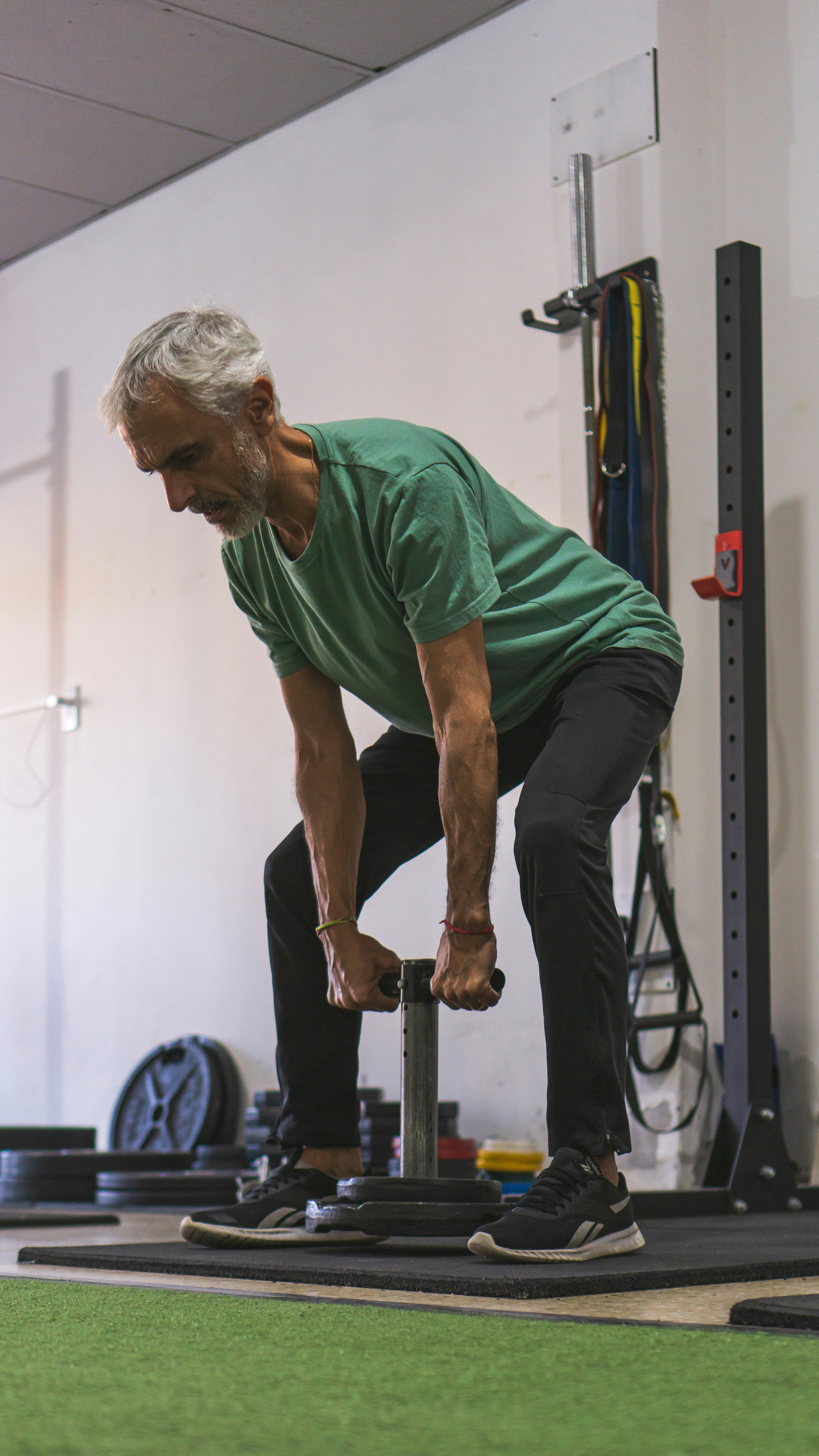
As individuals age, especially after the age of 50, the preservation of muscle mass becomes increasingly significant for maintaining overall health and functional independence. One of the most effective strategies for achieving this is through strength training. Research demonstrates that engaging in regular strength exercises can help counteract the natural age-related decline in muscle size and strength, which is often referred to as sarcopenia.
Strength training encompasses various forms of resistance exercises, including weight lifting, bodyweight exercises, and resistance band workouts. These activities are essential for older adults due to their role in stimulating muscle hypertrophy, enhancing metabolic function, and improving bone density. Moreover, strength training can promote better balance and coordination, reducing the risk of falls, which are a common concern for those over 50.
When it comes to the types of strength exercises recommended for older adults, a combination of both compound and isolation movements is ideal. Compound exercises like squats, deadlifts, and bench presses engage multiple muscle groups simultaneously, while isolation exercises such as bicep curls and leg extensions help to target specific areas of weakness. It is crucial, however, to choose exercises that are appropriate for one’s fitness level to ensure safety and effectiveness.
Frequency and intensity of training sessions should also be carefully considered. Most health experts suggest engaging in strength training exercises at least two to three times per week, allowing for adequate rest between sessions to facilitate recovery. Gradual progression in intensity is key; older adults should start with lighter weights to avoid injury and then incrementally increase their load as they become more comfortable with their routine.
Incorporating strength training into a regular fitness program can be safely achieved by starting under the guidance of a qualified fitness professional. This not only ensures that the exercises are performed correctly but also helps to tailor a personal routine suited to individual health conditions and goals. By prioritizing strength training, individuals over 50 can play an active role in preserving their muscle mass and enhancing their quality of life.
Nutrition’s Role in Muscle Preservation
As we age, the maintenance of muscle mass becomes increasingly crucial, especially after reaching the age of 50. The connection between nutrition and muscle preservation is profound; thus, understanding essential nutrients and dietary strategies is vital. One of the primary building blocks for muscles is protein. It is imperative that older adults prioritize sufficient protein intake, approximately 1.2 to 2.0 grams per kilogram of body weight, depending on their activity level. High-quality protein sources such as lean meats, poultry, fish, beans, and legumes can significantly contribute to muscle maintenance.
In addition to protein, vitamins and minerals play indispensable roles in muscle health. For instance, vitamin D is essential for calcium absorption, which influences muscle function as well as bone health. Calcium, found in dairy products and fortified plant-based alternatives, supports muscle contractions and overall strength. Furthermore, the inclusion of B vitamins aids in energy production and muscle repair.
Hydration is another critical component of nutrition that is often overlooked. Dehydration can impede performance and muscle recovery, making it essential to drink enough fluids throughout the day. Aim for water as the primary source of hydration, supplemented by electrolyte-rich beverages if engaging in intensive physical activity.
Crafting a balanced diet that aligns with muscle preservation should incorporate a variety of nutrient-dense foods. Emphasizing whole grains, fruits, vegetables, and healthy fats can provide the necessary fuel for maintaining an active lifestyle. By integrating these dietary strategies and ensuring adequate nutrient intake, individuals can effectively support their muscle health and combat the natural decline in muscle mass that typically occurs with age. Consideration of personal dietary restrictions or preferences is also advisable to maintain a sustainable and enjoyable eating plan.
Lifestyle Changes for Sustaining Muscle Mass
As individuals age, particularly after the age of 50, it becomes increasingly vital to implement lifestyle changes that contribute to maintaining muscle mass. One of the primary factors affecting muscle health is physical activity. Engaging in regular exercise, particularly strength training and resistance exercises, has been shown to enhance muscle strength and size. A combination of aerobic and anaerobic exercises not only supports muscle maintenance but also improves overall cardiovascular health, contributing to a more active lifestyle.
Adequate sleep is another essential pillar for sustaining muscle health. Sleep is the body’s natural recovery time, critical for muscle repair, recovery, and growth. Adults over 50 typically require 7 to 9 hours of quality sleep per night. Establishing a consistent sleep schedule and creating a restful environment can significantly improve sleep quality, which in turn supports muscle recovery and maintenance.
Additionally, effective stress management plays a crucial role in muscle preservation. Chronic stress can lead to elevated cortisol levels, which may negatively impact muscle mass. It is important to practice relaxation techniques such as mindfulness, meditation, or yoga, which can mitigate stress levels. These practices not only enhance mental well-being but also contribute to physical health, creating a holistic approach to muscle preservation.
Staying socially active is equally important for maintaining muscle mass post-50. Engaging in social activities and building strong relationships can boost motivation for regular exercise. Participating in group classes or community sports can help individuals remain active while also fostering connections with others. This social engagement often leads to a more consistent exercise routine, which is beneficial for muscle health.
Incorporating these lifestyle changes—regular physical activity, adequate sleep, effective stress management, and social engagement—into daily life can significantly contribute to sustaining muscle mass after the age of 50. Taking proactive steps towards these changes not only promotes better muscle health but also enhances overall quality of life.
