
Staying Fit During Pregnancy: Safe Exercises and Essential Tips

The Importance of Staying Fit While Pregnant
Maintaining physical fitness during pregnancy is essential for the well-being of both the expectant mother and her developing baby. Engaging in regular exercise offers numerous benefits that contribute to a healthier pregnancy. For instance, staying fit can help alleviate common discomforts associated with pregnancy, such as back pain, fatigue, and swelling. Moreover, it has been associated with improved mood and reduced anxiety, fostering a positive mindset throughout the pregnancy journey.
Exercising during this crucial time can also enhance cardiovascular health, which is vital for supporting the increased blood volume necessary for both mother and baby. Studies have shown that pregnant women who remain active often experience lower risk of gestational diabetes and hypertension, further promoting a safe and healthy pregnancy.
In addition to these health benefits, consistent physical activity has been linked to a smoother childbirth experience. Women who are physically fit may find that labor is shorter and less painful, significantly contributing to a more positive birthing process. Furthermore, staying fit aids in postpartum recovery by facilitating quicker return to pre-pregnancy weight and helps improve overall energy levels, making it easier to care for the newborn.
Despite these advantages, it is crucial for pregnant women to consult with healthcare professionals before starting any exercise program. Every pregnancy is unique, and a qualified practitioner can provide tailored advice and recommendations that take into account individual health conditions and fitness levels. By doing so, expectant mothers can embark on a safe and effective fitness regime that supports their health and that of their baby.
During pregnancy, maintaining a regular exercise routine can be beneficial for both physical and mental health. However, it is crucial to select safe exercise options that cater to the needs of a pregnant body. Various effective exercises can be easily incorporated into the daily routine while ensuring safety and comfort.
Swimming
Swimming is often viewed as one of the best exercises for pregnant women. It provides a full-body workout while the water supports the body, minimizing the risk of falls and excessive strain on the joints. Swimming helps alleviate swelling and back pain, making it an enjoyable exercise that allows for freedom of movement.
Walking
Walking is a low-impact, accessible exercise that can be seamlessly integrated into daily life. It helps maintain cardiovascular fitness and promotes a healthy weight gain during pregnancy. Furthermore, walking outdoors can enhance mood by providing exposure to fresh air and sunlight.
Modified Weight Training
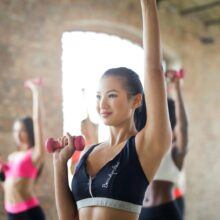
With proper guidance, modified weight training can be safe and effective for pregnant women. Using lighter weights and focusing on proper form reduces the risk of injury while helping to maintain muscle strength. It is essential to avoid lifting heavy weights and exercises that involve lying flat on the back after the first trimester.
Yoga
Yoga adapts well to pregnancy and offers significant benefits such as improved flexibility, strength, and stress relief. Prenatal yoga classes specifically cater to the needs of pregnant women, ensuring that poses are safe. Deep breathing techniques integrated into yoga practice can also benefit labor preparation.
Low-Impact Aerobics
Low-impact aerobics classes designed for expectant mothers can provide an excellent cardiovascular workout without putting excessive strain on the joints. These classes can improve endurance and maintain overall fitness levels while being mindful of the body’s changing dynamics.
In conclusion, incorporating a variety of safe exercises during pregnancy is essential for maintaining health and well-being. By selecting activities such as swimming, walking, modified weight training, yoga, and low-impact aerobics, pregnant women can enjoy a beneficial workout routine that respects their body’s needs.
Creating a Balanced Workout Routine
Designing a balanced workout routine during pregnancy is essential for maintaining overall health and wellness. A well-rounded schedule should incorporate cardiovascular exercises, strength training, and flexibility workouts, catering to the mother’s fitness level and stage of pregnancy. This holistic approach not only supports physical fitness but also promotes mental well-being.
When engaging in cardiovascular exercises, consider low-impact activities such as walking, swimming, or stationary cycling. These exercises are generally safe and can be performed for 30 minutes a day, several times a week. It is important for expectant mothers to monitor their heart rate and ensure they are comfortable throughout the activity. Listening to one’s body is crucial; if fatigue or discomfort arises, it may be necessary to reduce intensity or duration.
Strength training is another vital component of a balanced regimen. Expectant mothers can use bodyweight exercises, resistance bands, or light free weights to maintain muscle tone. Focus should be directed at major muscle groups, with an emphasis on core stabilization and pelvic floor strengthening. With proper form and safety measures, strength training can be performed twice a week, allowing adequate rest and recovery in between sessions.
Incorporating flexibility exercises such as yoga or specific stretching routines enhances muscle elasticity and reduces the risk of injury. Such activities can also alleviate discomfort often experienced in pregnancy. Stretching increases blood flow to muscles and can be performed daily, particularly as the body undergoes changes.
In summary, creating a balanced workout routine tailored to the individual’s pregnancy journey is paramount. Incorporating cardiovascular, strength, and flexibility training allows expectant mothers to engage in safe exercises and adapt to changes throughout their pregnancy. Paying attention to the body’s signals plays a vital role in ensuring both safety and enjoyment during this transformative time.
Frequently Asked Questions about Exercising During Pregnancy
Pregnancy brings about numerous changes, and many expectant mothers have questions regarding safe exercise practices. Understanding how to stay active during this time is crucial for both emotional and physical well-being. One common inquiry is about the recommended amount of exercise while pregnant. Most health experts advocate for at least 150 minutes of moderate-intensity aerobic activity per week. This can include walking, swimming, or stationary cycling, tailored to individual comfort levels.
Another prevalent concern involves which activities should be avoided during pregnancy. High-impact sports, exercises that involve lying flat on the back after the first trimester, and any activities with a risk of falling are generally discouraged. Each trimester can introduce different considerations, prompting many to seek guidance on how to modify their routines as their bodies evolve. For instance, during the second and third trimesters, exercises that emphasize stability and flexibility, such as prenatal yoga, can be beneficial. These types of activities can also help manage discomfort and prepare the body for labor.
Staying motivated to maintain an exercise routine can also be challenging for expectant mothers. One effective strategy is to set realistic, achievable goals that allow for flexibility. Joining a prenatal exercise class can provide both accountability and community support. Moreover, always listen to your body; fatigue, body aches, and the need for rest are indicators that one might need to adjust their fitness plan. Consulting with healthcare professionals throughout this journey can offer personalized recommendations and reassurance. Ultimately, prioritizing health through safe, enjoyable exercise can enhance the pregnancy experience, ensuring both mother and baby benefit from the commitment to fitness.