
Setting Realistic Fitness Goals After 50: A Comprehensive Guide
Understanding Your Body After 50
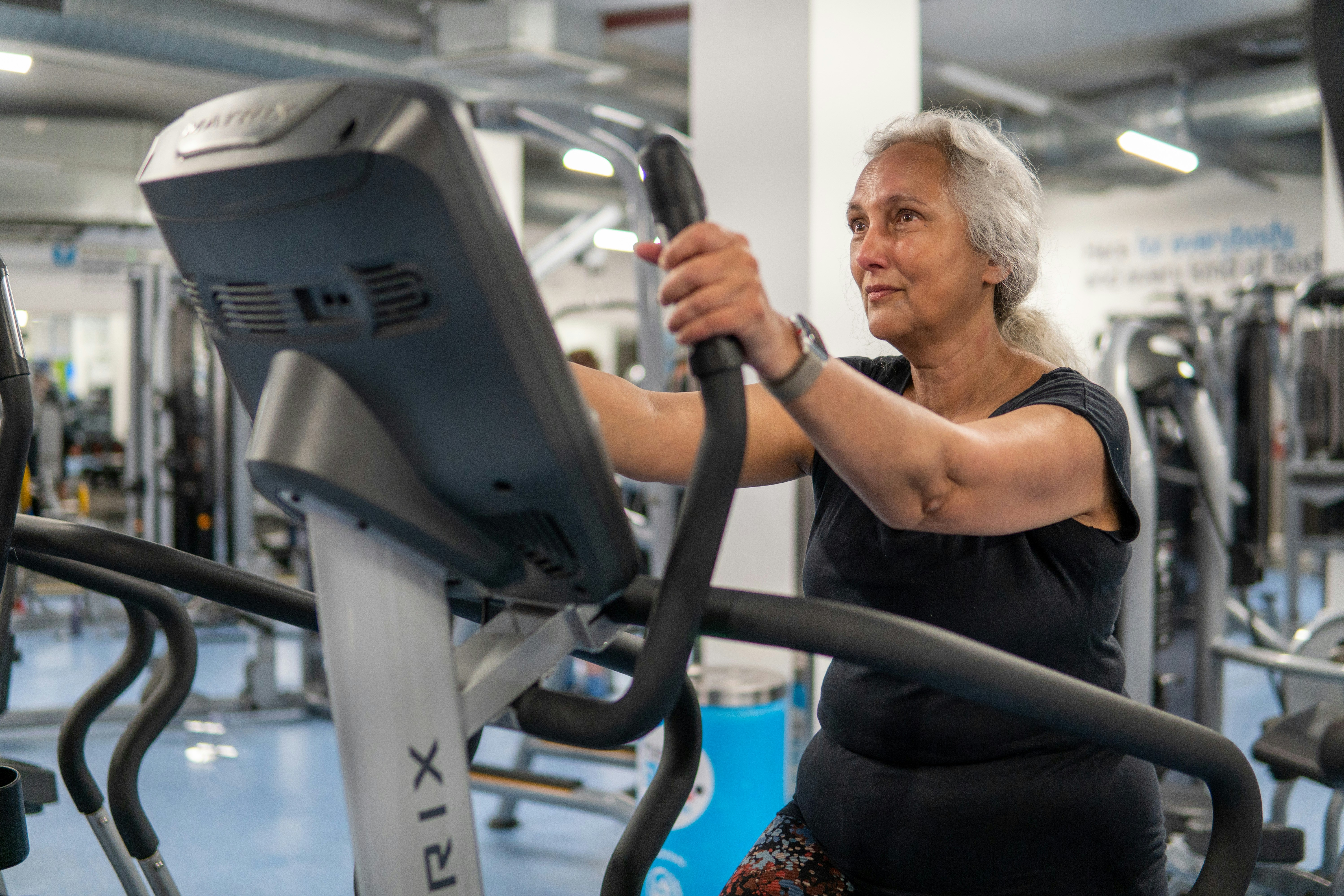
As individuals reach the age of 50, a number of physiological changes begin to manifest in the body, which can significantly affect overall health and fitness. One of the most notable changes is the gradual loss of muscle mass, a condition known as sarcopenia. This decline in muscle tissue can lead to decreased strength and endurance, making it crucial for those over 50 to incorporate strength training into their fitness routines to mitigate these effects. By focusing on resistance exercises, individuals can help maintain muscle mass and improve their functional abilities.
Another important aspect to consider is the slowing of metabolism that often occurs after the age of 50. As metabolic rates decrease, it requires less energy for the body to function, which can result in weight gain if dietary habits remain unchanged. This slowing metabolism emphasizes the need for a balanced exercise program that includes both aerobic activities and strength training. Creating a calorie deficit through physical activity, while ensuring nutritional needs are met, becomes vital for weight management during this stage of life.
Furthermore, joint health tends to decline as one ages, which can be attributed to wear and tear over time, along with conditions like osteoarthritis. Decreased flexibility and joint discomfort can hinder participation in certain physical activities, making it essential to integrate low-impact exercises such as swimming or cycling to foster cardiovascular health without putting stress on the joints. Regular stretching can also enhance flexibility and support joint function.
Acknowledging these physiological changes is fundamental when setting realistic fitness goals. It allows individuals to tailor their fitness plans to accommodate their evolving capabilities, fostering a healthier and more sustainable approach to physical activity after 50. By understanding the body’s unique requirements at this age, individuals can create achievable and beneficial fitness objectives that promote long-term wellness.
Defining What Realistic Goals Mean
As individuals reach the age of 50 and beyond, it becomes essential to set realistic fitness goals that are tailored to their unique circumstances, capabilities, and lifestyle changes. Realistic goals are those that are attainable and aligned with one’s physical condition, motivation, and time constraints. These goals can be categorized into short-term and long-term objectives, allowing for a structured and manageable approach to fitness.
Short-term fitness goals are typically set for a duration of a few weeks to a couple of months. They serve as stepping stones toward achieving more significant aspirations. For instance, a short-term goal may involve incorporating more physical activity into daily routines, such as committing to a 20-minute walk five days a week or participating in a local yoga class. Such objectives are not only achievable but also motivate individuals to gradually enhance their physical activity levels without overwhelming them.
Long-term fitness goals, on the other hand, are envisioned over a more extended timeframe, such as six months to a year or more. They often involve more substantial lifestyle changes and may encompass losing a specific amount of weight, improving cardiovascular health, or building muscle strength. For example, an individual over 50 might set a long-term goal of participating in a 5K run after dedicating time to a structured training program. This not only provides a clear endpoint but also encourages consistency and commitment to a healthier lifestyle.
When defining what constitutes realistic fitness goals, it is vital to consider various factors including current health conditions, previous activity levels, and personal interests. Setting goals that resonate with individual preferences, such as joining a community fitness group or exploring outdoor activities, can further enhance motivation and enjoyment. Consequently, the process of goal setting becomes a personalized journey towards better health.
Creating a Personalized Fitness Plan
Designing a personalized fitness plan after the age of 50 involves careful consideration of individual health conditions, preferences, and lifestyle choices. Understanding one’s unique physical state is the first step to developing a suitable regimen. It is advisable to consult with a healthcare professional to assess any pre-existing health issues that may influence the type of exercises one can safely perform.
Once the health assessment is complete, individuals should reflect on their fitness preferences and previous exercise experiences. Identifying preferences is crucial as it enhances motivation and adherence to the fitness plan. For instance, if an individual enjoys group activities, participating in community fitness classes might be beneficial, while those who prefer solitude might thrive with home workouts or jogging alone.
Next, incorporating various types of exercise is essential for a balanced fitness routine. This can include strength training, flexibility exercises, and cardiovascular activities. Strength training is particularly important for maintaining muscle mass and bone density, which can decline with age. Aiming for at least two days a week of strength training, using free weights or resistance bands, can help individuals build strength safely.
Flexibility exercises, such as yoga or stretching, should be included regularly to enhance mobility and prevent injuries. Older adults often experience stiffness, so dedicating time to these activities can contribute significantly to overall well-being.
Cardiovascular activities, including walking, swimming, or cycling, are crucial for heart health and should be performed for at least 150 minutes a week. Finding enjoyable cardiovascular activities can make this goal more attainable. Individuals should gradually increase the intensity and duration of their workouts depending on their fitness level and comfort.
Lastly, regularly reviewing and adjusting the fitness plan is necessary, ensuring that it remains relevant and challenging. This allows individuals to stay engaged in their fitness journey as they continue to progress.
Staying Motivated and Tracking Progress
Maintaining motivation is crucial for achieving fitness goals, especially for individuals over 50. As the body changes with age, establishing and sticking to a fitness routine can become challenging. However, there are several strategies that can make this journey both enjoyable and sustainable.
One effective strategy is to find a workout buddy. Exercising with a friend or partner not only makes workouts more enjoyable but also adds a layer of accountability. When you know someone else is counting on you, it can be easier to stay committed to your exercise routine. Additionally, joining community classes or local fitness groups can help foster a sense of belonging. These classes often cater to older adults, ensuring that the exercises are appropriate for various fitness levels while also providing a supportive environment.
Another approach to sustaining motivation is to set up rewards for achieving certain milestones. Whether it’s treating yourself to a massage, a new workout outfit, or an outing, rewards can serve as positive reinforcement. Setting small, achievable goals can create a series of motivational milestones that help maintain enthusiasm and reinforce persistence toward your overall fitness objectives.
Tracking progress is equally essential for making strides in your fitness journey. Utilizing fitness apps, wearable devices, or even a simple journal can help record daily activities, track improvements in strength and endurance, and monitor changes in body measurements. Regularly checking in on your progress can boost your motivation by providing tangible evidence of your hard work and dedication. In addition, reflecting on your workouts and recovery can help identify what strategies work best for you and where adjustments may be necessary.
In conclusion, staying motivated and effectively tracking progress are fundamental components in reaching fitness goals after 50. Establishing connections with others, rewarding yourself, and utilizing tracking tools are key strategies that can enhance your fitness journey while fostering a sustainable and enjoyable routine.
