
Safe Weight Progression Strategies for Adults Over 50
Understanding the Importance of Weight Training After 50
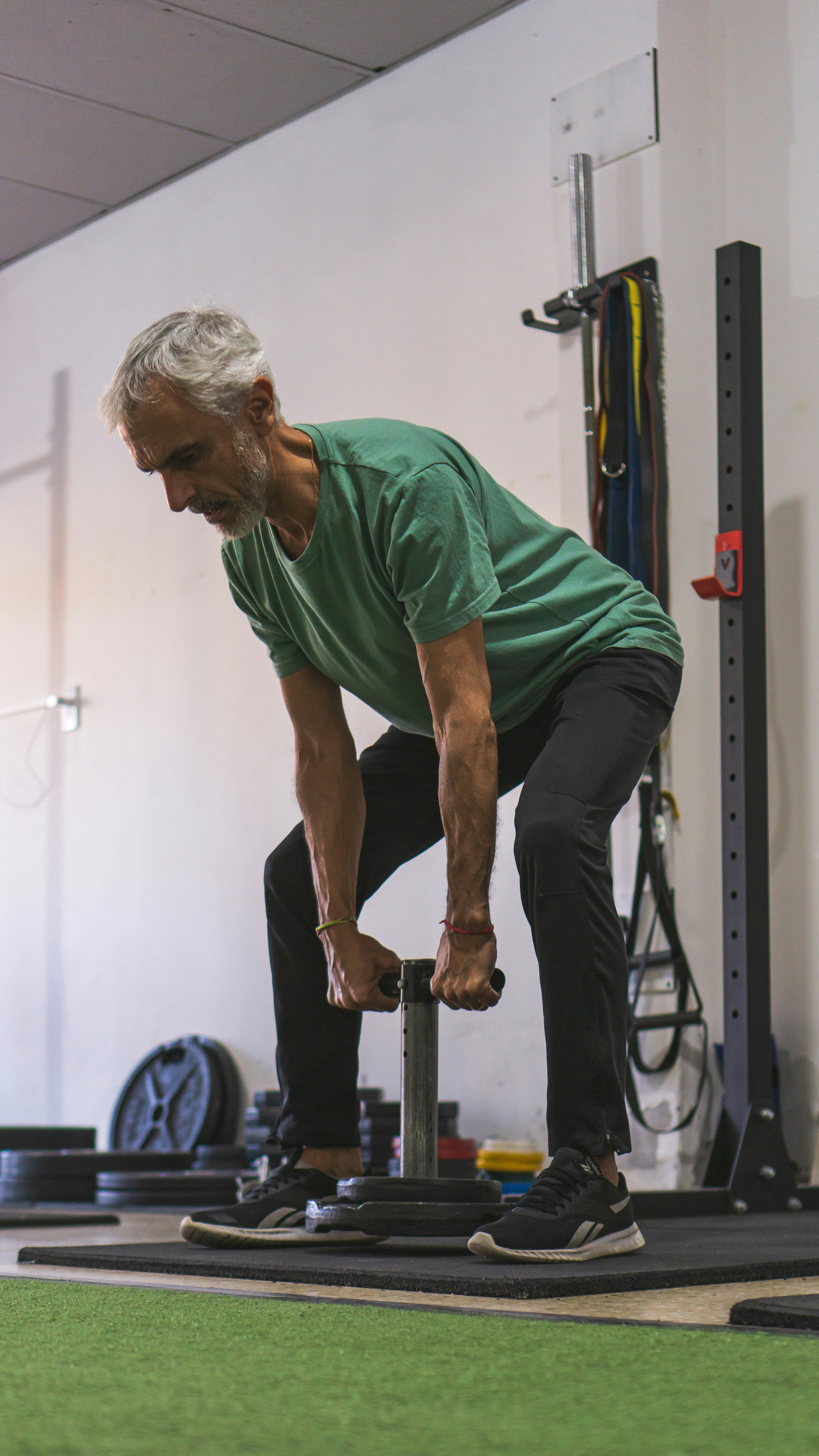
As adults reach the age of 50 and beyond, the significance of weight training becomes increasingly apparent. This phase of life often brings about various physiological changes, including a gradual decline in muscle mass and strength. Engaging in resistance training is an effective way to counteract these changes, thereby promoting muscle hypertrophy and enhancing overall functional capacity.
One of the primary benefits of weight training for older adults is its positive effect on muscle mass. Research indicates that individuals over 50 can lose approximately 1-2% of their muscle mass each year if they do not actively engage in physical activities aimed at strength building. By incorporating weight training into their routine, adults can preserve and even increase their muscle mass, which is crucial for maintaining mobility and independence as they age.
Additionally, weight training plays a vital role in improving bone density, which is particularly important for older adults who are at an increased risk for osteoporosis and fractures. Resistance exercises can stimulate bone formation and enhance bone strength, helping to reduce the likelihood of injuries that can have significant consequences on health and quality of life.
Furthermore, engaging in regular weight training can boost metabolism, which typically slows down with age. Increased muscle mass contributes to a higher basal metabolic rate, meaning that the body can burn more calories even at rest. This can aid in weight management and reduce the risk of obesity-related health issues.
In summary, the integration of weight training into the lifestyle of adults over 50 is not merely a fitness trend; it is a critical component of a comprehensive health strategy. Not only does it support muscle health and bone density, but it also enhances metabolism and overall well-being. Embracing weight training can lead to a healthier, more vigorous aging process and significantly improve quality of life.
Assessing Your Current Fitness Level
Before embarking on a weight training program, it is crucial for adults over 50 to assess their current fitness levels. This initial evaluation serves as a foundation for establishing a safe and effective exercise regimen tailored to individual needs and circumstances.
The first aspect to evaluate is baseline strength. It is beneficial to determine how much weight one can comfortably lift for several repetitions. This can be achieved by starting with light weights or resistance bands and gradually increasing the load. Documenting the number of repetitions performed without strain can provide insight into current capabilities and highlight opportunities for improvement.
Flexibility is another vital component of fitness that must be considered. Engaging in flexibility exercises, such as gentle stretching or yoga, can help assess the range of motion in various joints. It is important to identify any areas where tightness may impede safe lifting techniques. Flexibility not only aids in performing weightlifting exercises correctly but also reduces the risk of injuries.
Furthermore, individuals must take into account any existing health conditions or injuries that may impact their ability to safely lift weights. Consulting a healthcare professional or physical therapist can be invaluable. They can guide necessary modifications to accommodate any physical limitations and recommend appropriate exercises that promote strength without exacerbating any issues.
Lastly, individuals should consider their overall endurance level and cardiovascular health. This aspect of fitness can influence the ability to engage in longer weight training sessions effectively. Activities like walking or swimming can enhance cardiovascular endurance, making it easier to transition into weightlifting.
By comprehensively evaluating strength, flexibility, health conditions, and endurance, adults over 50 can confidently enter a weight training program. This careful assessment not only aids in establishing a baseline but also ensures a safer and more effective approach to enhancing fitness levels.
Tips for Safe Weight Progression
For adults over the age of 50, incorporating weight training into a fitness regimen can be highly beneficial; however, safe weight progression is crucial to avoid injury and ensure lasting results. To embark on a weightlifting journey, it is essential to start with lighter weights and gradually increase the load as strength improves.
Listening to one’s body is fundamentally important. This means paying attention to any discomfort or fatigue during exercises. If a particular weight feels too challenging, it is advisable to either decrease the load or take adequate rest before trying again. Setting realistic, achievable goals can help maintain motivation and establish a sense of accomplishment. For instance, aiming for incremental increases in weight every few weeks can encourage consistent progress while minimizing the risk of injury.
Incorporating recovery periods into a training schedule should not be overlooked. Adequate rest time allows muscles to recover and adapt to new loads, which is particularly vital for older adults whose recovery may take longer than that of younger individuals. Additionally, this approach can prevent overtraining, which is often a concern with progressive overload.
Proper technique is paramount for effective and safe weight training. Ensuring that movements are performed correctly can significantly reduce the risk of injury. It may also be beneficial to seek advice from a certified trainer, especially when starting a new routine. They can provide guidance on posture and form, which is essential for maximizing the effectiveness of each exercise.
Specific recommended exercises for safe weight progression include resistance band workouts, bodyweight exercises like squats and lunges, and guided weight machines, which offer controlled movements. These types of training can effectively enhance strength without placing undue stress on the joints. Ultimately, by following these guidelines, older adults can successfully engage in weight training while prioritizing safety and enjoyment in their fitness journeys.
Creating a Balanced Training Routine
Designing a well-rounded weight training program for adults over 50 involves incorporating various exercise modalities to enhance overall fitness and well-being. It is important to balance resistance training, cardiovascular exercises, flexibility, and mobility work. This diversity in workouts not only promotes progress but also significantly reduces the risk of injury that can be heightened in older adults.
Resistance training is essential for maintaining and building muscle mass, which naturally declines with age. A well-structured regimen should include exercises that target all major muscle groups, ideally performed two to three times a week. Options may include bodyweight exercises, free weights, or resistance bands, allowing for adjustments based on individual capability and comfort levels.
In addition to resistance training, cardiovascular exercises play a vital role in enhancing heart health and endurance. Activities such as walking, swimming, cycling, or group fitness classes can be beneficial. It is recommended to engage in at least 150 minutes of moderate-intensity aerobic activity each week, divided into manageable sessions that are easier to incorporate into daily life.
Flexibility and mobility work should not be overlooked, especially as rigidity can increase with age. Incorporating gentle stretching and mobility exercises into the routine promotes joint health and enhances overall movement quality. Practices such as yoga or Pilates can be particularly valuable, fostering improved range of motion while also providing a sense of mindfulness.
Ultimately, a balanced training routine that combines these elements—resistance training, cardiovascular activity, flexibility, and mobility work—brings numerous benefits. It encourages a physically active lifestyle, mitigates the risk associated with injury, and enhances mental health. It is advisable to consult with a fitness professional or health care provider when starting a new regimen to ensure it is tailored to individual health status and fitness levels.
