
Revitalizing Your Fitness Journey After 50

Understanding the Importance of Fitness After 50
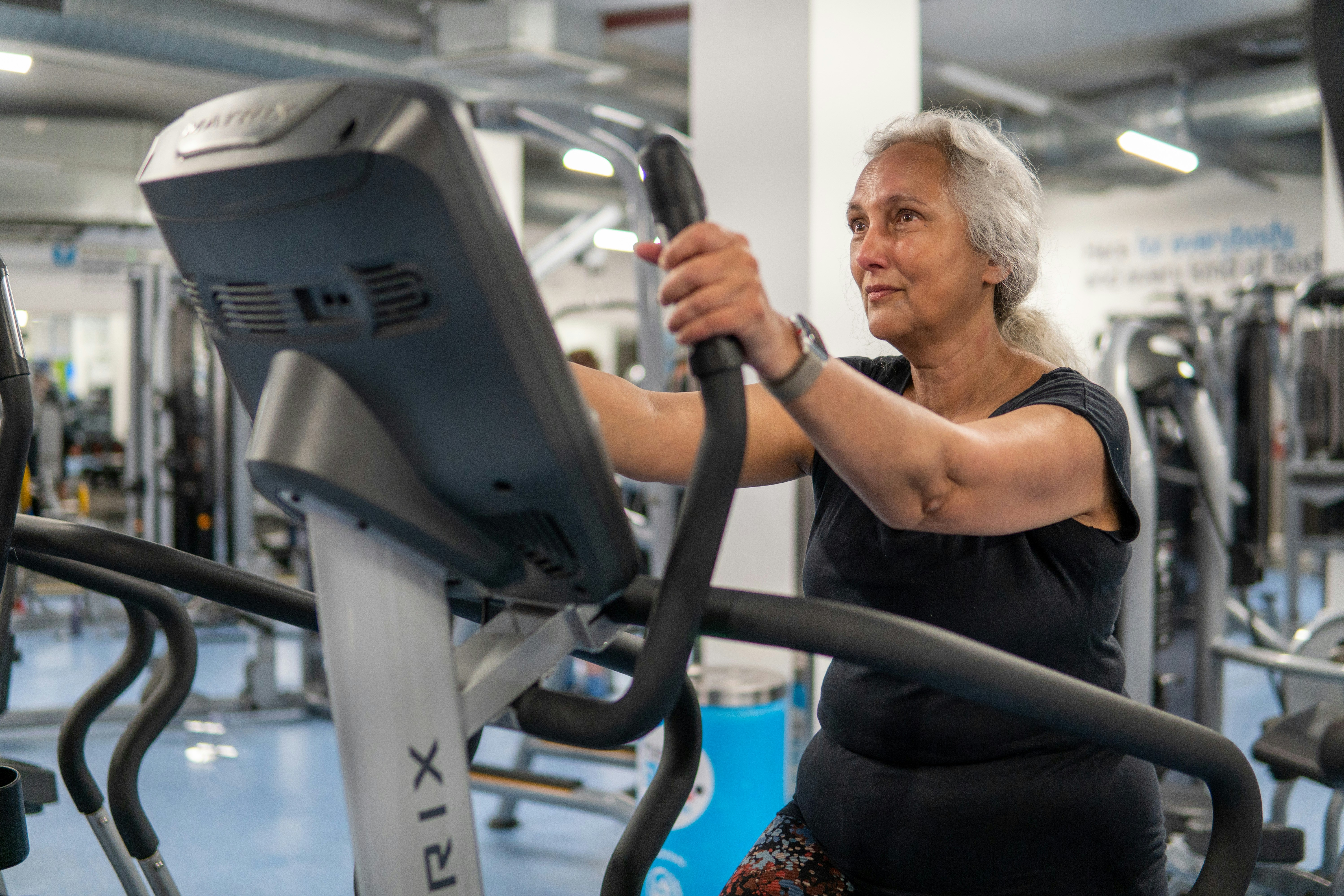
As individuals reach the age of 50 and beyond, the importance of maintaining physical fitness becomes increasingly evident. Regular exercise is fundamental to promoting overall health and well-being during this stage of life. Engaging in physical activity yields numerous benefits that can significantly improve one’s quality of life.
One of the primary advantages of staying active after 50 is the enhancement of cardiovascular health. Exercise helps to strengthen the heart, improve circulation, and lower the risks associated with heart disease. Furthermore, regular physical activity contributes to better manage weight, another significant factor in reducing health risks.
In addition to cardiovascular benefits, exercising regularly can bolster muscle strength, which naturally tends to decline with age. Resistance training, for instance, is essential to maintaining and even increasing muscle mass, allowing for greater functional abilities in daily tasks. Improved muscle strength is also closely linked to better balance and coordination, which are critical in preventing falls—one of the most common injuries among older adults.
Furthermore, engaging in physical activities can enhance mental well-being. Regular exercise has been shown to alleviate symptoms of anxiety and depression, thanks to the release of endorphins and the encouragement of social interaction, especially in group settings. It also promotes cognitive health, reducing the likelihood of memory issues and cognitive decline.
Despite the myriad benefits, many individuals over 50 harbor fears and misconceptions about exercise. Concerns about injury, lack of motivation, or beliefs that they are ‘too old’ to start are common. It is essential to dispel these misconceptions through awareness and education. With the right guidance and gradual approach, older adults can safely engage in physical activities that cater to their needs, ultimately contributing to a healthier, more fulfilling lifestyle.
Assessing Your Current Fitness Level
Before embarking on a new exercise regime, it is crucial to conduct a thorough evaluation of your current physical condition. This self-assessment allows you to understand your fitness level, recognize any limitations, and ultimately set realistic goals tailored to your capabilities. Proper assessment is especially important for those over the age of 50, where physical changes can significantly impact fitness activities.
Begin the assessment by considering your daily activities and overall lifestyle. Reflect on how you feel during routine tasks, such as climbing stairs, walking long distances, or engaging in household chores. Are these activities becoming increasingly challenging? This introspection can provide valuable insights into your current fitness status.
Another effective method for self-assessment is to utilize simple fitness tests that evaluate strength, flexibility, endurance, and balance. For instance, the chair stand test can measure lower body strength and stability. Meanwhile, the sit-and-reach test can assess flexibility, important for maintaining mobility and reducing the risk of injury. Additionally, short walks can gauge your aerobic capacity; aim for a brisk pace and measure how you feel both during and after the activity.
It is also imperative to understand your limitations. Consider any pre-existing health conditions, injuries, or chronic pain that may hinder your fitness journey. Being aware of these limitations can guide your exercise choices and prevent potential harm. In some cases, seeking professional advice is beneficial. Consulting with a healthcare provider or fitness expert can yield personalized recommendations, ensuring that your fitness plan aligns with your health status. They may suggest tailored assessment strategies or workouts designed specifically for your individual needs.
In conclusion, assessing your current fitness level forms the foundation of a successful fitness journey, particularly after 50. By evaluating your physical condition thoughtfully and accurately, you can establish a clear starting point and set attainable fitness goals that motivate and inspire you to embrace an active lifestyle.
Creating a Balanced Workout Plan
Designing a workout plan that caters to individuals over the age of 50 requires careful consideration of their unique physical needs and capabilities. As we age, our bodies undergo various changes, influencing our approach to fitness. It is essential to create a balanced workout plan that encompasses multiple forms of exercise, ensuring a comprehensive approach to health and wellness.
Aerobic activities play a vital role in enhancing cardiovascular health and stamina. Engaging in low-impact exercises such as walking, swimming, or cycling can significantly improve heart health and endurance. It is advisable for individuals to start at a comfortable pace and gradually increase their duration and frequency, aiming for at least 150 minutes of moderate aerobic activity each week.
Strength training is equally crucial, as it helps to maintain muscle mass and bone density, preventing age-related decline. Incorporating resistance exercises two to three times a week can enhance overall strength and functionality. Bodyweight exercises, free weights, or resistance bands are effective options for beginners, ensuring safe and controlled movements.
Flexibility exercises should not be overlooked. Engaging in stretching routines can improve range of motion, reduce the risk of injury, and alleviate stiffness. Incorporating yoga or Pilates can be particularly beneficial, promoting both flexibility and balance. A regular practice of these exercises can also contribute to mental well-being, creating a holistic approach to fitness.
Balance exercises are essential to prevent falls, which can be a significant concern for those over 50. Simple activities such as heel-to-toe walking or standing on one leg can enhance stability. It is advisable to integrate balance work into the routine several times a week.
Starting slowly is key to a sustainable fitness journey after 50. It allows bodies to adapt without the risk of injury. Gradually increasing intensity and complexity will foster confidence and motivation. Enjoying the process is crucial; finding activities that resonate encourages adherence and fosters a lifelong commitment to fitness.
Staying Motivated and Overcoming Barriers to Exercise
As individuals age, maintaining a consistent exercise routine can become increasingly challenging due to various barriers. Common obstacles such as time constraints, lack of motivation, and concerns regarding previous injuries can impede the fitness journey for those over 50. Understanding these challenges is crucial for developing strategies to overcome them.
One significant barrier is the perception of time. Older adults often have busy schedules filled with work, family obligations, or social commitments, which may lead to neglecting personal fitness efforts. To address this, it is beneficial to integrate physical activity into daily routines. This can include walking during lunch breaks, opting for stairs instead of elevators, or scheduling workouts in advance, treating them as essential appointments.
Another challenge faced is the absence of support from peers and family. Lack of encouragement can diminish motivation, making it difficult to stick to an exercise regimen. To counteract this, finding exercise buddies can significantly enhance the experience. Engaging with friends or joining community exercise groups creates a sense of accountability and makes workouts more enjoyable.
Setting achievable goals is a vital component of staying motivated. It is essential to define clear, attainable milestones that can provide a sense of accomplishment. These goals should be specific and measurable, such as walking a certain number of steps each day or increasing the number of repetitions in strength exercises. Celebrating these milestones, no matter how small, can boost confidence and foster continued motivation.
Moreover, for those concerned about previous injuries or physical limitations, consulting a healthcare professional or a certified trainer is recommended to design a safe and effective exercise program. Tailoring physical activities to individual capabilities ensures a positive and sustainable approach to fitness.
Ultimately, overcoming barriers to exercise and maintaining motivation is about creating supportive environments, setting realistic objectives, and allowing for flexibility in one’s fitness routine. Such strategies can empower older adults to pursue a healthier lifestyle, enriching their overall quality of life.
