

Real-World Benefits: Everyday Tasks That Get Easier When You Strength Train After 50

Understanding the Importance of Strength Training After 50
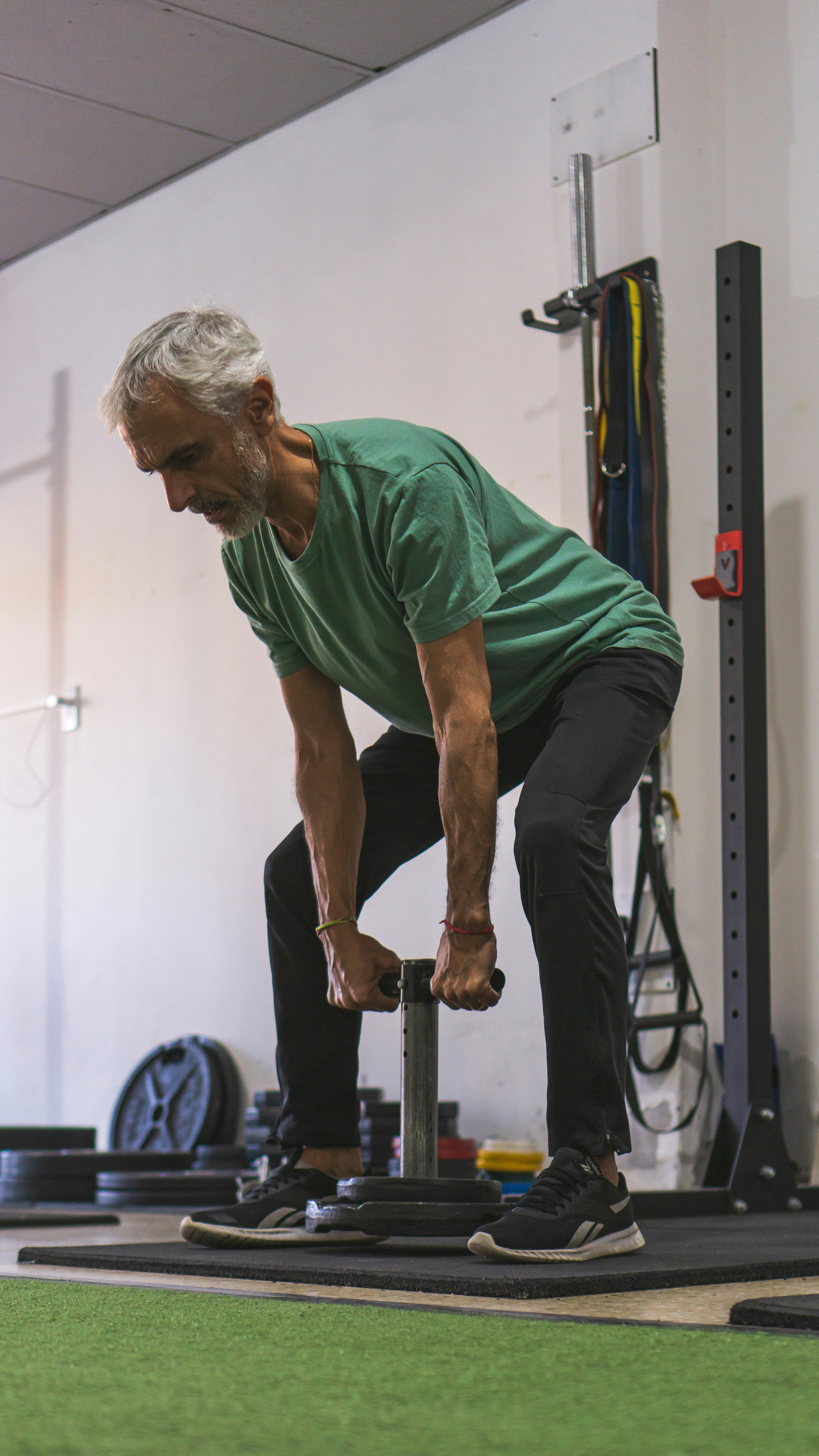
As individuals approach the age of 50, the body undergoes several physiological changes that can significantly affect overall health and quality of life. One of the most notable changes is sarcopenia, the gradual loss of muscle mass, which can lead to decreased strength and mobility. This process accelerates with age, making it increasingly important to incorporate strength training into one’s fitness regimen. Engaging in regular strength training can counteract these effects by promoting muscle hypertrophy and strength, thereby preserving functional independence.
In addition to muscle loss, older adults often experience reduced bone density, increasing the risk of fractures and osteoporosis. Strength training has been shown to enhance bone density through mechanical loading, leading to stronger bones. By focusing on resistance exercises, individuals can stimulate bone health, contributing to greater stability and reducing the likelihood of falls.
Moreover, strength training provides notable mental benefits that are equally critical as one ages. Research indicates that regular physical activity, especially strength exercises, can improve mood and reduce symptoms of anxiety and depression. The feeling of accomplishment associated with strength training can enhance self-esteem and confidence. Furthermore, the cognitive benefits associated with physical activity are profound; studies suggest that engaging in strength training may enhance memory and cognitive function, helping to maintain mental acuity.
Incorporating strength training into one’s lifestyle after the age of 50 can therefore provide a comprehensive approach to aging gracefully. The combination of physical and mental health benefits positions strength training as a foundational element in enhancing the overall quality of life for older adults. By committing to a regular strength training program, individuals can effectively combat the physiological changes of aging, leading to a healthier, more vibrant life.
Everyday Tasks That Benefit from Strength Training
Engaging in regular strength training is beneficial for individuals over 50, particularly when it comes to performing everyday tasks. One notable task that can benefit is climbing stairs. As people age, the ability to ascend and descend stairs can become challenging due to decreased muscle mass and joint pain. Strength training enhances muscle strength in the legs and core, providing the physical foundation necessary to navigate stairs with greater ease and stability.
Another common task requiring significant strength is carrying groceries. This activity often involves lifting and transporting heavy bags, which can be strenuous and pose a risk of injury if done improperly. By incorporating strength training into one’s fitness regimen, older adults can increase their overall body strength, enabling them to lift heavier bags comfortably and with reduced risk of strain. Enhanced grip strength also plays a critical role in carrying multiple grocery bags without discomfort.
Gardening is another everyday task that reaps the rewards of strength training. Many gardening activities, such as digging, planting, and weeding, require functional strength and endurance. Regular resistance training can improve both upper and lower body strength, facilitating these activities and promoting better posture and less fatigue. Consequently, gardening can become a more enjoyable and less physically taxing hobby.
Finally, playing with grandchildren is an invaluable activity that also benefits from enhanced strength. Children are often energetic and require adults to keep up with their spirited games. A stronger body not only supports the physical demands of running, bending, and lifting but also contributes to better balance and injury prevention. Thus, adults who maintain their strength can actively engage in play, fostering connections with younger generations and enhancing overall quality of life.
Tips for Starting a Strength Training Routine
Initiating a strength training routine after the age of 50 can lead to numerous benefits, enhancing both physical and functional capabilities. To begin, it is crucial to choose exercises that focus on functional movements, which are vital in performing everyday tasks. For instance, exercises like squats, lunges, push-ups, and seated rows can significantly improve your capacity to carry groceries, climb stairs, or rise from a chair with ease.
Setting realistic and achievable goals is another fundamental aspect of starting a strength training regimen. Initially, aim for mild increases in strength or endurance, which allows the body to adapt to new challenges without excessive strain. Consider starting with two to three sessions per week, incorporating a variety of exercises targeting major muscle groups, and progressively increasing intensity as comfort levels improve.
Integrating flexibility and balance training is equally important for individuals over 50. Activities such as yoga or Pilates complement strength exercises by improving flexibility, enhancing posture, and lowering the risk of falls. Prioritizing these aspects ensures a well-rounded fitness program that maintains overall health and functionality.
Safety should be a top priority. It is advisable to consult a healthcare professional or a certified personal trainer before starting any new exercise program, particularly if there are pre-existing health concerns. Always pay attention to your body’s signals—if an exercise causes pain or discomfort, it is essential to stop and seek advice. Incorporating rest days into your routine is equally important to allow your muscles adequate recovery time. Gradual progressions—whether in weight, repetitions, or exercise complexity—will help prevent injuries and foster a sustainable strength training practice.
FAQs about Strength Training After 50
As individuals reach the age of 50 and beyond, questions often arise regarding the safety and efficacy of strength training. One common inquiry is, “Is it too late to start strength training?” The answer is a resounding no. Research indicates that older adults can greatly benefit from initiating strength training, regardless of their previous exercise history. Strength training can enhance muscle mass, bone density, and overall mobility, making it a valuable pursuit at any age.
Another frequent question pertains to the frequency of workouts. Older adults are often advised to engage in strength training exercises at least two to three times per week. This frequency allows for adequate recovery time while still promoting muscle growth and endurance. It is essential, however, to listen to one’s body and consult with a healthcare provider or fitness professional to develop a personalized routine that aligns with individual fitness levels and health conditions.
Many wonder if access to a gym is necessary to reap the benefits of strength training. While gyms offer specialized equipment and professional guidance, strength training can easily be adapted to be performed at home. Simple resistance exercises utilizing bodyweight, resistance bands, or household items can be just as effective. The focus should be on progressive overload, ensuring that the body is gradually challenged to enhance strength and performance.
In addition to addressing these common questions, it is crucial to highlight the plethora of advantages that strength training offers for older adults. Beyond physical improvements, strength training contributes to psychological well-being, reducing symptoms of anxiety and depression while fostering confidence in one’s physical capabilities. As one embarks on this fitness journey, consistently engaging in strength training can lead to a healthier, more active lifestyle.