
Protein and Strength Training After 50: How Much Do You Really Need?

Understanding the Role of Protein in Muscle Health
Protein plays a critical role in muscle health, especially for individuals over the age of 50. As aging occurs, there is a natural decline in muscle mass and strength, a process known as sarcopenia. This loss can significantly affect mobility, balance, and overall quality of life. Thus, ensuring adequate protein intake becomes essential for preventing such declines and maintaining muscle integrity during these years.
Protein contributes to muscle repair and growth in several ways. When muscles undergo stress from activities such as strength training or everyday movements, protein acts as a building block to repair the damaged fibers. This process not only aids in recovery but also promotes muscle hypertrophy, enhancing overall muscle strength. For seniors, the recommended protein intake is often higher than that for younger adults due to the body’s decreased ability to synthesize protein effectively. Typically, experts suggest that adults over 50 aim for approximately 1.0 to 1.2 grams of protein per kilogram of body weight per day.
Research supports the notion that higher protein consumption is linked to better muscle health in older adults. A study published in a leading nutrition journal emphasized that individuals over 60 who consumed adequate protein were better able to maintain their muscle mass compared to those with lower intakes. Similarly, nutritionists often recommend sourcing protein from a variety of foods, including lean meats, poultry, fish, eggs, dairy products, legumes, and nuts, to ensure a balanced intake of essential amino acids that support muscle repair and growth.
Understanding the unique protein requirements for individuals over 50 can empower them to take proactive steps toward maintaining their muscle health. By incorporating sufficient protein into their daily diets, aging adults can mitigate the effects of sarcopenia and enhance their overall physical well-being.
Strength Training: Benefits for Older Adults
Strength training, often overlooked in discussions around fitness for older adults, plays a critical role in promoting overall health and well-being for those over 50 years of age. As individuals age, they naturally experience a decline in muscle mass and strength, a condition known as sarcopenia. Engaging in regular strength training can significantly mitigate these effects, helping to preserve and even build muscle mass. By incorporating resistance exercises into their routine, older adults can counteract the age-related decline in strength and mobility.
Furthermore, strength training contributes to improved bone density, which is crucial for preventing osteoporosis in older adults. The weight-bearing nature of these exercises stimulates bone formation, thereby enhancing skeletal integrity. Alongside these benefits, strength training has been shown to improve balance and coordination, which are vital for reducing the risk of falls—a common concern among the aging population. By enhancing functional strength, older adults can maintain their independence and perform daily activities with confidence.
Guidelines suggest that older adults should engage in strength training at least two days per week, focusing on major muscle groups such as the legs, back, chest, and arms. Exercise types can vary, including bodyweight exercises, resistance bands, or free weights, ensuring that individuals can choose modalities that suit their fitness level and preferences. Safety is paramount; thus, it is advisable to consult with a healthcare provider or fitness professional prior to starting a new exercise program to ensure that the exercises are appropriate and safely performed.
Incorporating strength training into regularly scheduled fitness routines can create profound benefits in health, mobility, and longevity for those over 50, fostering a more active and fulfilling lifestyle.
How Much Protein Do You Really Need After 50?
As individuals age, especially after the age of 50, their protein needs tend to change due to various factors, including muscle mass decline, activity levels, and health conditions. The recommended daily protein intake for older adults is generally around 1.0 to 1.2 grams of protein per kilogram of body weight. For example, a sedentary person weighing 70 kilograms would require approximately 70 to 84 grams of protein daily. However, those who engage in regular strength training or have higher levels of physical activity may benefit from intakes closer to 1.2 to 1.5 grams per kilogram.
It is important to consider that factors such as body weight, sex, and specific health conditions, such as chronic diseases or recovery from surgery, can affect these protein requirements. Moreover, the source of protein can also impact its effectiveness in maintaining muscle mass and promoting recovery. Common dietary sources include lean meats, fish, eggs, dairy products, legumes, nuts, and seeds. Incorporating a variety of these sources can help ensure adequate intake of essential amino acids.
For older adults who lead a sedentary lifestyle, it is vital to understand how to gradually increase protein intake without significant dietary changes that might be overwhelming. Simple strategies for adding protein include incorporating Greek yogurt into breakfast, adding beans to salads, and choosing lean cuts of meat for dinner. Active individuals can further enhance their protein consumption by utilizing protein shakes or bars around their workouts.
Ultimately, tailoring protein intake based on individual lifestyles, health status, and fitness goals is crucial to optimizing the benefits of strength training for older adults. By understanding personalized protein needs, older adults can support their muscular health and overall fitness effectively.
Frequently Asked Questions about Protein and Strength Training After 50
As individuals age, questions regarding protein intake and its role in strength training become increasingly vital. Below, we address some common queries that can help clarify the importance of protein for adults over 50.
What are the best sources of protein?
The best sources of protein include a combination of animal-derived and plant-based options. Lean meats such as chicken, turkey, and fish are excellent choices, alongside dairy products like Greek yogurt and cottage cheese. For those following a plant-based diet, beans, lentils, tofu, and quinoa provide substantial protein levels. Incorporating a variety of these sources can ensure a balanced intake of essential amino acids.
How can older adults ensure they are getting enough protein?
Older adults should focus on incorporating protein into every meal and snack. Each meal might aim for around 20-30 grams of protein, which can typically be achieved with a serving of meat, dairy, or legumes. Additionally, tracking protein intake using apps or dietary journals can help individuals meet their nutritional goals consistently.
Is it better to get protein from food or supplements?
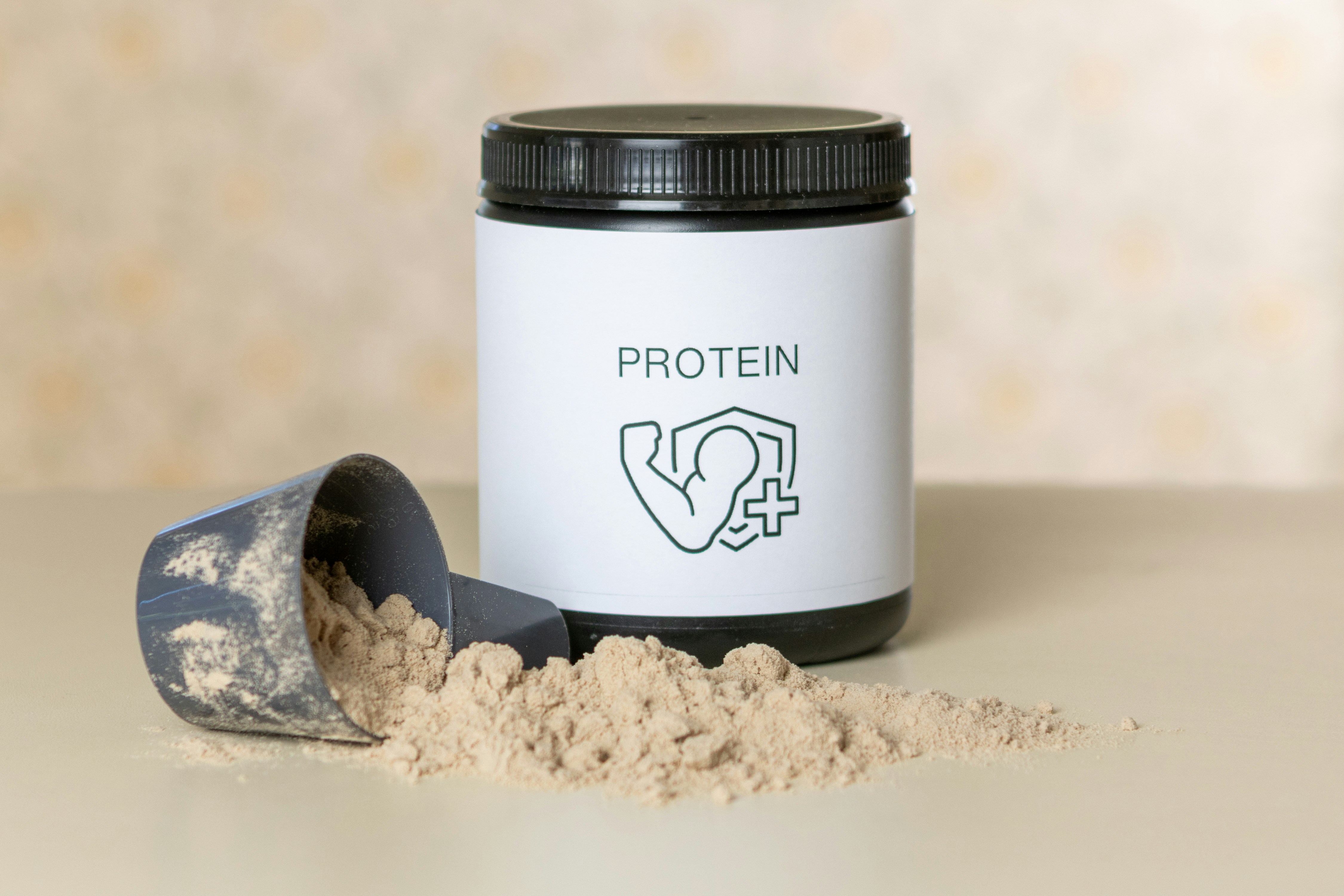
While protein supplements can be convenient, especially for those with dietary restrictions or those finding it difficult to consume enough protein from food alone, whole foods provide additional nutrients beneficial for overall health. Thus, it is generally recommended to prioritize protein intake from natural food sources, utilizing supplements as a secondary option if necessary.
How does protein intake affect recovery after workouts?
Protein plays a crucial role in muscle repair and recovery post-exercise. For individuals over 50, adequate protein intake can help mitigate age-related muscle loss and enhance recovery rates following strength training sessions. Experts suggest consuming protein within 30 minutes to two hours after a workout to optimize repair and muscle growth.
