

Optimal Weight Lifting Frequency for Those Over 50
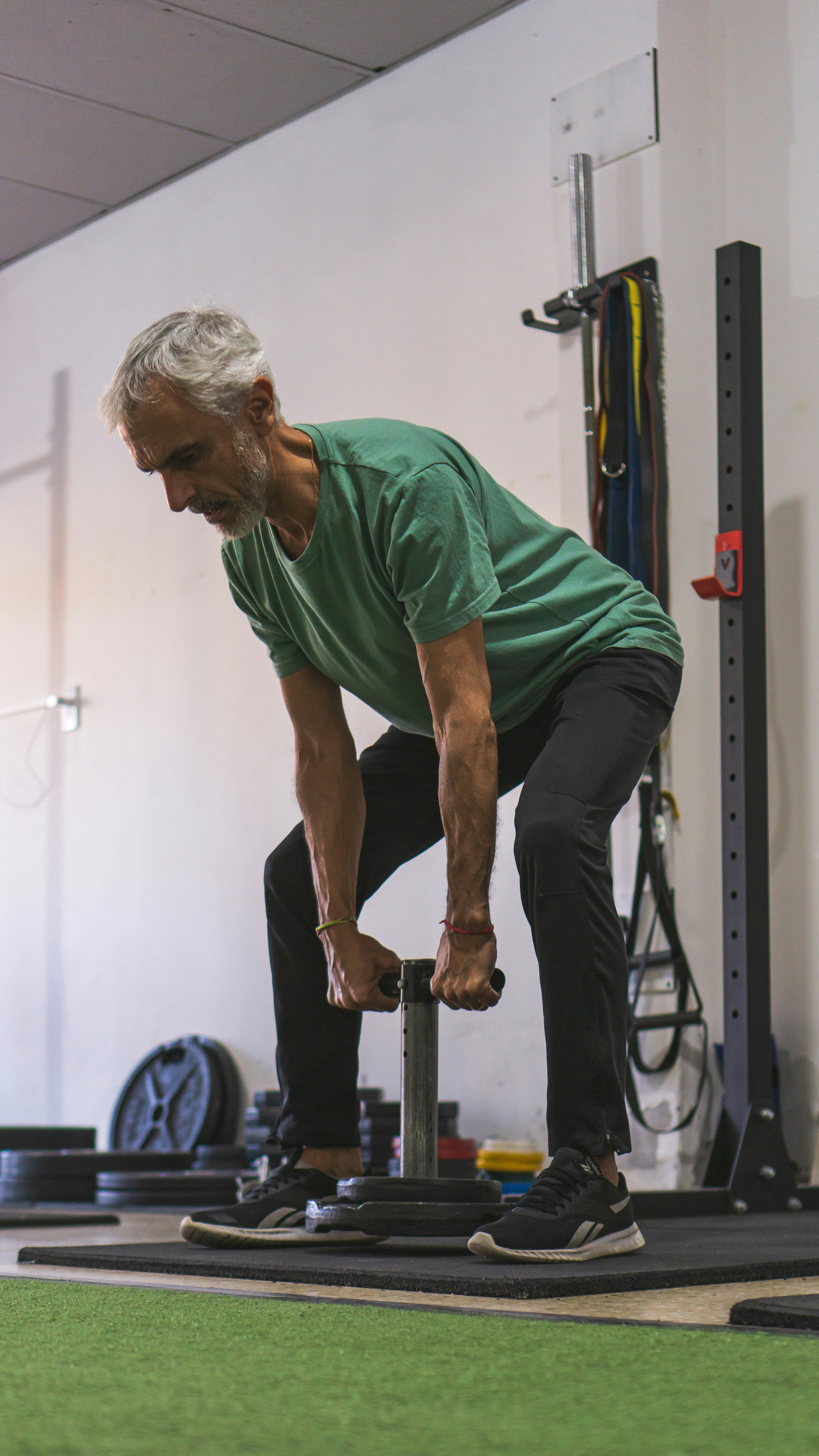

Understanding the Benefits of Weight Lifting After 50
As individuals age, particularly after the age of 50, the body undergoes significant physiological changes. Engaging in weight lifting, or resistance training, offers numerous benefits that are crucial for maintaining health and vitality during this stage of life. One of the primary advantages of weight lifting is its ability to enhance muscle mass. After 50, it is common to experience sarcopenia, a gradual loss of muscle mass, which can lead to weakness and reduced physical capacity. Resistance training serves to counteract this decline by promoting muscle growth and strength, allowing individuals to maintain their independence and improve their functional abilities.
Another vital benefit of weight lifting is its positive effect on bone density. Osteoporosis is a prevalent condition among the elderly, characterized by weakened bones that increase the risk of fractures. Weight lifting applies mechanical stress to the bones, stimulating bone formation and enhancing density. This is particularly important for individuals over 50, as preserving bone health can significantly reduce the likelihood of debilitating injuries.
Furthermore, engaging in regular resistance training has a broader impact on overall physical strength and endurance. Improved strength not only enhances daily activities, such as carrying groceries or climbing stairs, but it also contributes to better balance and coordination, reducing the risk of falls. Beyond physical health, there are substantial mental health benefits. Weight lifting has been shown to reduce symptoms of anxiety and depression, improve mood, and boost self-esteem. Regular physical activity triggers the release of endorphins, which are hormones associated with feelings of happiness and well-being. Thus, weight lifting is not merely a regimen for physical fitness; it can also enhance mental resilience.
Factors Influencing Weight Lifting Frequency
When considering an appropriate weight lifting frequency for individuals over 50, it is essential to identify several influential factors that play a crucial role in determining an effective training schedule. One of the primary considerations is an individual’s current fitness level. Those who have maintained a consistent exercise regimen prior to this age may have different lifting needs compared to individuals who are just beginning their fitness journey. For more seasoned lifters, adopting a frequency of three to four days a week may be beneficial, promoting muscle upkeep and strength without overwhelming the body.
Another significant factor is injury history. Many people over 50 may have a background of previous injuries, which can impact not only the type of exercises performed but also the frequency of lifting sessions. It is advisable to incorporate sufficient rest days into the schedule to allow for adequate recovery. For those with a history of joint issues or other injuries, lighter weights with increased repetitions over fewer days can be an effective strategy, promoting safety while still providing benefits.
Overall health, encompassing conditions such as cardiovascular health, osteoporosis, and other chronic ailments, should also factor into the decision of how many days a week to lift weights. Individuals with certain health risks may require a more cautious approach, potentially opting for two to three lifting days supplemented by additional activities like walking, swimming, or yoga for balanced fitness.
Lastly, fitness goals play a crucial role in determining weight lifting frequency. Aiming to build muscle mass may necessitate a different frequency than training for overall endurance or weight maintenance. Individuals focused on strength training may benefit from slightly higher frequencies that offer enough volume and intensity, whereas those prioritizing overall fitness might find satisfaction with fewer sessions each week.
Recommended Weight Lifting Schedule for Seniors
For seniors, establishing a weight lifting schedule requires a careful balance of safety and effectiveness. It is generally recommended that individuals over 50 engage in weight lifting at least two to three times per week. This frequency allows for ample strength-building while providing sufficient recovery time, which is crucial for older adults due to their increased recovery needs.
When planning these sessions, each workout should ideally last between 30 to 60 minutes. This duration is sufficient to accommodate a comprehensive routine focused on major muscle groups, which enhances overall strength and balance. It should include exercises for the legs, back, chest, and arms. For example, a typical session might involve circuit training with exercises such as squats, chest presses, and seated rows.
Intensity is another important consideration. Seniors should start with lighter weights to focus on form and technique before gradually increasing the weight. A good guideline is to select a weight that allows for 10 to 15 repetitions per exercise, aiming for a level of effort that feels challenging yet manageable. Additionally, incorporating exercises that improve flexibility, such as stretches and balance exercises, is crucial in a comprehensive program.
Recovery times are equally important, with one or two rest days between weight lifting sessions recommended. These rest days not only help muscles recover but also reduce the risk of injury, which is particularly pertinent for older adults. Furthermore, listening to the body is vital; if a workout feels too intense or fatiguing, adjusting frequency or intensity can prevent overexertion.
Overall, a structured yet flexible weight lifting program tailored to the individual’s abilities and preferences can promote health and vitality for seniors, encouraging them to remain active while minimizing risks associated with strength training.
Safety Considerations and Modifications in Training
For individuals over 50, engaging in weight lifting can enhance strength, improve mobility, and promote overall health. However, certain safety measures and modifications are crucial to ensure a safe and effective training regimen. Proper form is one of the most important aspects to consider. Maintaining correct posture during weight lifting is essential to prevent injuries, especially in the back, shoulders, and knees. Beginners or those returning after a hiatus should seek guidance from a qualified trainer to learn proper techniques.
When selecting equipment, it is advisable to choose weights that can be comfortably lifted without straining. Dumbbells, resistance bands, and machines are good options as they allow controlled movements and can be adjusted to suit individual needs. Additionally, incorporating stability balls or balance boards can enhance core strength and stability, which are particularly beneficial for older adults.
Warm-ups and cool-downs play a pivotal role in any exercise program, but they are particularly critical for those over 50. A proper warm-up should include light cardio, such as walking or cycling, followed by dynamic stretches to prepare the muscles for exertion. This practice can significantly reduce the risk of injuries. Likewise, cooling down through stretching after lifting weights helps to promote flexibility and aids recovery, minimizing muscle soreness.
Furthermore, individuals should listen to their bodies during exercise. Pushing through pain can lead to serious injuries that may impede one’s ability to maintain an active lifestyle. Modifying weight loads, adjusting the number of repetitions, or choosing alternate exercises can help accommodate changes in strength and flexibility as the body ages.
In conclusion, implementing these safety considerations and modifications can greatly enhance the experience of lifting weights for those over 50. By prioritizing proper technique, suitable equipment, and diligent warm-up and cool-down practices, individuals can enjoy the benefits of weight training while minimizing the risk of injury.
