
Optimal Full-Body Strength Training for Adults Over 50
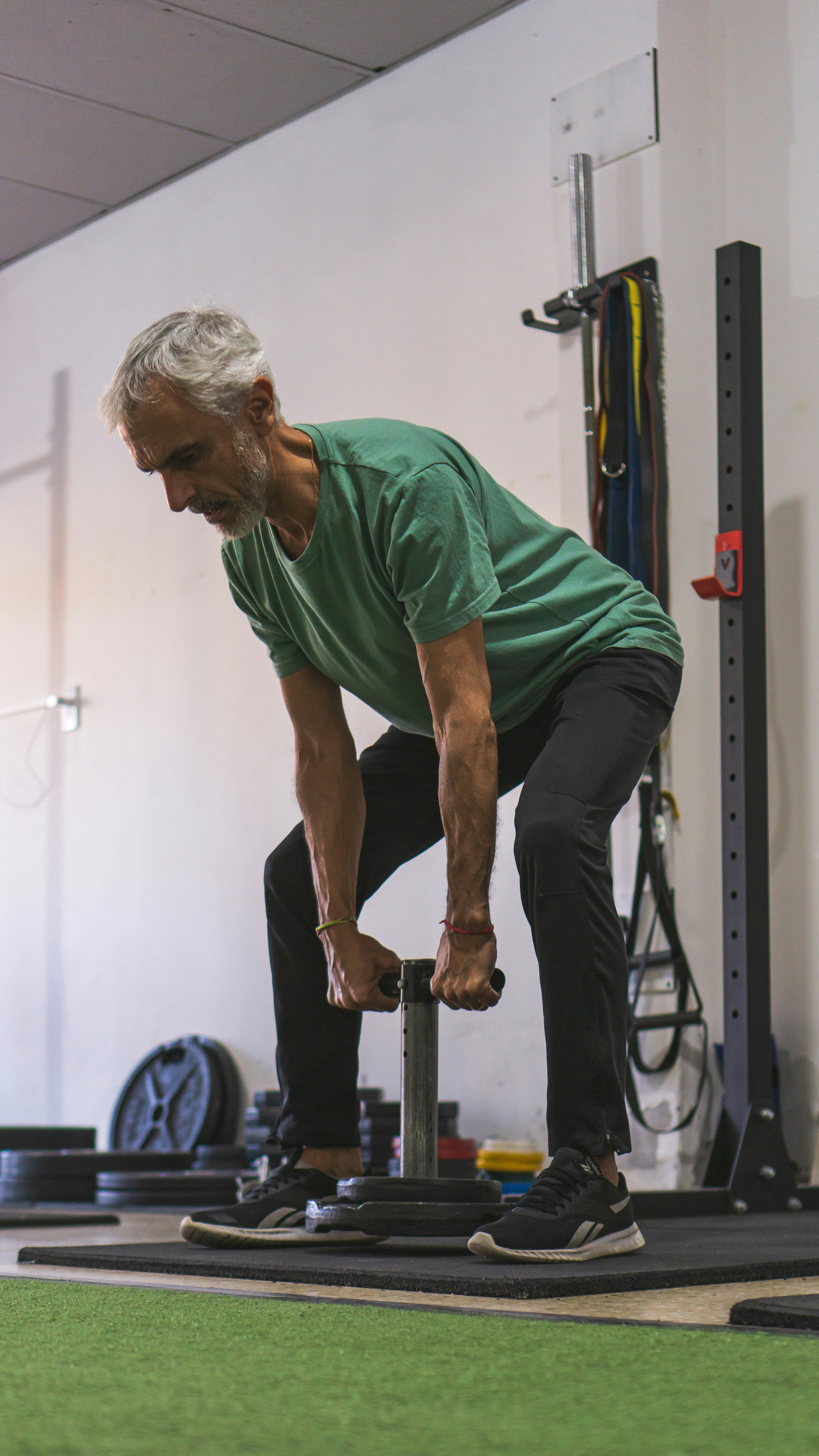
Understanding the Importance of Strength Training After 50
As individuals age, maintaining physical health becomes increasingly important. For adults over 50, strength training is not merely a choice but a necessity. Engaging in regular strength training exercises can yield numerous benefits that contribute to a healthier, more active lifestyle.
One of the most significant advantages of strength training for older adults is the improvement of muscle mass. As people age, there is a natural decline in muscle mass, a condition known as sarcopenia. Strength training effectively combats this decline by stimulating muscle growth and preserving existing muscle tissue. This increase in muscle mass is essential not only for enhancing physical function but also for promoting independence in daily activities.
Additionally, strength training plays a vital role in enhancing bone density. With age, the risk of osteoporosis increases, leading to fragile bones and a higher likelihood of fractures. By incorporating resistance exercises, older adults can improve their bone density, thereby reducing the risk of injury. This is particularly crucial for maintaining mobility and overall quality of life.
Moreover, strength training can significantly boost metabolism. As muscle mass increases, the body burns more calories at rest. This metabolic enhancement helps in weight management, which is essential for preventing chronic diseases such as diabetes, heart disease, and hypertension. A higher metabolic rate can also lead to increased energy levels, enabling older adults to engage more actively in various pursuits.
It is essential to address common misconceptions regarding aging and strength training. Many believe that older individuals should avoid weightlifting due to the risk of injuries. However, when done correctly and with appropriate supervision, strength training is safe and beneficial for adults over 50. Embracing a strength-training regimen can empower individuals to take control of their health and well-being as they age.
Key Principles of Full-Body Workouts for Older Adults
As adults reach the age of 50 and beyond, it is essential to tailor full-body workouts to meet their unique needs and abilities. The fundamental principles guiding these workouts focus on safety, effectiveness, and overall wellness. Prioritizing safety is paramount; individuals must be mindful of their physical limitations and any pre-existing medical conditions. It is advisable to consult with a healthcare provider before embarking on a new exercise regimen.
Another vital aspect is the incorporation of proper warm-up and cool-down strategies. A well-structured warm-up should include dynamic stretching and low-intensity movements to gradually increase heart rate and prepare muscles for more strenuous activity. Similarly, incorporating a cool-down phase with static stretches helps to facilitate recovery and enhance flexibility. These practices help mitigate the risk of injury and can also improve performance during workouts.
Balancing workout intensity with adequate recovery time is crucial. Older adults may benefit from moderate-intensity workouts that are engaging yet not overly taxing on the body. This approach allows for effective muscle engagement while ensuring that the body has sufficient time to recover. Listening to one’s body is an essential practice; it is critical to recognize signs of fatigue and adjust workout plans accordingly to avoid overexertion.
Moreover, variations to exercises can provide alternatives that meet individual fitness levels and goals. Modifications should be embraced as necessary to accommodate physical changes that can occur with age. Maintaining a focus on strength training not only fosters better physical health but also promotes mental well-being and confidence in one’s ability to engage in physical activities.
Through adherence to these principles, older adults can enjoy full-body workouts that are not only effective but also safe, sustainable, and adaptable to their evolving needs.
Best Exercises for a Full-Body Strength Workout
Engaging in a full-body strength workout can greatly benefit adults over the age of 50. As individuals age, it becomes increasingly important to maintain muscle mass, enhance functional strength, and improve overall stability and mobility. The following exercises are designed to be approachable while also allowing for modifications based on individual fitness levels.
1. Bodyweight Squats: Bodyweight squats are excellent for building strength in the legs and improving balance. Stand with feet shoulder-width apart, lower into a squat while keeping your chest up and knees behind your toes. Depending on fitness levels, squats can be modified with a chair for support or made more challenging by adding weight.
2. Push-Ups: This classic exercise strengthens the chest, shoulders, and triceps. Beginners can start with wall push-ups or incline push-ups using a sturdy surface like a countertop. As strength builds, progressing to traditional or even knee push-ups is encouraged. Proper form is key to preventing injury; ensure the body is in a straight line from head to heels.
3. Dumbbell Rows: Dumbbell rows target the back muscles, essential for maintaining good posture. With a dumbbell in one hand, hinge at the hips while keeping the back straight, and pull the weight towards your side. Modify by using a lighter weight or performing the exercise seated to reduce strain.
4. Standing Overhead Press: This exercise works the shoulders, arms, and core. Stand with feet shoulder-width apart, hold dumbbells at shoulder height and press them overhead while keeping the core tight. If weight feels too challenging, consider using resistance bands as an alternative.
5. Glute Bridges: Glute bridges are great for strengthening the posterior chain, benefiting the lower back and hips. Lie on your back with knees bent, feet flat on the ground, lift the hips towards the ceiling while squeezing the glutes. This can be modified by placing a weight on the hips for added resistance.
Including these exercises in a regular strength training routine can significantly impact health and well-being for those over 50. It’s crucial to listen to your body and adjust the intensity and volume based on personal feedback and comfort levels.
Creating a Weekly Strength Training Plan
Designing a strength training plan tailored for adults over 50 involves careful consideration of exercise selection, session structure, and recovery periods. The following plan provides a sample weekly schedule that optimally balances workouts with necessary rest while emphasizing safety and effectiveness.
Begin your week with a session focused on the upper body. Allocate 30 to 45 minutes for exercises such as seated rows, chest presses, and shoulder raises. Aim for two to three sets of 8 to 12 repetitions for each exercise, allowing ample time to maintain form and avoid injury.
The second day can shift focus to lower body workouts. Include exercises like squats, lunges, and leg presses, with a similar set and repetition range as the upper body day. It is crucial to ensure that proper techniques are utilized throughout these movements, particularly for those unfamiliar with strength training.
Incorporate a rest day on the third day to allow the muscles to recover. Recovery is essential for muscle growth and adaptation. During this rest day, consider engaging in light activities, such as walking or gentle yoga.
Following the rest day, resume training with a full-body workout session. This should include compound exercises such as deadlifts, push-ups, and kettlebell swings, incorporating a balance of both upper and lower body movements. This session can be slightly more intense, continuing to adhere to the two to three sets of 8 to 12 repetitions.
End the week with another rest day, followed by an engaging cardio session that can complement the strength training. Walking, swimming, or cycling for 30 to 60 minutes can improve cardiovascular health and contribute to overall fitness without overwhelming the muscles.
To track progress and stay motivated, consider keeping a workout journal that records the weights used, number of repetitions, and personal achievements. Gradually increasing the weight used or the number of repetitions each week can create a sense of accomplishment and encourage consistency in the long run. Remember, safe progressive overload is key to enhancing strength without risking injury.
