

Optimal First-Week Workout Plan for Adults Over 50

Understanding the Importance of Exercise for Older Adults
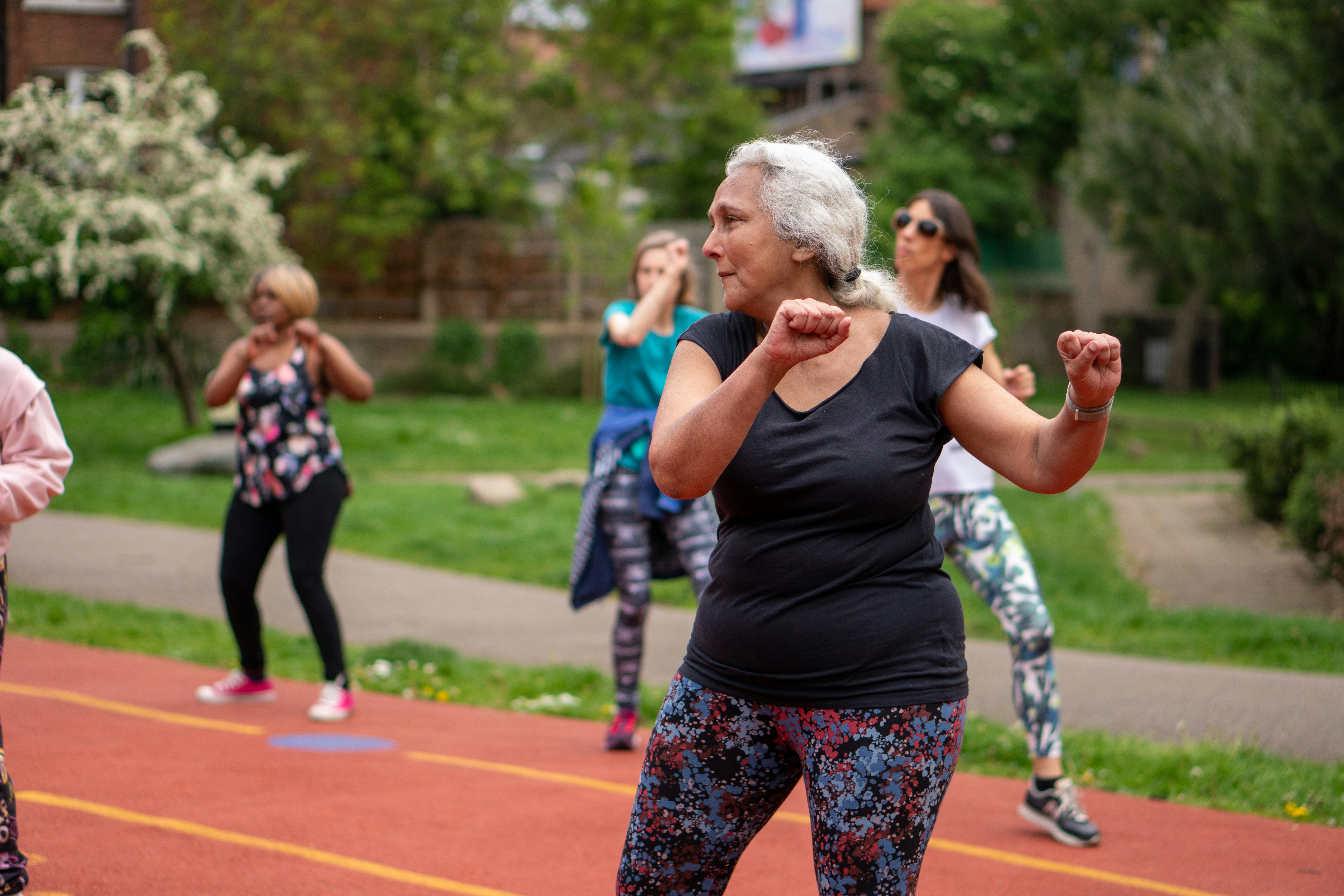
Maintaining an active lifestyle is crucial for adults over 50, as it significantly impacts both physical and mental health. Regular exercise is not merely a means to attain fitness but a vital component of overall well-being. Engaging in physical activity can lead to substantial improvements in cardiovascular health, wherein activities such as walking, swimming, or cycling can enhance heart function and blood circulation. These cardiovascular benefits are particularly important as individuals age, as they contribute to a reduced risk of heart disease and other related conditions.
Moreover, improving mobility is another key advantage of incorporating exercise into daily life. Strength and flexibility training help to counteract the natural decline in muscle mass and joint flexibility that occurs with aging. This increased mobility not only aids in performing daily tasks but also elevates one’s independence and quality of life. Furthermore, engaging in regular physical activity tends to support weight management, which is essential for reducing the risk of chronic illnesses.
In addition to the physical benefits, exercise also plays a significant role in enhancing mental health. Studies indicate that regular physical activity is linked to improved mood, reduced anxiety, and lower levels of depression. For older adults, establishing a routine of exercise can create opportunities for social interaction, which is beneficial in combating feelings of loneliness and isolation that some may experience.
Despite these benefits, there are several misconceptions surrounding exercise in later life. Some individuals may believe that they are too old to start working out or that exercise is inevitably harmful. However, it is crucial to understand that appropriate physical activities can be tailored to suit varying abilities and health conditions. By adopting a positive mindset toward fitness, older adults can overcome these barriers and embrace the myriad of health benefits that an active lifestyle provides.
Key Considerations Before Starting a Workout Plan
Embarking on a workout plan can significantly enhance the overall health and well-being of adults over 50. However, before commencing any physical activity regimen, several key factors must be taken into account to ensure safety and effectiveness.
First and foremost, it is imperative to consult with a physician. A healthcare professional can provide valuable insights into any pre-existing conditions or limitations that could influence the type and intensity of exercises suitable for an individual. This step is crucial for preventing injuries and optimizing the workout experience.
Next, assessing one’s current fitness level is essential. This evaluation not only includes understanding your capability to perform certain exercises but also involves reflecting on any previous physical activity. Tailoring a workout plan according to one’s abilities helps in establishing realistic goals and ensures sustained motivation throughout the regimen.
Moreover, recognizing physical limitations is vital. Adults over 50 may experience changes in strength, flexibility, and endurance, necessitating a personalized approach to working out. It is advisable to listen to your body and adjust the intensity and duration of workouts to avoid overexertion.
Additionally, starting slowly cannot be emphasized enough. Gradual progression in workout intensity allows for adaptation, which minimizes the likelihood of injuries. Engaging in low-impact activities such as walking or gentle stretching initially can be beneficial for easing into a more structured workout plan.
A comprehensive fitness program should also include adequate warm-ups and cooldowns. These components are essential for preparing the body for exercise and facilitating recovery afterward. Incorporating these practices can significantly reduce the risk of strains and injuries, making the workout both safe and enjoyable.
Sample First-Week Workout Schedule
Creating a well-structured workout plan is essential for adults over 50 to ensure both safety and effectiveness during exercise. The following schedule outlines a comprehensive first-week workout routine. This plan includes a variety of exercises that cover cardio, strength training, and flexibility, each tailored to meet the needs of mature adults.
Day 1: Cardio Focus
Begin with 20-30 minutes of brisk walking or cycling. This low-impact cardio session should be conducted at a pace that allows conversation without straining.
Day 2: Strength Training
Incorporate bodyweight exercises such as squats, modified push-ups, and seated leg lifts. Aim for 2 sets of 8-12 repetitions for each exercise, resting for 60 seconds between sets.
Day 3: Flexibility and Stretching
Dedicate this day to yoga or gentle stretching routines. Focus on major muscle groups, holding each stretch for 15-30 seconds. This will enhance flexibility and reduce muscle tension.
Day 4: Active Recovery
Engage in activities such as walking or light gardening for about 30 minutes, ensuring the body remains active while promoting recovery.
Day 5: Combined Cardio and Strength
Choose a mix of low-impact cardio (like swimming or cycling) for 20 minutes followed by light weightlifting or resistance band exercises targeting different muscle groups for 2 sets of 8-10 repetitions.
Day 6: Flexibility and Balance
Try Tai Chi or a balance-focused class, if available. Spend at least 20 minutes on exercises that encourage stability and joint health.
Day 7: Rest Day
Take a full rest day to allow muscles to recover, which is vital for progress and preventing injury.
Throughout the week, ensure adequate hydration and listen to your body’s signals. Adjust the intensity of the exercises as needed, always prioritizing safety and comfort. This structured workout plan will help promote physical well-being and encourage the continuation of an active lifestyle.
Tips for Maintaining Motivation and Consistency
Staying motivated during the initial week of a workout plan is crucial for individuals over 50 as they embark on their fitness journey. One effective strategy to maintain motivation is to set realistic and achievable goals. These goals should be specific, measurable, and time-bound, allowing for clarity in what one hopes to accomplish in both the short and long term. Setting small, incremental goals can help to build confidence and encourage consistent effort.
Finding a workout buddy can also significantly enhance motivation. Engaging in physical activities with a partner not only makes exercising more enjoyable but also fosters accountability. A workout buddy can provide encouragement and support, making it easier to overcome obstacles such as fatigue or lack of interest. This social interaction can make a substantial difference in sticking to a schedule and enhances the overall experience of working out.
Another strategy involves tracking progress. Keeping a fitness journal or using apps to log workouts, nutrition, and overall health can provide tangible evidence of advancement. Seeing improvements, no matter how small, reinforces the commitment to a healthy lifestyle. Additionally, it is beneficial to celebrate these small achievements, be it completing a workout session or feeling an increase in stamina. Acknowledging progress serves as a motivational boost and reinforces the benefits of maintaining an active routine.
Nevertheless, various barriers can impede consistency. Common challenges include time constraints, physical discomfort, or feelings of intimidation associated with beginning a new fitness regime. To address these barriers, it’s advisable to create a structured schedule that accommodates exercise into daily routines, start with gentle, low-impact activities that align with personal fitness levels, and seek supportive environments, such as community exercise programs specifically tailored for older adults.
By employing these strategies, individuals over 50 can navigate the initial week of their workout regimen effectively, promoting a sustained commitment to their fitness journey and enhancing overall well-being.
