
Optimal Cardio Workouts for Adults Over 50
Understanding Cardio and Its Importance
Cardiovascular exercise, commonly referred to as cardio, encompasses a wide range of activities that elevate the heart rate and increase blood circulation throughout the body. These exercises are crucial, particularly for adults over the age of 50, as they contribute significantly to overall health and wellness. Engaging in regular cardio workouts not only enhances heart health but also aids in maintaining a healthy weight, improving endurance, and even bolstering mental well-being.
As individuals age, the body’s cardiovascular fitness tends to decline. This can be attributed to various factors, including decreased physical activity levels, muscle loss, and changes in cardiovascular structure. Thus, understanding the importance of cardio becomes vital. It serves as a preventive measure against heart disease, hypertension, and other chronic conditions, which become more prevalent in later years. Moreover, cardio workouts can help manage weight effectively. Regularly incorporating activities like walking, cycling, or swimming can significantly aid in burning calories and managing body weight in a healthy manner.
Beyond the physical benefits, cardiovascular exercise also plays a pivotal role in enhancing mental health. Studies have shown that consistent cardio activity can lead to reductions in anxiety and depression levels, while also contributing to better sleep patterns. This is particularly beneficial for adults over 50, who may face various life changes that impact mental health. Furthermore, staying active helps maintain independence and improves the quality of life, allowing for greater social interactions and opportunities for engagement.
In conclusion, prioritizing cardiovascular exercise is essential for adults over 50. It supports vital health benefits, encourages active living, and ultimately leads to a more fulfilling and healthier life as one ages. Establishing a regular cardio routine can provide significant enhancements to both physical and mental well-being, making it an integral component of a comprehensive health strategy for older adults.
Types of Effective Cardio Workouts
As individuals age, maintaining cardiovascular fitness becomes increasingly important for their overall health and well-being. Engaging in regular cardio workouts can yield numerous benefits, including improved circulation, enhanced lung capacity, and better weight management. Several forms of cardio exercises are suitable for adults over 50, catering to diverse fitness levels and preferences.
Low-impact activities are especially beneficial for older adults, minimizing stress on the joints while still providing an effective workout. Walking is one of the simplest and most accessible forms of cardio exercise. It can be easily incorporated into daily routines and can be enjoyed in various environments, from parks to local neighborhoods. Another excellent low-impact option is swimming, which not only elevates the heart rate but also provides resistance training through water. This can help build strength without straining the body.
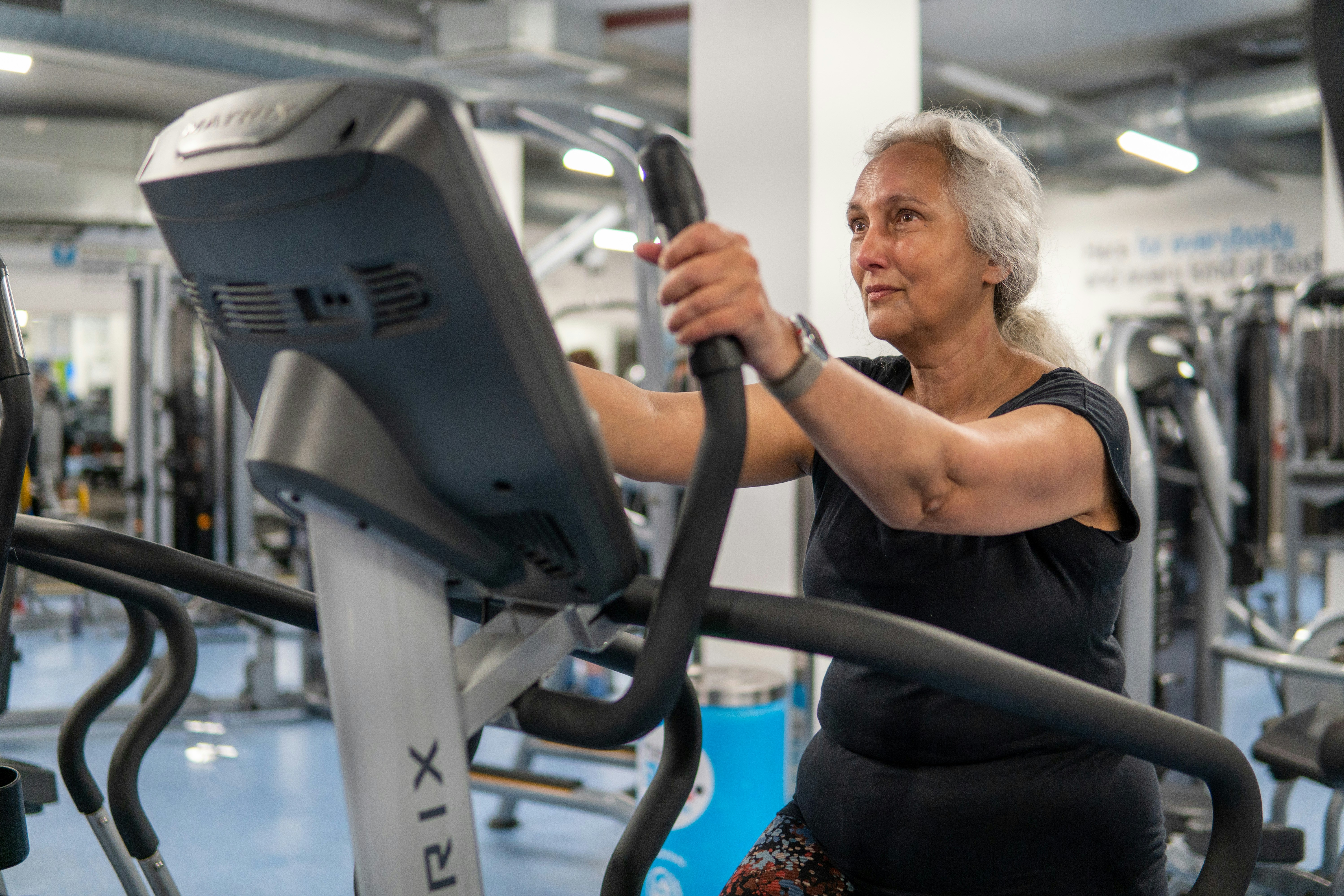
Cycling, whether on an upright bike or a recumbent bike, is another effective workout that enhances endurance and muscular strength while being gentle on the knees and hips. Elliptical machines also provide a great alternative for those preferring indoor workouts, offering a full-body exercise experience with minimal impact.
For those who may wish to pursue higher-intensity cardio workouts, jogging or interval training are feasible options. These exercises can be adapted to suit individual capacities, allowing participants to engage in shorter bursts of activity followed by rest periods. Interval training has been shown to improve cardiovascular fitness more effectively than steady-paced training.
In conclusion, a variety of cardio workouts are available that can be tailored to meet the needs of older adults. Whether one opts for low-impact activities or higher-intensity options, the key is to prioritize safety while ensuring that the workouts remain effective and enjoyable. Adapting workouts to fit personal fitness levels and preferences will lead to better adherence and promote long-term health gains.
Creating a Safe and Effective Cardio Routine
Developing a personalized cardio workout plan is crucial for adults over 50 who wish to maintain and enhance their cardiovascular health. A well-structured routine should take into account several factors including current fitness levels, pre-existing health conditions, and individual fitness goals. Understanding these elements allows for a more tailored and effective approach to cardio exercise.
To begin crafting a suitable cardio program, it is essential to assess your current fitness level. This might involve evaluating your endurance and strength through simple tests such as walking distances or using a stationary bike. Should any health concerns exist, or if you are returning to exercise after a long period, consulting a healthcare professional is strongly recommended. This not only ensures safety but also helps in identifying appropriate modifications that can be integrated into your workout.
Once you have a better understanding of your fitness level, aim to start gradually. Initiating a routine with short durations of moderate exercise, such as brisk walking or cycling, can help prevent injuries and build confidence. For most individuals, targeting 150 minutes of moderate-intensity aerobic activity per week is a proven guideline. However, this can be adjusted based on personal comfort and ability to progress.
Incorporating flexibility and strength training within the cardio routine is also vital. Integrative exercises, such as yoga or strength training sessions two to three times a week, not only support cardiovascular health but also enhance overall fitness, helping to prevent falls and maintain muscle mass. Always remember to allow your body to recover, listening to its signals and modifying intensity as needed.
Finally, regular assessments of progress are important. Keeping a journal or using fitness tracking apps can provide insights into improvements in stamina and overall well-being. These records also empower individuals to set new goals and celebrate their achievements. Safety should remain a priority; therefore, consider seeking guidance from fitness professionals or joining community programs designed for older adults.
Staying Motivated and Overcoming Challenges
Maintaining a consistent cardio regimen can pose significant challenges for adults over 50. Age-related changes in energy levels, joint health, and overall physical abilities may create barriers to regular cardiovascular exercise. However, these challenges can be addressed with effective strategies that enhance motivation and make fitness enjoyable.
One of the first steps in staying motivated is setting realistic and achievable goals. Instead of aiming for dramatic changes, individuals can focus on gradual improvements in their fitness levels. Goals such as walking for 30 minutes three times a week or gradually increasing the duration of cardio sessions can instill a sense of accomplishment, encouraging further progress. Tracking this progress using apps or journals can also provide valuable insights and reinforce the commitment to exercise.
Finding social support plays a crucial role in maintaining motivation. Engaging in group classes or partnering with workout buddies can foster a sense of camaraderie and accountability. Classes tailored to older adults not only offer guided instruction but also create a community atmosphere where like-minded individuals can share experiences and support one another.
Incorporating variety into cardio routines is essential for long-term adherence. Engaging in different types of cardiovascular activities—such as swimming, cycling, aerobics, or hiking—prevents monotony and keeps workouts fresh and exciting. Additionally, varying the location or environment where exercises are performed can enhance the enjoyment and stimulate interest in cardio practices.
Understanding that motivation may fluctuate over time can also foster resilience. It is crucial for adults over 50 to be gentle with themselves and recognize that taking breaks is a part of the journey. Developing a mindset that embraces flexibility allows for adjustments in workout routines, ensuring sustained engagement with cardiovascular health.
