
Maximizing Your Fitness: Walking After 50
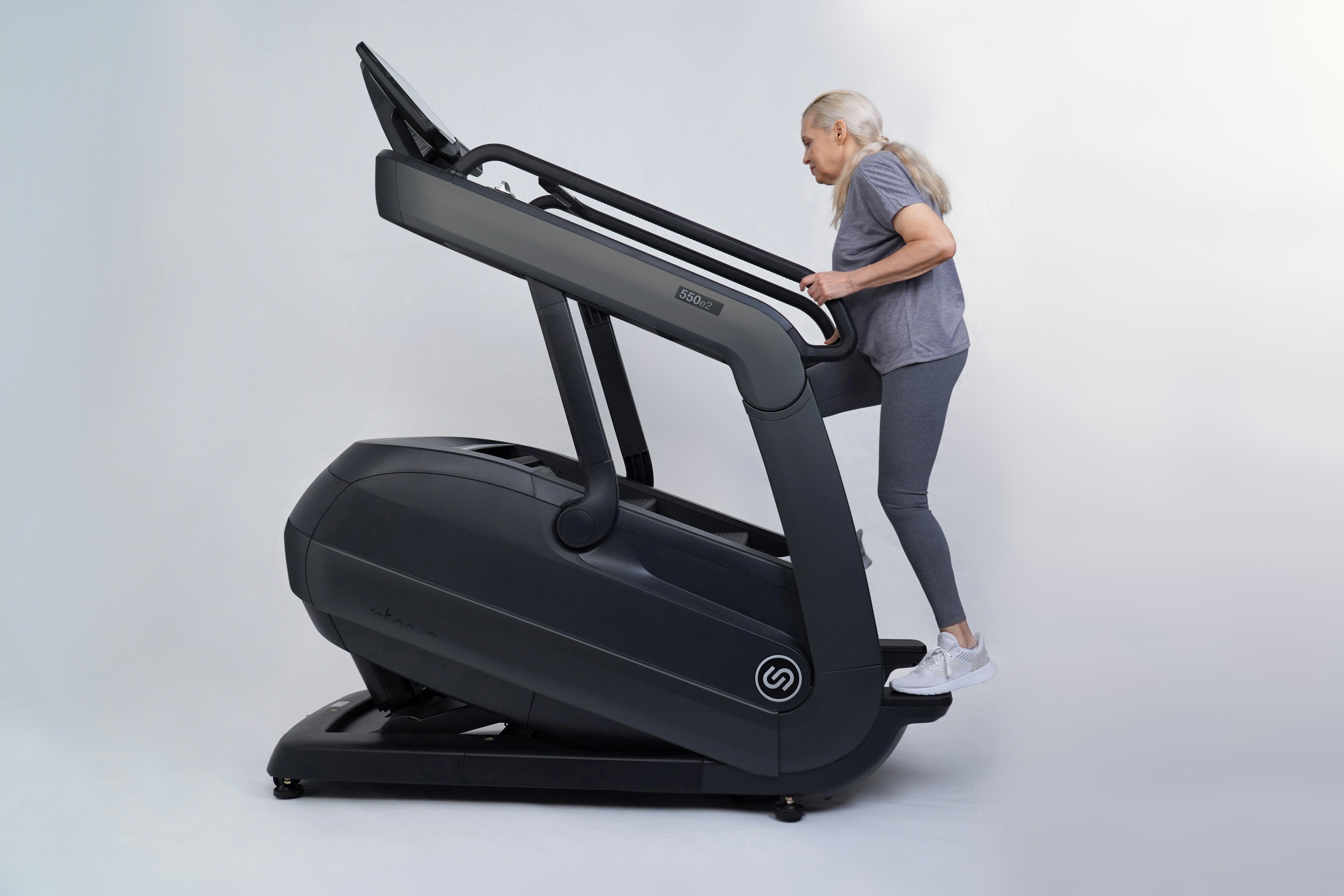
The Benefits of Walking for Fitness After 50
As individuals age, maintaining an active lifestyle becomes increasingly important for both physical and mental wellness. Walking, a simple yet effective form of exercise, offers a myriad of health benefits for those over 50. Not only is walking accessible to most, but it also provides significant advantages that contribute to overall well-being.
One of the primary benefits of walking is its positive impact on cardiovascular health. Regular walking helps improve heart function, lower blood pressure, and enhance circulation. Studies have shown that engaging in moderate aerobic activities, such as walking, can reduce the risk of heart disease, which becomes a critical concern as individuals age. The American Heart Association recommends regular walking as a way to maintain heart health.
Additionally, walking can enhance mental well-being, an aspect often overlooked. Research indicates that individuals who engage in regular walking tend to experience lower levels of stress, anxiety, and depression. Walking stimulates the release of endorphins, which are known to boost mood and promote feelings of happiness. For older adults, incorporating walking into their daily routine not only fosters physical health but also supports cognitive function, contributing to a sharper mind and improved memory.
Joint mobility is another crucial benefit of walking for older adults. Regular walking helps to maintain joint flexibility and can alleviate symptoms of arthritis and joint pain. It encourages the production of synovial fluid, which lubricates the joints and enhances overall mobility. Furthermore, walking is a low-impact exercise that reduces the risk of injury typically associated with more strenuous activities.
Finally, walking is an effective tool for weight management. As metabolism slows with age, incorporating regular walking can help control body weight and reduce fat. A consistent walking regimen encourages calorie expenditure, which, combined with balanced nutrition, can lead to healthier body composition.
Incorporating walking into daily life is a safe and feasible way for individuals over 50 to enhance their overall fitness. The health benefits of walking are well-documented and underscored by research, making it an essential activity for maintaining longevity and quality of life.
Determining How Far to Walk
When considering fitness walking after the age of 50, it is crucial to establish appropriate distances based on personal factors such as age, fitness level, and specific health goals. Walking is a low-impact exercise that can be adapted to various abilities, making it accessible for both beginners and those more experienced in physical activity.
For individuals just starting out, a distance of 10 to 15 minutes of walking can be an excellent initial target. This duration allows newcomers to build stamina without overwhelming themselves. As one’s fitness level improves, the distance can gradually be increased. For many, a goal of walking for 30 minutes a day is both beneficial and realistic, often equating to approximately 1.5 to 2 miles, depending on the pace.
It is also necessary to adjust walking distances according to one’s overall health condition. For those with existing ailments or concerns, it’s wise to consult a healthcare provider before embarking on a new walking regimen. Starting slowly and allowing the body time to adapt is essential. For example, individuals with joint issues may benefit from shorter, more frequent walks to avoid discomfort.
Setting achievable goals is fundamental in any fitness program. Goals should be specific, measurable, and tailored to the individual’s circumstances. Utilizing the SMART criteria (Specific, Measurable, Achievable, Relevant, Time-bound) can help in formulating these goals. This approach ensures that the goals are not only realistic but also motivating, fostering a positive outlook toward walking.
In summary, determining how far to walk after 50 involves a careful consideration of one’s fitness level, health conditions, and personal goals. Starting with manageable distances and gradually increasing them paves the way for longer walks, contributing to enhanced health and well-being over time.
Finding the Right Walking Pace
Determining the appropriate walking pace is crucial for individuals over 50 striving to maintain their fitness levels and overall health. Walking at the right speed can significantly enhance the effectiveness of your exercise routine, ensuring both safety and benefits. A good pace allows for effective cardiovascular exercise while reducing the risk of injury.
To find your optimal walking speed, it is essential to listen to your body. One effective method is to monitor your heart rate. For most individuals, a moderate walking pace should elevate the heart rate to about 50-70% of your maximum. To calculate your maximum heart rate, subtract your age from 220. For example, if you are 60 years old, your estimated maximum heart rate would be 160 beats per minute. A moderate intensity would thus target a heart rate between 80 to 112 beats per minute.
Another method for gauging pace is the perceived exertion scale, which is a subjective measure of how hard you feel your body is working. On a scale from 1 to 10, where 1 is very light activity and 10 is maximal effort, aim for a level around 3 to 5 to maintain a good walking pace that is sustainable yet beneficial.
It is also beneficial to consider individual fitness levels when adjusting your walking pace. If starting out, it may be more advantageous to begin at a slower pace, gradually increasing speed as your endurance improves. Incorporating intervals into your walking regimen—alternating between brisk walking and a moderate pace—can provide additional cardiovascular benefits. For instance, walking faster for one minute and then slower for two can help in building stamina and improving overall fitness. Acclimating to these practices can take time, but the focus should be on consistency and gradually making advances.
Establishing a Walking Routine: Frequency and Duration
As individuals age, particularly after the age of 50, it becomes essential to maintain a healthy lifestyle, with walking serving as an ideal form of exercise. To achieve optimal fitness through walking, establishing a routine that emphasizes both frequency and duration is crucial. Experts suggest aiming for at least 150 minutes of moderate-intensity walking each week. This translates to approximately 30 minutes per day, five days a week, which can be easily integrated into one’s daily life.
When developing a walking schedule, it is important to consider not only how often one walks but also how long each walking session lasts. Starting with shorter walks, around 10-15 minutes, can be an excellent way to gradually build up endurance and avoid injury. Over time, participants can aim to increase both the duration and frequency of their walks. For optimal results, this routine can be broken down into manageable segments throughout the day, making it easier to stay consistent.
Consistency is key in any fitness regimen. Thus, committing to a regular walking schedule helps develop a habit that encourages ongoing motivation. It may also be beneficial to incorporate variations in the pace and intensity of walks, such as choosing different routes or including intervals of brisk walking. This not only keeps the routine interesting but also adds a challenge, which can enhance cardiovascular benefits.
To further encourage regular walking, individuals should set achievable goals and track their progress. Creating a weekly walking plan can aid in visualizing progress and maintaining motivation. Utilizing tools like walking apps or pedometers can help individuals remain focused and motivated, as they can see tangible results from their efforts. Furthermore, partnering with friends or joining community walking groups can provide social support and make the experience more enjoyable. By establishing a structured walking routine that emphasizes frequency and duration, individuals can significantly bolster their fitness as they age.
