
High Cortisol good or bad?
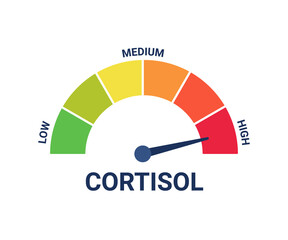

Cortisol: Benefits, Risks, Long-Term Effects, and How to Lower It Naturally
Introduction
Cortisol is one of the most important hormones in the human body. It helps regulate stress, blood sugar, blood pressure, inflammation, energy, and metabolism, but when cortisol stays elevated for too long, it can contribute to serious health problems. Understanding how cortisol works, what happens when it is too high, and how to lower it naturally can help you protect both your physical and mental health.
This guide covers the benefits of cortisol, the risks of chronic high cortisol, the long-term effects of prolonged stress, and the best natural ways to bring cortisol back into balance.
What Is Cortisol?
Cortisol is a steroid hormone produced by the adrenal glands. It is often called the “stress hormone,” but that description only tells part of the story. Cortisol also helps your body wake up in the morning, respond to danger, control inflammation, and maintain normal energy levels throughout the day.
Your cortisol levels naturally follow a daily rhythm. They are usually highest in the morning and lower at night. This pattern supports alertness during the day and sleep at night. When this rhythm is disrupted, it can affect mood, energy, appetite, sleep, and overall health.
What Are the Benefits of Cortisol?
Cortisol is not bad by itself. In normal amounts, it is essential for healthy body function. Short-term cortisol increases can help you:
- Stay alert and focused during stressful situations.
- Maintain healthy blood sugar levels.
- Support normal blood pressure.
- Control inflammation.
- Mobilize energy for physical and mental demands.
- Help the body recover from brief stress.
Without cortisol, the body would struggle to handle daily stress and maintain balance.
What Causes High Cortisol?
Cortisol can rise for many reasons. Some increases are temporary and normal, but chronic elevation becomes a problem when stress never really turns off. Common causes of high cortisol include:
- Chronic emotional stress.
- Poor sleep or irregular sleep schedules.
- Overtraining or inadequate recovery from exercise.
- Excess caffeine intake.
- Blood sugar instability.
- Certain medications.
- Medical conditions such as Cushing syndrome.
The problem is usually not one stressful event. It is repeated stress without enough recovery.
Symptoms of High Cortisol
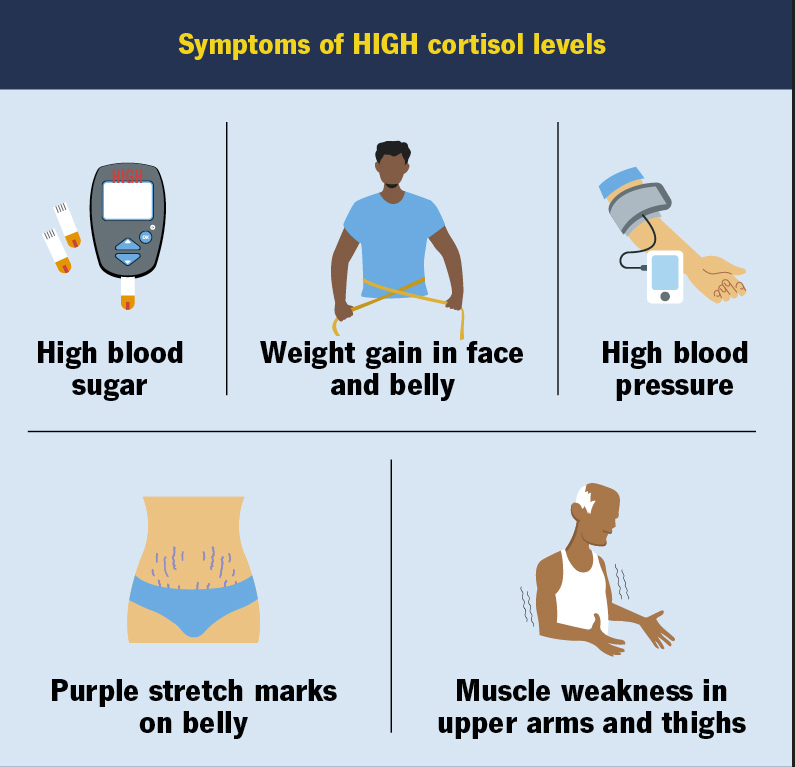
High cortisol can show up in both physical and mental symptoms. Common signs include:
- Belly fat or weight gain around the midsection.
- Trouble falling asleep or staying asleep.
- Anxiety, irritability, or restlessness.
- Cravings for sugar or salty foods.
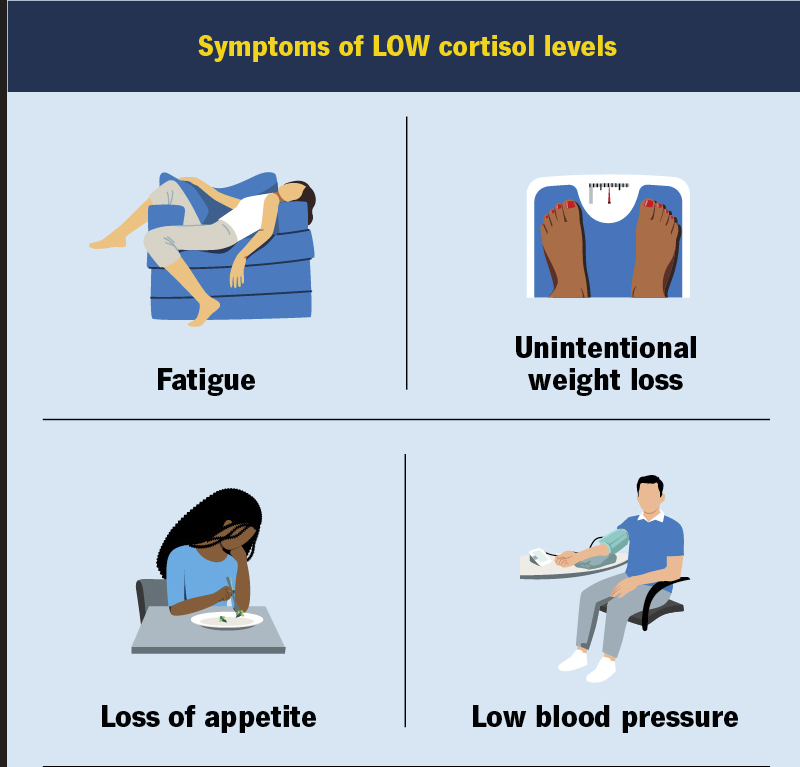
- Fatigue despite enough time in bed.
- Brain fog or trouble concentrating.
- High blood pressure.
- Weakness or loss of muscle.
- Frequent illness or slower recovery.
These symptoms do not always mean cortisol is the cause, but they can be a clue that stress is affecting the body too heavily.
Long-Term Effects of Prolonged High Cortisol
If cortisol stays high for a long time, it can negatively affect many systems in the body. Chronic high cortisol may contribute to:
- Increased abdominal fat.
- Insulin resistance and blood sugar problems.
- Higher risk of type 2 diabetes.
- Elevated blood pressure.
- Higher risk of heart disease.
- Poor sleep quality.
- Mood changes such as anxiety or depression.
- Reduced immune function.
- Muscle loss and slower recovery.
- Weaker bones over time.
- Memory problems and reduced mental sharpness.
In severe cases, very high cortisol may indicate a medical condition such as Cushing syndrome, which requires medical care.
How to Lower Cortisol Naturally
There is no single fix for high cortisol. The best approach is to support your body with consistent habits that reduce stress and improve recovery.
Prioritize Sleep
Poor sleep can raise cortisol and make it harder for your body to recover. Aim for a consistent sleep schedule, a dark room, and enough total sleep each night. Reducing screen time before bed can also help.
Exercise Regularly, But Recover Well
Exercise is one of the best tools for managing stress, but too much intense training without rest can backfire. Moderate exercise, strength training, walking, and active recovery can help lower stress over time.
Practice Stress Management
Relaxation techniques can help calm the nervous system. Helpful options include:
- Deep breathing.
- Meditation.
- Yoga.
- Prayer.
- Journaling.
- Time outdoors.
Even 10 minutes a day can make a difference if done consistently.
Eat Balanced Meals
Stable blood sugar helps support more stable cortisol. Focus on meals that include protein, fiber, healthy fats, and whole-food carbohydrates. Try to reduce excessive sugar, skipped meals, and highly processed foods.
Limit Excess Caffeine and Alcohol
Too much caffeine can make stress symptoms worse and interfere with sleep. Alcohol can also disrupt sleep quality and recovery, which may keep cortisol higher.
Build Recovery Into Your Schedule
Your body needs downtime to stay balanced. Rest days, breaks during the workday, social connection, and relaxing hobbies all help lower the overall stress burden.
When to See a Doctor
If you have symptoms such as rapid unexplained weight gain, muscle weakness, purple stretch marks, easy bruising, high blood pressure, or ongoing fatigue, it is important to speak with a healthcare professional. These symptoms may point to a hormone imbalance or another medical issue that should be evaluated.
FAQ About Cortisol
What is cortisol in simple terms?
Cortisol is a hormone made by the adrenal glands that helps the body manage stress, energy, blood sugar, and inflammation.
Is cortisol bad for you?
No. Cortisol is necessary for life and normal body function. It only becomes harmful when it stays too high for too long.
What are signs of high cortisol?
Common signs include belly fat, sleep problems, anxiety, cravings, fatigue, high blood pressure, and brain fog.
How do I lower cortisol fast?
Deep breathing, a walk, hydration, reducing caffeine, and getting better sleep can help calm stress quickly. Long-term balance comes from lifestyle changes.
Can exercise lower cortisol?
Yes, regular exercise can help lower stress over time. However, overtraining may raise cortisol, so recovery matters.
Does poor sleep raise cortisol?
Yes. Poor sleep can increase cortisol and make it harder for the body to recover from stress.
Can high cortisol cause weight gain?
Yes. Chronic high cortisol is linked to increased appetite, belly fat, blood sugar problems, and difficulty losing weight.
What is the best natural way to balance cortisol?
The best approach is a combination of good sleep, regular exercise, stress management, balanced nutrition, and enough recovery time.