Footwear and Balance Training: How Your Shoes Influence Stability, Mobility, and Progress
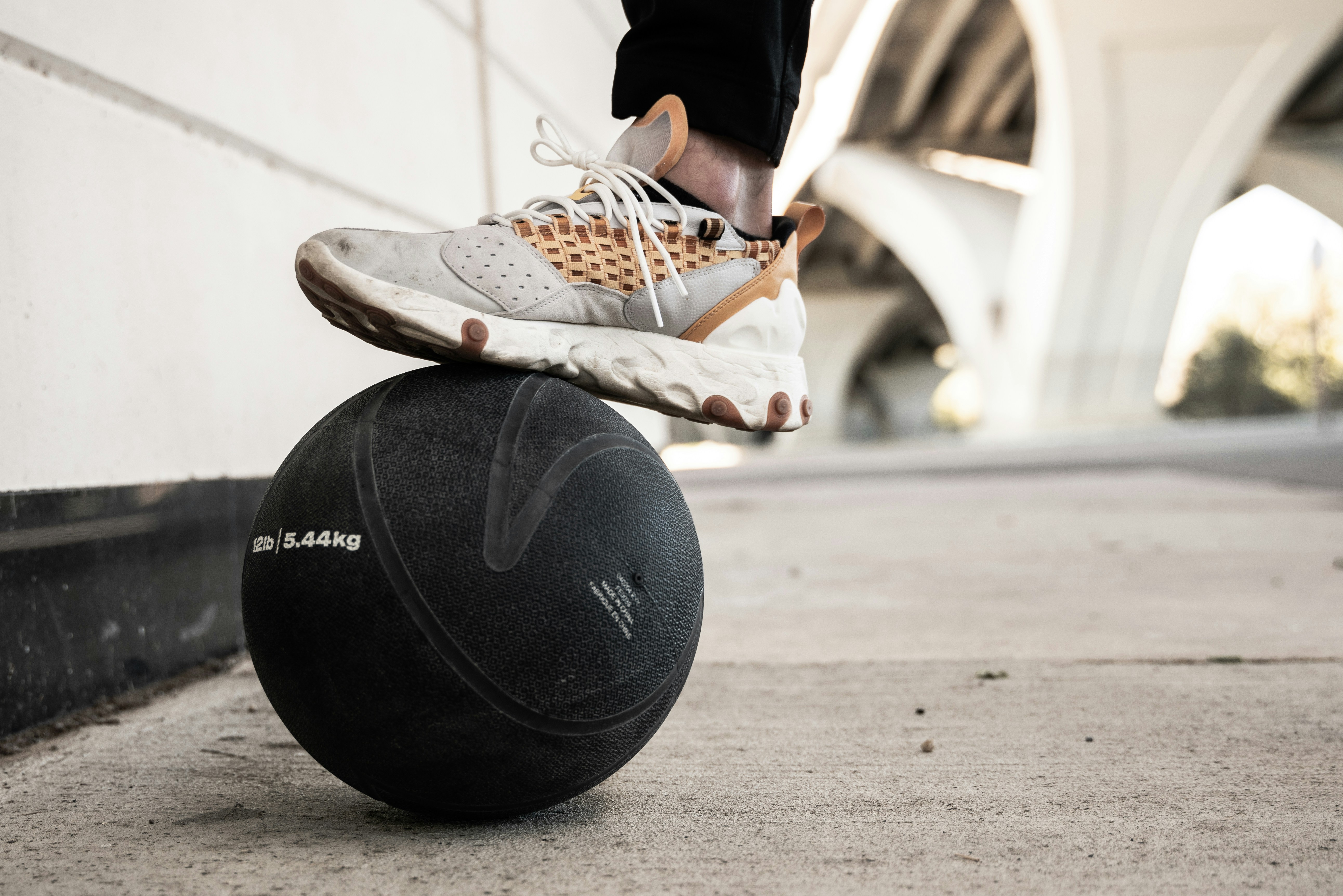
The feet are the first point of contact between the body and the ground, so they provide important information for balance training. Pressure changes beneath the toes, heel, and outer edge of the foot help the nervous system estimate body position and respond to movement. Footwear changes this sensory and mechanical relationship. A thick or highly cushioned sole can reduce direct feedback, while a thin, flexible sole may make changes in pressure and surface texture easier to detect.
Shoe design also influences posture and movement control. A raised heel can shift the body forward and alter ankle motion, whereas a level sole generally preserves a more neutral foot position. Cushioning may improve comfort but can reduce stability on uneven surfaces; stiffness can protect the foot while limiting natural flexion. A wider toe box may allow better toe spreading, and adequate traction can reduce slipping. Conversely, a heavy shoe may increase the effort required to lift and reposition the foot.
Barefoot balance, training in socks, minimalist shoes, and conventional athletic shoes each create a different training environment. Bare feet may offer the most direct ground information, although socks can be slippery and provide little protection. Minimalist footwear offers limited cushioning while retaining some protection from heat, debris, or rough surfaces. Conventional athletic shoes usually provide greater cushioning, structure, and grip. None is universally best: the appropriate option depends on the exercise, surface, training goal, and the individual’s foot and health needs.
The trade-off between sensory feedback and protection is especially important. Supportive footwear may be preferable for people with pain, reduced sensation, foot deformities, unstable surfaces, or medical restrictions. Balance exercises should progress gradually, using a stable support nearby when needed. Begin with manageable tasks and change only one factor—such as footwear, surface, or exercise difficulty—at a time. Stop if pain, unusual numbness, or marked instability develops, and seek clinical advice when symptoms or medical conditions affect safe participation.
Reference
Aboutor These, C., et al. “The Role of Footwear in Balance and Postural Control.” Journal of Foot and Ankle Research. https://jfootankleres.biomedcentral.com/
Footwear should match the purpose of balance training, the surface beneath you, and your current level of control. Beginners, older adults, and people training in a gym often benefit from stable athletic shoes with secure laces, moderate cushioning, and dependable traction. These features can make stepping, standing, and changing direction more predictable on firm floors that may still be slippery. A firm but not excessively rigid sole supports controlled contact without preventing the foot from adapting to the ground.
For experienced participants seeking greater awareness of foot contact, flexible, low-stack, or minimalist footwear may be introduced gradually. A wide toe box can allow the toes to spread, while a thinner sole may provide more sensory information from the floor. However, reduced cushioning and support can increase loading on the feet, calves, and Achilles tendon. Training volume and duration should therefore increase slowly rather than changing footwear suddenly. Exercises should remain appropriate to the user’s strength, mobility, and tolerance.
Several construction details deserve attention. Adequate toe room helps prevent pressure and allows natural movement. A secure heel counter limits unwanted slipping, and comfortable arch support should suit the individual rather than impose excessive correction. Predictable grip is essential, particularly for lateral movements, while breathable materials can reduce moisture and irritation. Heel-to-toe drop should reflect the user’s ankle mobility and adaptation; a lower drop may demand more calf flexibility, whereas a modest drop may feel more comfortable for people with restricted movement.
Avoid worn-out soles, loose slippers, high heels, excessively soft shoes, and footwear with poor lateral support, because each can make balance tasks less predictable. Before training, consider the surface, exercise difficulty, foot or ankle history, sensory function, and overall comfort. Shoes should feel secure without creating numbness, pain, or pressure. Footwear can support practice, but it cannot correct every balance problem. Persistent dizziness, repeated falls, numbness, severe pain, or sudden loss of coordination warrants assessment by a qualified healthcare professional.
Begin with a five- to ten-minute warm-up: walk slowly, shift weight from side to side, and perform gentle ankle pumps. Keep the movement controlled, breathe normally, and stop before discomfort becomes sharp. Limited ankle dorsiflexion can make the heel lift, the foot turn outward, or body weight shift excessively. Restricted big-toe motion can similarly reduce effective push-off and weaken stance control.
For knee-to-wall mobilizations, face a wall in a split stance with the working foot flat and toes several centimeters away. Drive the knee toward the wall without allowing the heel to rise or the arch to collapse. Exhale as the knee moves forward; complete 8–12 repetitions per side, seeking a mild stretch around the ankle. Next, perform controlled ankle circles while seated or holding support. Circle slowly through the largest comfortable range for 5–8 rotations in each direction, breathing evenly and avoiding foot cramping.
Use heel-to-toe rocks while standing near a wall: roll from heels to the balls of the feet and then gently lift the toes. Perform 10–15 repetitions, feeling smooth weight transfer. For tibialis anterior raises, lean against a wall with feet forward and lift the forefeet while heels remain grounded; complete 10–15 repetitions, seeking work along the front of the shins. Stretch the calf with a straight knee, holding 20–30 seconds, then bend the knee slightly to target the soleus for another 20–30 seconds. Keep both stretches mild.
Seated toe lifts and toe-spreading drills develop independent control: raise the toes, then spread them, holding each position for 3–5 seconds over 8–10 repetitions. Progress to short-foot exercises by gently drawing the ball of the foot toward the heel without curling the toes; hold 5 seconds for 8–10 repetitions. Roll the sole over a soft ball for 30–60 seconds when comfortable, using light pressure. Progress from supported mobility to double-leg balance and then single-leg balance. Use a wall, reduce range, remain seated, or wear supportive shoes if barefoot work is uncomfortable. Avoid these drills after acute injury or with swelling, sharp pain, or neurological symptoms; seek professional guidance for substantial restrictions.
Begin each session with a footwear and surface check. Confirm that shoes are secure, comfortable, and appropriate for the floor, and remove obstacles from a clear training area. Use a countertop, rail, or other stable support nearby, but do not rely on a movable chair. A brief mobility warm-up can include ankle circles, gentle calf raises, and controlled marching.
Progress through low-risk drills in sequence: double-leg weight shifts, staggered stance, tandem stance, supported single-leg stands, heel-to-toe walking, and controlled reaches in different directions. Maintain an upright posture, move slowly, and keep one or both hands near support when needed. Progress only one variable at a time: reduce hand support, narrow the base of support, increase duration, add head turns, use a compliant surface, or change footwear. Do not introduce another challenge until the current level is controlled and repeatable.
To compare footwear fairly, repeat the same easy drill in usual training shoes and, if appropriate, in a more flexible or lower-profile option. Record steadiness, comfort, awareness of foot pressure, and pain during the exercise and afterward. Improved sensory feedback does not automatically indicate better performance; the most suitable footwear is the pair that enables safe, repeatable, pain-free practice for the specific task.
Stop before fatigue produces unsafe compensations, such as gripping the support, collapsing inward at the knee, or repeatedly losing alignment. Stop immediately and seek professional advice after a fall, significant ankle instability, worsening pain, dizziness, chest symptoms, new weakness, or altered sensation. Individual assessment is particularly important when balance problems are persistent or unexplained.
References
For general guidance on physical activity safety and balance-related exercise, consult the Centers for Disease Control and Prevention: https://www.cdc.gov/physical-activity/php/about/index.html
