
Fitness After 50: A Comprehensive Guide to Staying Strong and Active
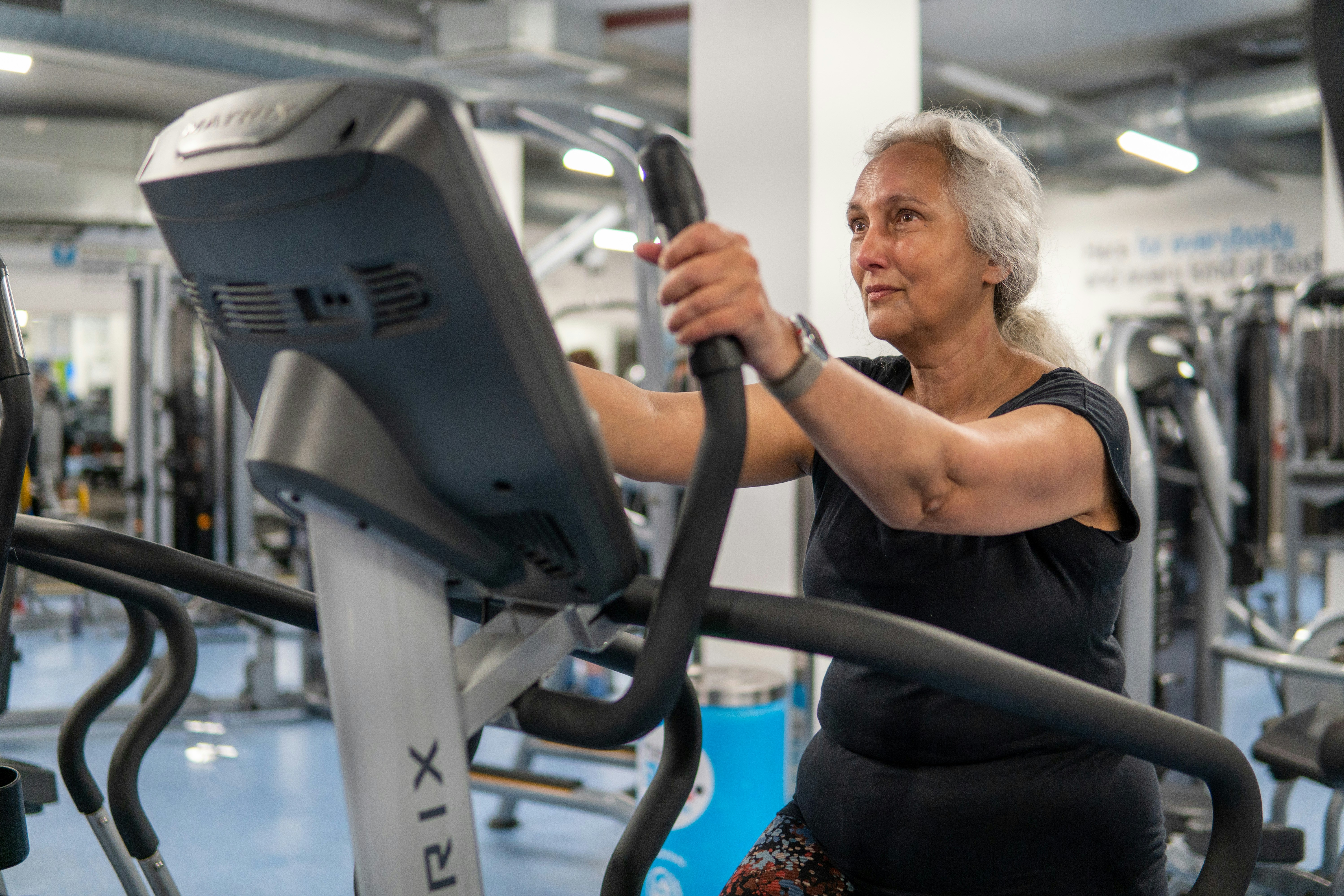
Understanding Muscular Growth and Safety After 50
As individuals cross the threshold of 50 years, they experience a myriad of biological changes that significantly influence muscle growth and overall physical health. One of the most pronounced changes is the gradual decline in hormonal levels, such as testosterone and growth hormone, which play crucial roles in muscle maintenance and growth. Simultaneously, there is a natural increase in muscle tissue breakdown, leading to what is commonly referred to as sarcopenia, the age-related loss of muscle mass.
However, it is important to recognize that with proper strategies, muscle growth is still achievable and can vastly improve quality of life. Resistance training emerges as one of the most effective and safe methods for building muscle after 50. Engaging in weight-bearing exercises not only combats muscle loss but also enhances bone density and boosts metabolism. The focus should be on gradually increasing the intensity of workouts to avoid injury, which is especially critical for this age group.
Incorporating tailored workout programs is also vital for individuals over 50. These programs should accommodate individual fitness levels, prior experience with exercise, and any pre-existing medical conditions. Start with lighter weights and higher repetitions to gauge strength and endurance, gradually progressing as comfort and capacity improve. Additionally, incorporating flexibility and balance exercises can enhance mobility and reduce the risk of falls, which is a major concern for older adults.
In summary, understanding the biological changes associated with aging can empower individuals over 50 to embrace fitness through safe and effective muscle-building strategies. By prioritizing resistance training and customizing workout routines, older adults can achieve and maintain strength and vitality well into their later years.
Cardiovascular Health and Exercise Choices
As we age, maintaining cardiovascular health becomes increasingly important. Engaging in regular cardiovascular workouts not only enhances heart function but also contributes to overall well-being. For adults over 50, a strong cardiac system plays a crucial role in managing weight, reducing the risk of chronic diseases, and improving mental health.
Health guidelines typically recommend that adults engage in at least 150 minutes of moderate-intensity aerobic activity each week. This can be structured in various ways, such as 30 minutes of activity on five days of the week. The type of cardiovascular exercise can vary, and it is essential to choose activities that align with individual preferences and physical capabilities.
Walking is among the simplest and most accessible forms of cardiovascular exercise, offering a plethora of benefits. It can be done in diverse settings, whether in local parks, neighborhoods, or on a treadmill. Another advantageous option is swimming, which provides a low-impact alternative that is easy on the joints while still delivering significant cardiovascular benefits. Biking, whether stationary or on the road, can also serve as an excellent choice to build endurance and improve heart health.
When initiating a cardio program, it is beneficial to start gradually, especially if one has been sedentary for an extended period. Incorporating a mix of activities can keep routines interesting and help prevent burnout. For instance, one could alternate between walking and swimming to diversify workouts while enhancing cardiovascular fitness. Listening to one’s body is vital, as it helps to avoid overexertion and injuries.
As each individual may have different levels of fitness, it is recommended to consult with a healthcare provider before starting any new exercise program. Furthermore, implementing a weekly routine of moderate aerobic activities can lead to significant improvements in cardiovascular health, contributing to a higher quality of life as one ages.
Mobility, Balance, and Functional Exercises
As we age, preserving mobility and balance becomes crucial for maintaining independence and overall quality of life. Mobility refers to the ability to move freely and easily, whereas balance involves the ability to remain upright and stable. Both aspects are vital in reducing the risk of falls, which can lead to severe injuries. Hence, engaging in targeted exercises can significantly enhance these capabilities.
Effective balance exercises are essential for individuals aged 50 and above. Incorporating balance training can help improve coordination and stability. Some well-regarded exercises include standing on one leg, heel-to-toe walking, and using a stability ball, which promotes core strength while enhancing balance. Furthermore, it’s beneficial to differentiate between mobility and flexibility; while flexibility relates to the joint range of motion, mobility encompasses the ability to use that range effectively in movement.
A simple yet effective 10-minute routine can be implemented daily to improve balance. This routine may include a mix of static and dynamic balance exercises, such as:
- Single-leg stands, held for 10-30 seconds on each leg.
- Side leg raises to strengthen the hips.
- Heel raises to promote lower body strength.
Moreover, practical tips for enhancing lower body strength are invaluable. Activities such as walking, swimming, or even gardening can serve as excellent functional exercises, promoting not only strength but also cardiovascular health. Joint health is equally important, and exercises such as squats and lunges, performed with proper form, can benefit knee and hip joints. Incorporating these routines and exercises into one’s schedule can help foster better mobility and balance, leading to a healthier, more active lifestyle as one ages.
Nutrition and Recovery for Optimal Performance
Nutritional needs change significantly as individuals age, especially for those over 50. One of the critical components of a healthy diet in this period is adequate protein intake, which plays a vital role in muscle recovery and overall fitness. Protein helps repair and build muscle tissue, ensuring that the body can recover effectively after exercise. For older adults, it is generally recommended to consume a higher amount of protein compared to younger adults to counteract age-related muscle loss, known as sarcopenia.
When considering post-workout meals, it is essential to select options that are rich in protein and contain other vital nutrients. Ideal post-workout meals for adults over 50 might include grilled chicken with quinoa and steamed vegetables, a spinach and feta omelet, or a smoothie made with protein powder, banana, and almond milk. These meals not only aid in muscle repair but also provide essential vitamins and minerals that support overall health. Incorporating a balance of carbohydrates and fats in these meals further enhances energy restoration and nutrient absorption.
In addition to protein, recovery strategies are crucial for maximizing exercise performance. This includes staying well-hydrated, as fluids are essential for maintaining performance levels and preventing fatigue. Furthermore, including antioxidants in the diet can help reduce inflammation after exercise, promoting quicker recovery times. Foods such as berries, nuts, and leafy greens are excellent sources of these beneficial compounds.
Ultimately, proper nutrition, combined with effective recovery strategies, supports the overall fitness of adults over 50. By prioritizing protein intake and creating balanced, nutrient-rich meals, individuals can enhance their muscle recovery, improve exercise performance, and lead a more active, fulfilling life. Emphasizing the significance of a well-rounded diet cannot be overstated, as it ultimately plays a foundational role in achieving long-term health and fitness goals.
