

Empowering Independence: The Role of Strength Training After 50
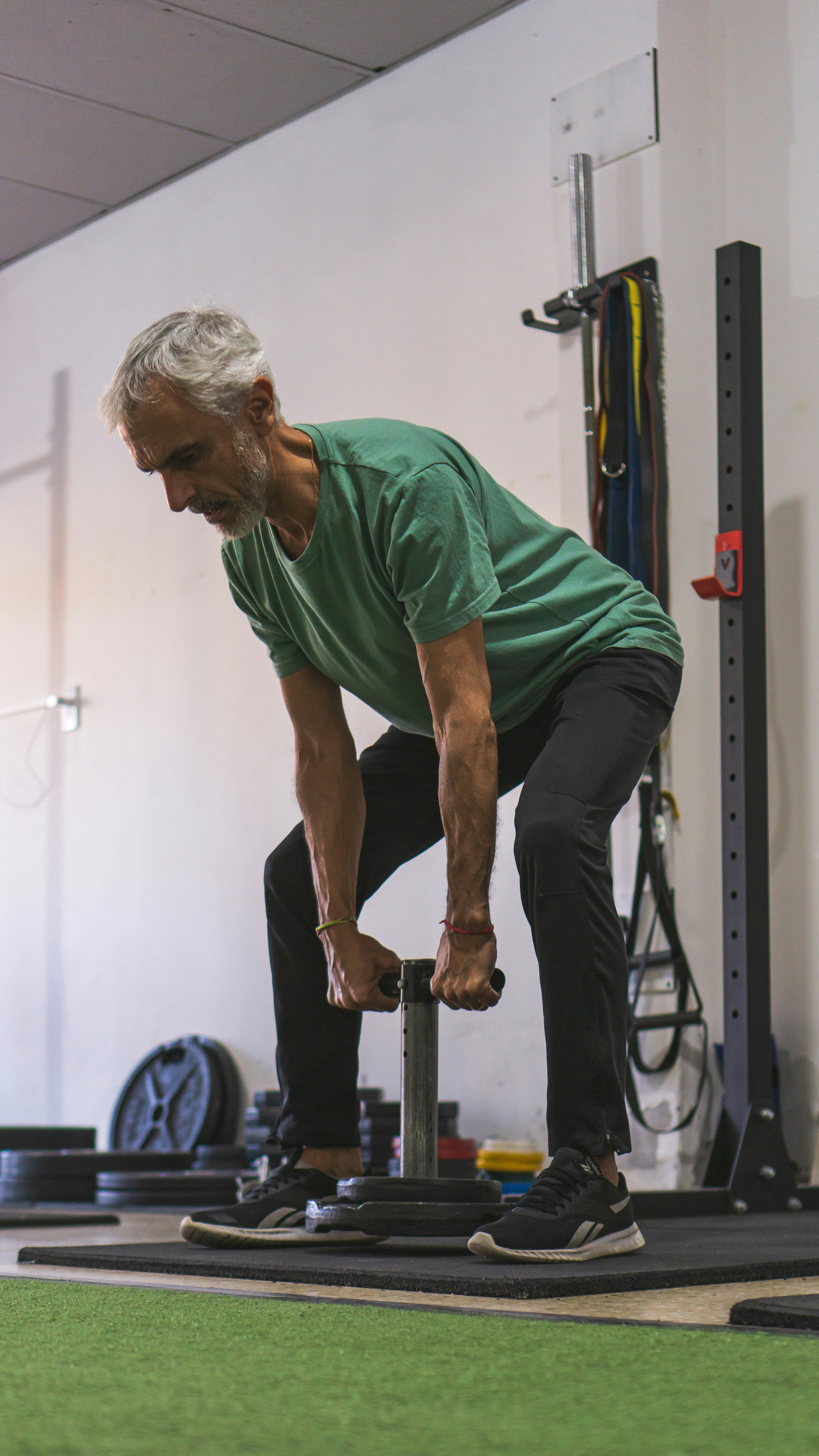

Understanding the Importance of Strength Training
Strength training plays a pivotal role in fostering independence and enhancing quality of life, particularly for individuals aged 50 and older. As the body ages, it often experiences a natural decline in muscle mass and strength, a process known as sarcopenia. This decline can lead to various health issues, including decreased mobility, increased vulnerability to falls, and a reduction in overall physical function. Therefore, understanding strength training becomes paramount for maintaining an active lifestyle in later years.
The health benefits associated with strength training are numerous. Regular participation in strength training exercises can significantly slow down the loss of muscle mass and enhance muscular strength. This is crucial for older adults, as it not only supports daily activities like climbing stairs or lifting objects but also reduces the risk of injuries related to falls. By building muscular strength, individuals are better equipped to maintain balance and stability, attributes that tend to diminish with age.
Additionally, strength training promotes improvements in bone density, which is especially important as the risk of osteoporosis increases in older adults. Weight-bearing exercises help stimulate bone growth and can prevent the fractures that are all too common in this demographic. Furthermore, engaging in regular strength training can support cardiovascular health by improving blood circulation and aiding in the management of conditions such as hypertension or diabetes.
Incorporating strength training into a weekly routine can also enhance mental well-being. The completion of a workout can foster a sense of accomplishment and contribute to overall mood improvement. Thus, the importance of strength training extends beyond the physical; it encompasses psychological benefits that support a higher quality of life.
Physical Benefits of Strength Training for Seniors
As individuals age, maintaining physical health becomes increasingly important. Strength training offers numerous benefits that are vital for seniors, promoting not only improved physical function but also overall wellness. One significant advantage of strength training for the elderly is the increase in muscle mass. As we age, muscle mass naturally declines, which can lead to decreased mobility and increased risk of falls. Engaging in regular strength training can effectively counteract this decline, enhancing muscle strength and mass, thereby improving the ability to perform daily activities independently.
Another crucial benefit of strength training for seniors is enhanced balance and coordination. Through targeted resistance exercises, individuals can strengthen the muscles that support balance, reducing the likelihood of falls—a common concern among older adults. Improved balance directly correlates with increased confidence in movement and an active lifestyle, which are essential for maintaining independence.
Strength training also plays a vital role in improving bone density. Osteoporosis, a condition characterized by weakened bones, becomes more prevalent with age. By incorporating resistance exercises into their routine, seniors can enhance their bone density, thereby reducing the risk of fractures and supporting overall skeletal health. This factor is particularly important for older adults who face higher risks of bone injuries.
Furthermore, strength training is beneficial for cardiovascular health. Regular participation in resistance training can lead to lower blood pressure, improved cholesterol levels, and enhanced circulation. These cardiovascular benefits contribute significantly to longevity and resilience against heart disease, prevalent concerns among aging populations. Together, these physical benefits illustrate how strength training not only promotes individual wellness but also fosters a more active and engaged lifestyle for seniors throughout their later years.
Mental and Emotional Impact of Strength Training
Engaging in strength training after the age of 50 extends beyond physical benefits, significantly influencing mental and emotional well-being. Regular participation in strength training activities is closely associated with improved mental health outcomes. Research suggests that individuals who incorporate strength training into their routine often experience reduced feelings of depression and anxiety. This reduction in mental distress can be attributed to a combination of physiological changes, including the release of endorphins, which are natural mood lifters, and the psychological benefits derived from achieving fitness goals.
Furthermore, strength training can bolster self-esteem. As individuals progress in their strength training journey—whether it be lifting heavier weights, completing more repetitions, or mastering new exercises—they often experience a boost in confidence. This newfound confidence can transcend the gym, influencing other areas of life such as social interactions, personal relationships, and career pursuits. The sense of accomplishment stemming from improved physical capabilities contributes positively to self-image and overall mental wellness.
The social aspect of strength training also plays a pivotal role in enhancing emotional health. Participating in group classes or strength training sessions fosters community and support, which are vital at any age. Engaging with peers who share similar fitness goals creates a network of encouragement. This camaraderie not only strengthens social bonds but also helps combat feelings of isolation that may accompany aging. Having a community to share experiences with facilitates accountability and motivates individuals to stay committed to their wellness routines.
In conclusion, the mental and emotional benefits of strength training for those over 50 are profound. These benefits include an improvement in mental health, a reduction in anxiety and depression, enhanced self-esteem, and the social enjoyment derived from group training. Embracing strength training can lead to a more fulfilling and empowered life, contributing to overall wellness as one ages.
Getting Started: A Guide to Safe Strength Training After 50
Beginning a strength training regimen after the age of 50 can be a rewarding journey towards improved health and independence. However, it is essential to approach this new endeavor with caution and knowledge. The first step for individuals over 50 is to consult with a healthcare professional. This is particularly important for those who may have underlying health conditions or concerns that could influence their ability to engage in physical activity. A healthcare provider can offer personalized advice, help identify any necessary precautions, and recommend appropriate exercises suited for the individual’s specific needs.
Once you receive clearance from your healthcare provider, the next step is setting realistic goals. Understanding what you hope to achieve through strength training is essential. Whether the goal is to increase muscle mass, improve joint stability, or enhance overall fitness, setting achievable milestones can boost motivation and provide a clear direction. For instance, aiming to strength train two to three times per week can serve as a solid foundation, allowing for gradual progression as strength and comfort levels increase.
Creating a balanced routine is another crucial aspect of safe strength training. This routine should incorporate exercises targeting major muscle groups, including the legs, arms, back, and core. Additionally, integrating flexibility and balance exercises can help prevent injuries and enhance overall stability. Safety measures, such as warming up before workouts and incorporating cooldown periods afterward, are essential to reduce the risk of strains or injuries. It is advisable to start with lighter weights to master proper form before gradually increasing resistance.
Lastly, consider seeking out resources specifically designed for older adults. Classes that specialize in senior fitness or personal trainers with experience in working with older populations can provide both guidance and support, ensuring that exercises are performed correctly and safely. These resources can enhance the experience of starting strength training, ultimately empowering individuals to embrace their fitness journey with confidence.
