
Embracing Swimming and Water Aerobics for Fitness After 50
The Benefits of Swimming for Those Over 50
Swimming is a versatile and highly beneficial form of exercise, particularly for individuals over the age of 50. As the body ages, maintaining an active lifestyle becomes increasingly important, and swimming offers a myriad of advantages tailored to this demographic. One significant benefit of swimming is its positive impact on cardiovascular health. Engaging in regular swimming sessions can enhance heart function, lower blood pressure, and improve circulation, leading to a healthier cardiovascular system.
In addition to cardiovascular improvements, swimming also plays a crucial role in enhancing flexibility. Unlike many high-impact exercises, swimming promotes a full range of motion through various strokes. This gentle stretching and movement can help maintain or even improve flexibility, which is essential for maintaining mobility as one ages. Additionally, practicing different swimming techniques can lead to better muscle balance and coordination, further supporting overall physical fitness.
Another important aspect to consider is joint health. Traditional forms of exercise, such as running or weightlifting, can place undue stress on the joints, leading to discomfort or injury. However, swimming is a low-impact activity, making it an ideal choice for older adults. The buoyancy of water reduces the effect of gravity, allowing individuals to move freely without putting excessive pressure on their joints. This characteristic makes swimming a safe option for maintaining fitness, especially for those dealing with arthritis or other joint-related issues.
Ultimately, swimming combines numerous physical benefits, including improvements in cardiovascular health, enhanced flexibility, and support for joint health, making it an optimal exercise choice for individuals over the age of 50. Embracing swimming can lead to a more active, healthier lifestyle, encouraging individuals to remain fit and engaged.
Getting Started: Water Aerobics as a Fun Fitness Option
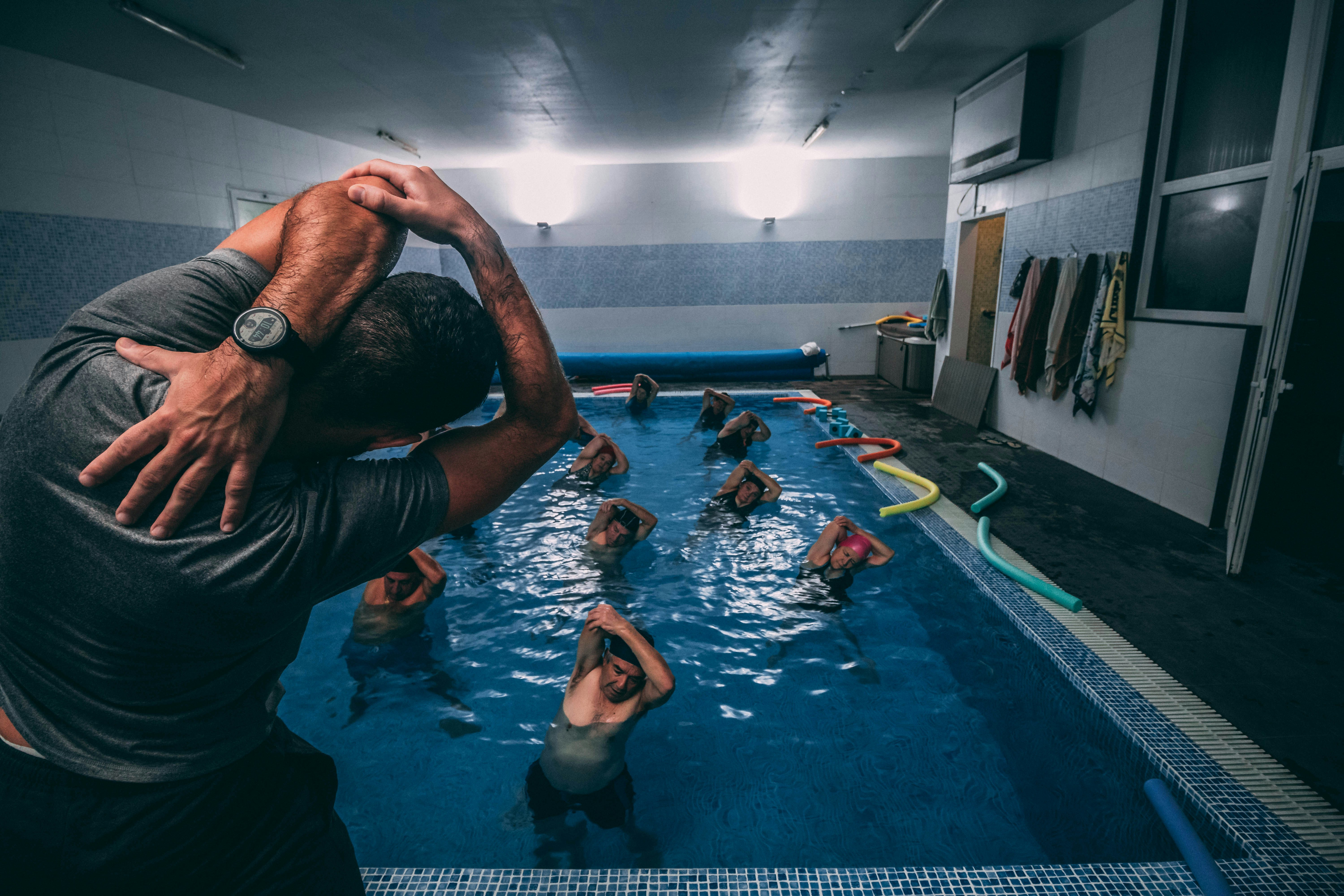
Water aerobics is gaining recognition as an enjoyable method for improving fitness, particularly for individuals over the age of 50. This form of exercise involves performing aerobic movements in a swimming pool, where individuals can benefit from the buoyancy of water, thus reducing the strain on joints and muscles. Typically, a water aerobics class consists of a warm-up followed by a series of exercises that include both aerobic activities and strength-building moves. Participants can expect to engage in activities such as jogging in place, jumping jacks, and various rhythmic movements set to music, all performed while submerged in water.
One of the appealing aspects of water aerobics is its adaptability. Classes are designed to cater to a wide range of fitness levels, making it accessible for everyone, from beginners to more fit individuals. Instructors often provide modifications for exercises, allowing participants to adjust the intensity according to their capability. This inclusivity ensures that everyone can participate comfortably and effectively, regardless of their previous exercise experience or current fitness condition.
The social component of water aerobics should not be overlooked, as it offers a fantastic opportunity to meet new people and develop a sense of community. Group classes can enhance motivation and accountability, as participants encourage and support one another in their fitness journeys. This camaraderie fosters a welcoming environment, making it easier to remain committed to regular exercise. Overall, water aerobics presents a multifaceted approach to fitness that combines enjoyable movement, social engagement, and accessibility, making it an excellent choice for those embracing fitness after 50.
Safety Tips and Precautions for Aquatic Exercise
Engaging in swimming and water aerobics offers numerous health benefits, especially for individuals over 50. However, it is vital to prioritize safety to ensure a positive and injury-free experience. Here are essential tips to consider.
Firstly, hydration is crucial before, during, and after aquatic activities. Many assume that because they are in water, they do not need to consume fluids. This misconception can lead to dehydration, which can impair performance and recovery. Therefore, older adults should ensure they drink sufficient water to maintain optimal hydration levels.
Understanding your body’s limits is another vital safety precaution. As we age, our bodies may not respond the same way to physical exertion as they once did. It is important to listen to your body and recognize signs of fatigue or discomfort. This awareness will help in moderating intensity and duration during workouts, preventing the risk of overexertion.
Additionally, incorporating a proper warm-up and cool-down routine is essential. Warming up prepares the muscles and joints for the activity, reducing the risk of strains and sprains. Similarly, a cool-down helps the body transition back to a resting state, aiding recovery and minimizing stiffness. Simple stretches and gentle movements both in and out of the water can effectively serve this purpose.
Concerns regarding injuries in aquatic environments, though generally lower than other forms of exercise, still exist. It is advisable to familiarize oneself with the pool layout, ensuring awareness of depth changes and potential hazards. Wearing well-fitted attire and appropriate water shoes can also help prevent slips and falls, enhancing overall safety.
Lastly, anyone new to swimming or water aerobics should consider consulting a qualified instructor. A professional can provide guidance on proper techniques, tailored exercises, and personalized tips to mitigate risks. By adhering to these safety measures, older adults can enjoy the invigorating experience of aquatic exercise while prioritizing their health and well-being.
Building a Consistent Routine: Integrating Water Fitness into Your Life
Incorporating swimming and water aerobics into a regular fitness routine is essential for promoting health and well-being, especially for individuals over 50. To begin, it is important to set realistic fitness goals tailored to one’s current abilities and preferences. Establishing achievable objectives can help in creating a structured yet flexible approach to exercise, making it easier to stay committed. For instance, one might aim to swim for 30 minutes three times a week or gradually increase the duration over time.
Maintaining motivation when engaging in water-based fitness activities can often be enhanced by setting specific, measurable goals. Joining a local swim class or water aerobics group can provide a social element that fosters accountability. This communal aspect not only adds fun to the workouts but also encourages consistent attendance. Additionally, incorporating a variety of activities in the water can prevent monotony; participants can alternate between swimming laps, engaging in water aerobics, and even trying recreational water sports, thereby keeping the routine invigorating.
Tracking progress is a vital component for sustaining motivation in any fitness journey. Individuals can maintain a journal or use fitness apps to log their swimming sessions, monitor improvements in stamina, and celebrate milestones. Reflecting on achievements, whether it’s adding an extra lap or mastering a new technique, reinforces the positive impact of these exercises on physical and mental health.
Moreover, it is essential to balance water fitness with other forms of exercise to achieve a holistic approach to health after 50. Engaging in strength training or yoga can complement swimming and water aerobics, enhancing flexibility, muscle strength, and overall functional capacity. This well-rounded fitness strategy can lead to better long-term health outcomes, allowing individuals to enjoy an active lifestyle well into their later years.
