

Effective Warm-Up Techniques for Individuals Over 50

Understanding the Importance of Warming Up
As individuals age, especially those over 50, it becomes increasingly essential to incorporate a proper warm-up routine before engaging in physical activities. Warming up serves multiple functions that address physiological changes associated with aging, which include decreased muscle elasticity and heightened joint stiffness. These natural alterations can impede mobility and performance, making it vital to prepare the body adequately for exercise to minimize the associated risks.
One of the primary reasons for emphasizing warm-up techniques for seniors is to increase blood flow to the muscles and joints. When engaged in low-intensity movements or dynamic stretches, the body starts to deliver more oxygen and nutrients to the muscles. This process aids in enhancing flexibility and muscle elasticity, which are often compromised due to age. In effect, a focused warm-up routine can help in promoting a range of motion, which is crucial for preventing injuries during high-impact activities or strength training.
Furthermore, warming up can lower the chance of injuries like strains or sprains, which tend to occur more frequently as the body ages. By gradually increasing the heart rate and loosening stiff muscles and joints through targeted warm-up exercises, individuals can prepare their bodies for the physical demands of activities such as walking, jogging, or strength training. Additionally, a proper warm-up can bolster overall performance, enabling one to achieve better results while engaging in various exercises. The practice establishes not only physical readiness but also a mental preparation that fosters a positive mindset towards the upcoming physical tasks.
In sum, understanding the importance of warming up is paramount for individuals over 50. Implementing effective warm-up techniques can mitigate the effects of aging on muscle and joint function, preventing injuries while enhancing overall performance in daily activities and exercise regimens.
Key Components of an Effective Warm-Up Routine
As individuals age, establishing a robust warm-up routine becomes critical for promoting overall health and preventing injuries. For those over 50, it is essential to focus on specific elements that cater to changing body dynamics, flexibility, and strength. A well-structured warm-up routine should typically incorporate dynamic stretching, mobility work, and light cardiovascular activities.
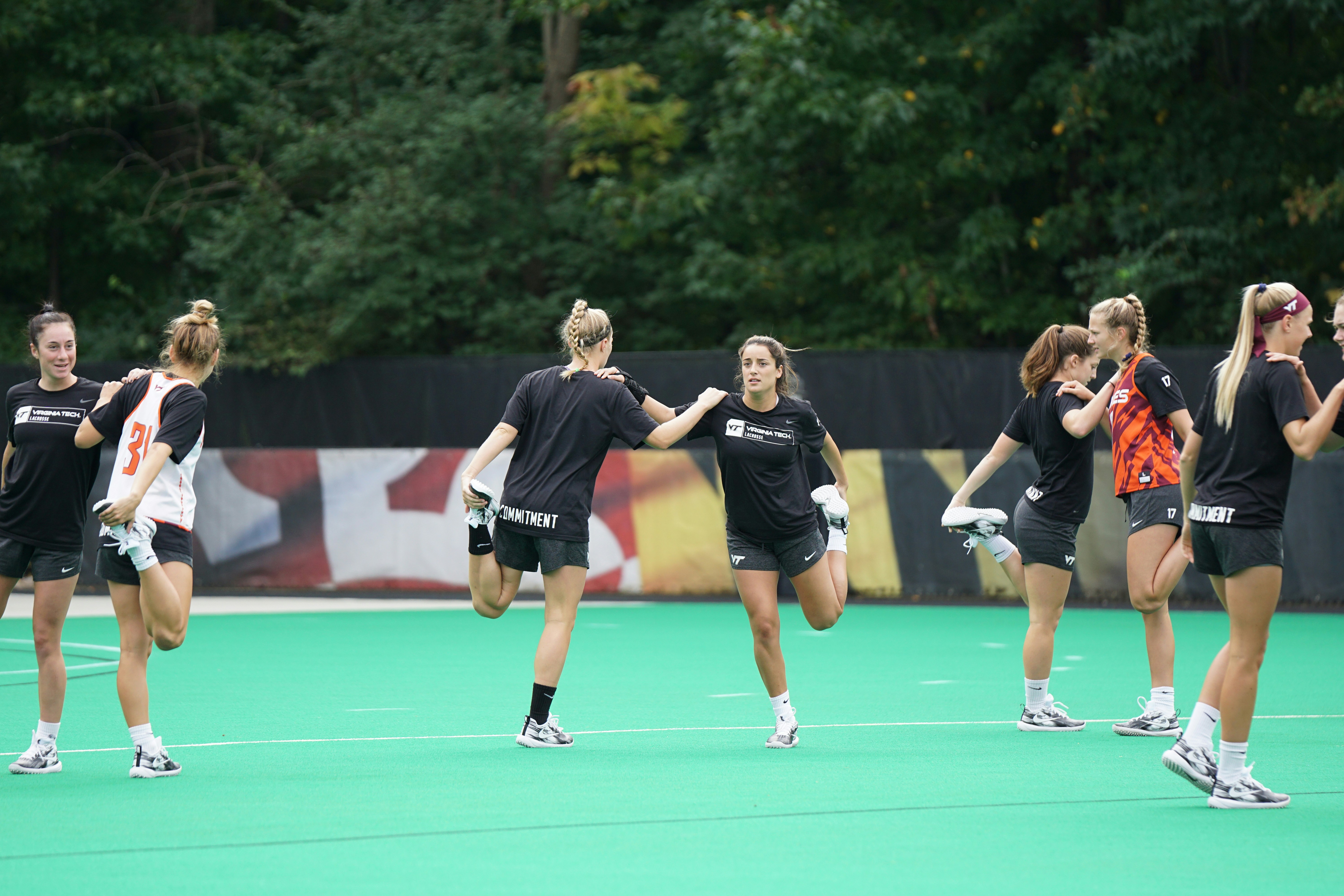
Dynamic stretching involves movements that actively lengthen the muscles and prepare them for action. This contrasts with static stretching, which can lead to decreased muscle power if performed before vigorous exercise. Examples of dynamic stretches suitable for this age group include leg swings, arm circles, and torso twists. Such movements enhance flexibility while also increasing blood flow to the muscles, thereby preparing them for more intense workouts.
Mobility work is another crucial aspect of an effective warm-up. This includes exercises designed to improve joint range of motion and stability. Gentle movements focusing on major joints, such as shoulder rolls and ankle circles, can help reduce stiffness and enhance mobility. For individuals over 50, incorporating these exercises can significantly impact overall functional movement, making daily activities easier and reducing injury risk.
Additionally, light cardiovascular activities play a pivotal role in warm-up routines. Engaging in activities such as brisk walking, cycling, or using a treadmill for a short duration can effectively elevate heart rates gradually. These exercises not only raise the body temperature but also enhance circulation, ensuring the muscles are primed for more strenuous activities.
In conclusion, individuals over 50 should prioritize a warm-up routine that combines dynamic stretching, mobility work, and light cardiovascular exercises. This comprehensive approach prepares the body for more intense physical exertion while minimizing the risk of injuries and enhancing overall fitness levels.
Specific Warm-Up Exercises Suitable for Individuals Over 50
Engaging in physical activity is crucial for maintaining health, particularly for individuals over 50. Prior to participating in any exercise regime, it is important to warm up effectively to increase blood flow, enhance flexibility, and reduce the risk of injury. Here are several safe and beneficial warm-up exercises suited specifically for this age group.
1. Neck Rolls
Start by standing or sitting up straight. Gently roll your head in a circular motion, first to the right and then to the left. Complete 5 rolls in each direction. This exercise helps in relieving tension in the neck area.
2. Arm Circles
Stand with your feet shoulder-width apart. Extend both arms out to the sides at shoulder height. Rotate your arms in small circles for 30 seconds, gradually increasing the size of the circles. Then reverse the direction for another 30 seconds. This movement warms up the shoulders and increases upper body flexibility.
3. Leg Swings
While holding onto a wall or chair for balance, swing one leg forward and backward gently. Aim for 10-15 swings on each leg. This dynamic stretch is excellent for preparing the hips and legs for movement.
4. Heel Raises
Stand with your feet flat on the ground and slowly rise onto your toes. Hold the position briefly before lowering back down. Repeat this exercise 10-15 times. Heel raises enhance ankle flexibility and balance, important factors for stability.
5. Side Bends
Stand tall and reach one arm overhead while bending sideways towards the opposite side. Hold for a few seconds, then switch sides. Perform this movement for 30 seconds. It helps stretch the oblique muscles and improves lateral flexibility.
Each exercise should be performed slowly and within a comfortable range of motion to prevent strain. Individuals with specific health concerns should consult a physician or a trained fitness professional for personalized guidance. Incorporating these warm-up techniques into daily routines can foster an effective and enjoyable approach to physical activity.
Listening to Your Body: Safety Tips During Warm-Up
As individuals age, particularly those over 50, it becomes increasingly crucial to pay attention to one’s body during warm-up exercises. Warm-ups serve as an essential preparatory phase before engaging in more strenuous physical activities. By listening to your body, you can effectively prevent injury and enhance overall performance.
One of the fundamental safety tips during warm-up is to be mindful of any signs of discomfort or strain. It is vital to differentiate between typical muscle fatigue and actual pain. If you experience sharp or persistent pain, it is advisable to stop the activity and reassess your approach. Modifications can be made by reducing the intensity of the warm-up or opting for lower-impact alternatives. For instance, if a particular stretch causes discomfort, consider adjusting your form or substituting it with a gentler one.
Hydration also plays a significant role in preparing the body for physical activity. Ensuring proper hydration before and during warm-up can greatly influence performance and comfort. Aim to drink adequate water, especially if engaging in exercises that induce perspiration. Proper attire is another aspect that should not be overlooked; wearing comfortable, breathable clothing can enhance mobility and prevent overheating during warm-ups.
Consistency is essential in developing an effective warm-up routine. Establishing a regular warm-up regimen helps the body acclimate to physical activity, making it easier to identify discomfort and adjust accordingly. Gradually increasing the intensity and diversity of warm-ups can lead to better muscle readiness and overall fitness levels. Remember that your body will respond differently from day to day, so adjustments may be necessary based on how you feel each time you engage in warm-up exercises.
