
Dynamic vs. Static Stretching: Choosing the Right Technique at the Right Time
Understanding the Difference
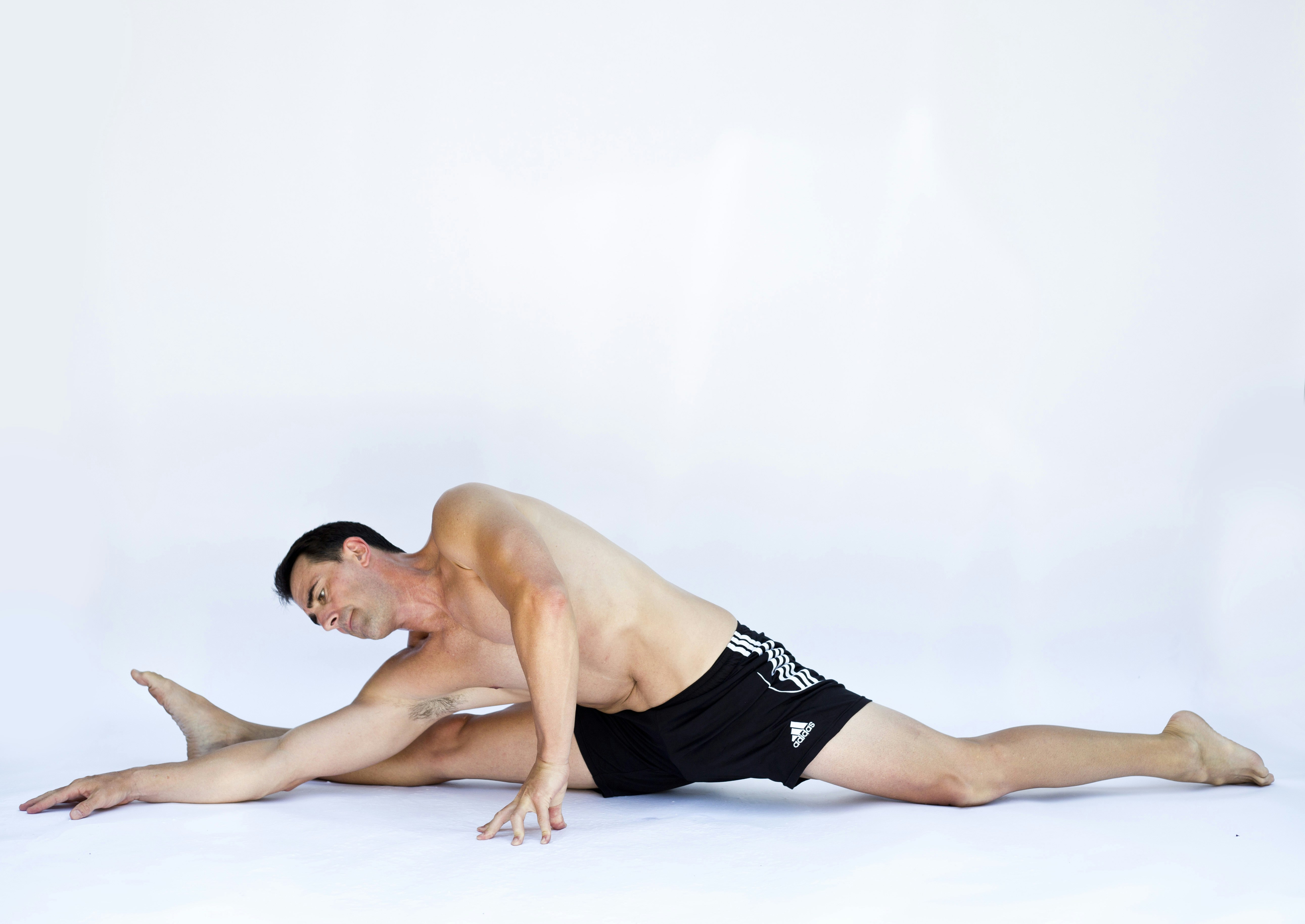
Dynamic and static stretching both improve flexibility, but they serve different purposes. Dynamic stretching involves controlled, active movements that take a joint through its available range of motion. Examples include walking lunges, arm circles, leg swings, and torso rotations. Static stretching, in contrast, involves holding a muscle in a lengthened position for a set period, usually between 15 and 60 seconds.
The most effective choice depends on your activity, fitness goals, and current physical condition. Neither method is universally better; timing is what makes each technique useful.
When to Use Dynamic Stretching
Dynamic stretching is generally best before exercise, particularly before activities involving running, jumping, lifting, or rapid changes of direction. These movements gradually raise body temperature, increase blood flow, and prepare the nervous system for activity. A dynamic warm-up may also help improve coordination and movement efficiency.
Begin with five to ten minutes of light activity, such as brisk walking or easy cycling. Then perform several controlled movements related to your workout. Keep the motions smooth and avoid forcing a joint beyond its comfortable range. Dynamic stretching should prepare your body, not cause fatigue or discomfort.
When to Use Static Stretching
Static stretching is often more appropriate after exercise, when muscles are warm and relaxed. Holding a stretch can help maintain or gradually improve flexibility, especially when practiced consistently. It may also be useful during separate mobility sessions, such as after a warm shower or as part of a gentle evening routine.
To stretch statically, move slowly until you feel mild tension—not pain—and hold the position without bouncing. Breathe normally and relax the surrounding muscles. Repeating each stretch two or three times can support long-term flexibility gains.
Building a Balanced Routine
For most people, the best approach combines both methods: dynamic movements before exercise and static stretches afterward or during dedicated flexibility training. Listen to your body, adjust the intensity, and consult a qualified professional if you have an injury or persistent pain.
