

Daily Mobility Routine for Adults Over 50: A 10-Minute Checklist

Introduction to Mobility for Adults Over 50
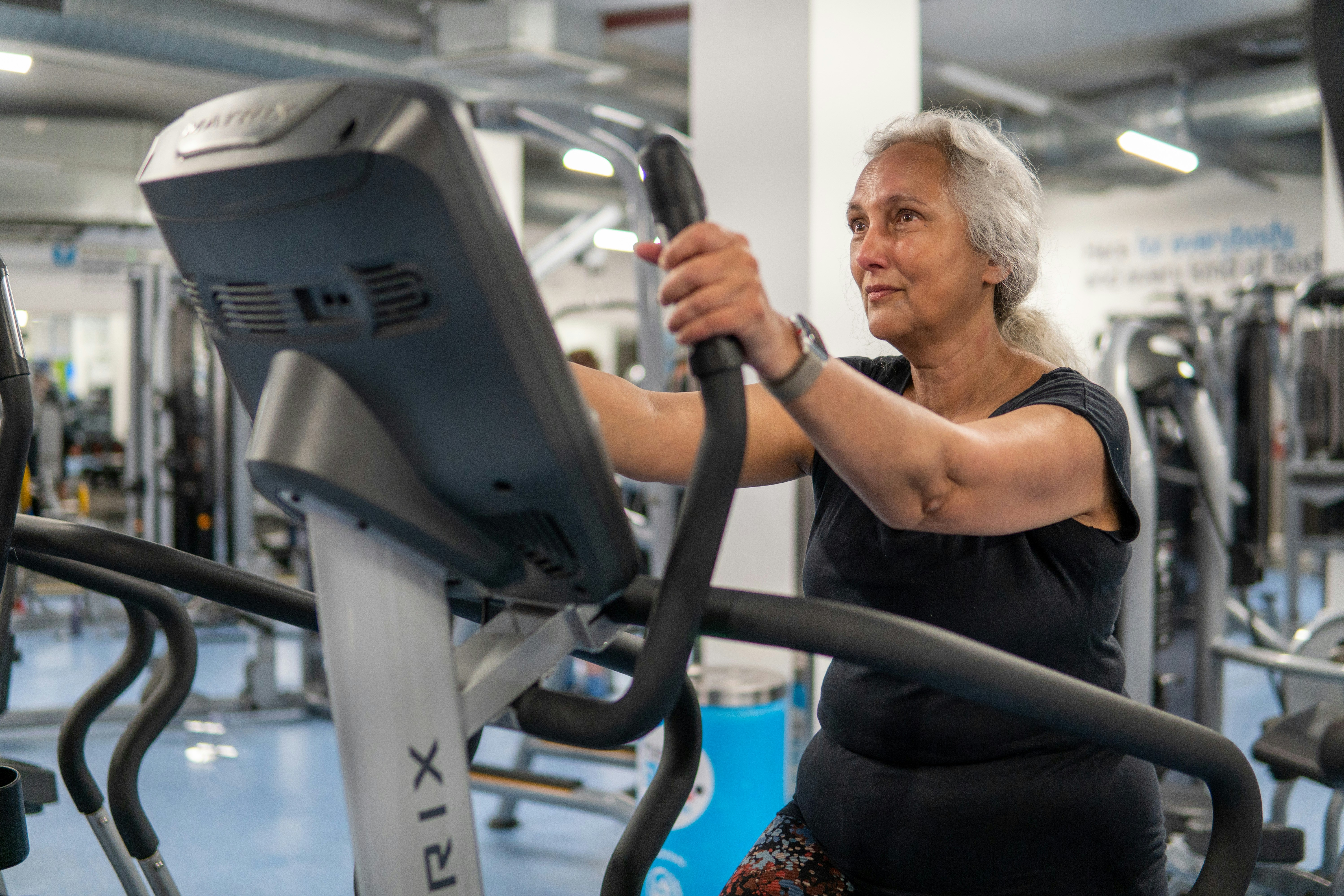
Mobility is a fundamental aspect of the lives of adults over 50, playing a crucial role in enhancing quality of life, promoting independence, and maintaining overall health. As individuals age, maintaining mobility becomes increasingly essential, as it directly influences their ability to engage in daily activities, connect socially, and experience the joy of movement. The importance of mobility for this demographic cannot be overstated, as it affects both physical and mental well-being.
Common mobility issues encountered by older adults include diminished strength, joint stiffness, and balance problems. These challenges can arise due to a variety of factors such as age-related degeneration, sedentary lifestyles, and chronic conditions like arthritis or osteoporosis. These mobility limitations can lead to a decrease in physical activity, which may further exacerbate health problems, reduce independence, and diminish overall quality of life.
Maintaining an active lifestyle is vital for older adults, as regular movement not only helps to preserve muscle strength and flexibility but also promotes cardiovascular health and improves mobility. Engaging in consistent physical activity can significantly reduce the risk of falls, enhance mental health, and encourage social interactions, all of which are integral to greater independence. Moreover, establishing a daily routine that incorporates mobility exercises can lead to profound benefits, including enhanced physical function, improved mental clarity, and a greater sense of well-being.
To facilitate this, a simple 10-minute checklist can serve as an effective guide for adults over 50 to incorporate mobility into their daily routines. By prioritizing physical activity and addressing mobility challenges proactively, older adults can take significant strides toward fostering a healthier, more active lifestyle that promotes longevity and satisfaction with life.
The Components of an Effective Mobility Routine
As adults over 50 seek to maintain their independence and improve their quality of life, developing a successful mobility routine becomes essential. An effective mobility routine comprises several vital components: flexibility, balance, strength, and coordination. Each of these elements contributes significantly to overall mobility and enhances day-to-day activities.
Flexibility is the first key component. It refers to the range of motion in joints and muscles, ensuring that movements are executed smoothly and without discomfort. Maintaining or improving flexibility helps to prevent injuries and reduces muscle stiffness. Regular stretching exercises can play a crucial role in enhancing this aspect of mobility, allowing older adults to perform everyday tasks more easily.
Balance is another critical component of a mobility routine, particularly as one ages. Good balance minimizes the risk of falls, a leading cause of injury in older adults. Exercises that promote balance, such as standing on one foot or practicing tai chi, can help improve stability. Moreover, enhanced balance allows for safer navigation in various environments and increases confidence when engaging in physical activities.
Strength is equally important in a mobility routine. Muscular strength supports the skeletal system and aids daily movements, including walking, climbing stairs, and lifting objects. Engaging in resistance training, such as using light weights or resistance bands, can build muscle mass and improve functional strength. This is especially vital for adults over 50, as muscle loss naturally occurs with aging.
Lastly, coordination ties these components together. It involves the ability to control body movements smoothly and efficiently. Enhancing coordination not only aids in athletic pursuits but also plays a significant role in daily activities, like reaching for an item on a shelf or stepping over an obstacle. Exercises that involve multiple tasks or movements can boost coordination, thereby enhancing overall mobility.
In conclusion, integrating flexibility, balance, strength, and coordination into a mobility routine can significantly improve the quality of life for adults over 50. Each component serves a specific purpose and collectively fosters greater independence and physical well-being.
10-Minute Daily Mobility Routine Breakdown
Engaging in a daily mobility routine is essential for adults over 50 to maintain joint health, flexibility, and overall mobility. Below is a simple step-by-step 10-minute routine that includes warm-up, mobility exercises, and cool-down, all designed to be safe and easy to follow.
Warm-Up (2 minutes): Start with gentle movements to increase blood flow and prepare the body for exercise. Begin by marching in place for one minute. Lift your knees slightly while keeping a steady rhythm, letting your arms move naturally at your sides. Follow this with arm circles for one minute: extend your arms out to the sides and make small circles for 30 seconds, then reverse direction for another 30 seconds.
Mobility Exercises (6 minutes): Perform the following exercises, holding each position for 30 seconds.
- Neck Stretches: Tilt your head to one side, bringing your ear toward your shoulder. Hold and then repeat on the opposite side.
- Shoulder Rolls: Roll your shoulders forward in a circular motion for 30 seconds, then switch to rolling them backward.
- Torso Twist: Stand with feet hip-width apart and twist your upper body gently side to side, allowing your arms to swing freely.
- Hip Openers: While standing, lift your right knee towards your chest and rotate it outward. Alternate legs after 30 seconds.
- Calf Raises: Stand and slowly rise up onto your toes, then lower back down. Repeat for 30 seconds to strengthen the calves.
- Seated Forward Bend: Sit on the floor with legs extended and reach towards your toes, keeping your back straight. Hold this stretch for the remaining time.
Cool Down (2 minutes): Finish your routine with some gentle deep breathing exercises. Sit comfortably, close your eyes, and inhale deeply through your nose, filling your lungs. Exhale slowly through your mouth. Continue this for two minutes to relax your body and mind.
This daily mobility routine promotes flexibility and helps maintain functional movement, making daily tasks easier and more enjoyable for adults over 50.
Tips for Staying Consistent and Motivated
Maintaining a daily mobility routine can be particularly challenging for adults over 50. However, adopting effective strategies can significantly enhance consistency and motivation. One of the key approaches is to set realistic and achievable goals. Instead of attempting to overhaul one’s entire fitness regime overnight, individuals should focus on small, specific targets that can be gradually incorporated into their daily routine. For example, starting with a combination of 10 minutes of walking and stretching can provide a solid foundation.
Tracking progress is another effective strategy to stay motivated. Keeping a simple log or journal can help adults over 50 monitor their daily mobility activities and celebrate small victories. This practice creates a tangible record of achievements, reinforcing the commitment to the routine. There are numerous apps available that can assist with tracking physical activities, making the process more engaging and less tedious.
Finding enjoyable activities is crucial for sustaining interest over time. It is beneficial for individuals to explore various forms of exercise, whether it be dancing, gardening, or swimming, which can make the mobility routine something to look forward to each day. When adults over 50 enjoy their activities, they are more likely to stick with them, enhancing their overall quality of life.
Incorporating social elements into mobility routines can also be very motivating. Exercising with friends or participating in group classes creates a sense of community and support. The shared experience not only fosters accountability but also enhances enjoyment, making it easier to adhere to the routine. From joining local walking clubs to engaging in community fitness classes tailored for older adults, social interactions can significantly elevate one’s desire to remain active.
By setting realistic goals, tracking progress, engaging in enjoyable activities, and incorporating social elements, adults over 50 can cultivate a daily mobility routine that is both consistent and motivating. These strategies empower individuals to take charge of their physical health, ultimately leading to better mobility and overall wellness.
