
Combining HIIT and Strength Training Safely for Adults Over 50
Understanding HIIT and Strength Training
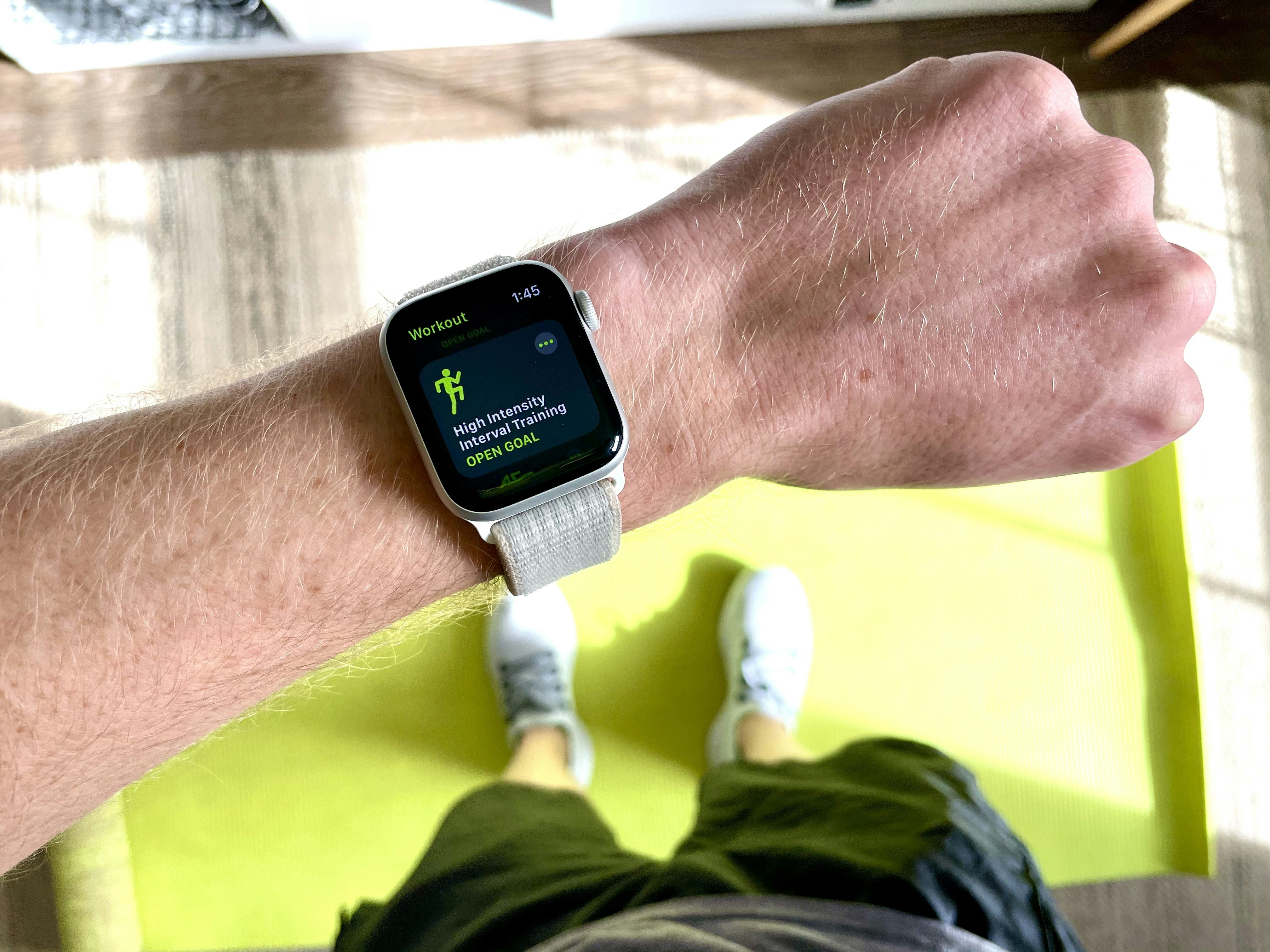
High-Intensity Interval Training (HIIT) and strength training are two effective exercise methods that can greatly benefit individuals over the age of 50. HIIT involves alternating short bursts of intense activity with periods of rest or lower-intensity exercise. This format not only elevates heart rate but also boosts metabolic rates, leading to improved cardiovascular health and enhanced calorie burning. For older adults, HIIT can be adapted to lower-impact movements, ensuring it is safe while still providing significant health benefits.
On the other hand, strength training focuses on building muscle mass and improving strength through resistance exercises, such as weight lifting or bodyweight workouts. As individuals age, they naturally experience a decline in muscle mass, known as sarcopenia. Incorporating strength training into a regular fitness routine can mitigate this decline, leading to enhanced muscle function, improved balance, and a reduced risk of falls and fractures. Additionally, strength training is essential for maintaining bone density, which is crucial for older adults.
Both HIIT and strength training come with their unique advantages, especially for older adults looking to stay active and healthy. Integrating these two methods can lead to improvements in overall fitness, including increased endurance from HIIT and strengthened muscles from resistance training. Tailoring these workouts to accommodate one’s fitness level and any potential health concerns is vital. This approach not only enhances safety but also maximizes the effectiveness of the workouts.
Safety Precautions for Adults Over 50
As individuals age, their bodies become more susceptible to various health issues, making safety precautions critical when considering a new exercise regimen. It is highly recommended for adults over 50 to consult with healthcare professionals before embarking on any significant physical activity, particularly when incorporating high-intensity interval training (HIIT) and strength training into their fitness routine. A healthcare provider can offer tailored advice based on one’s health history, potential joint problems, and cardiovascular conditions.
Common health concerns for this demographic include arthritis, osteoporosis, and cardiovascular issues. These conditions can significantly influence exercise selection and intensity. For example, joint pain and stiffness often associated with aging may necessitate modifications in HIIT routines and strength training exercises to prevent exacerbation of symptoms. Low-impact alternatives, such as cycling, swimming, or using resistance bands, can provide effective cardiovascular workouts while minimizing strain on the joints.
Moreover, during strength training, emphasizing proper form and lighter weights can reduce the risk of injury. Utilizing machines instead of free weights can offer additional support and stability for those who may be unsteady or inexperienced. It’s also beneficial to incorporate longer rest periods between sets to allow adequate recovery, further lowering the risk of overexertion.
Additionally, seniors should listen to their bodies and be aware of warning signs. Experiencing unusual pain, discomfort, or shortness of breath during exercise should prompt an immediate cessation of activity and consultation with a healthcare professional. Overall, while incorporating HIIT and strength training can greatly benefit adults over 50, taking the appropriate safety precautions is essential to ensure a fulfilling and injury-free experience.
Effective HIIT and Strength Training Workouts
Combining High-Intensity Interval Training (HIIT) and strength training can yield significant benefits for adults over 50, including improved cardiovascular health, increased muscle strength, and enhanced overall fitness. To create an effective program, it is essential to consider the duration, frequency, and types of exercises to suit individual capabilities while prioritizing safety and progression.
A well-structured HIIT and strength training workout can include intervals that last between 20 to 30 minutes, tailored to the fitness level of the individual. For instance, one common pattern includes 30 seconds of high-intensity exercise followed by 30 to 60 seconds of rest or low-intensity movement. This can be adapted to suit a variety of exercises, such as bodyweight squats, push-ups, or modified jumping jacks. It’s crucial to start gradually, aiming for two non-consecutive days per week, allowing adequate recovery between sessions.
In terms of strength training, incorporating bodyweight exercises or resistance bands can significantly enhance muscle strength without the strain of heavier weights. Exercises such as lunges, chest presses, and seated rows can be effective. Adults over 50 could benefit from performing strength exercises at least twice a week, ensuring to include major muscle groups each session. Each workout should comprise 8 to 12 repetitions per exercise, with a focus on proper form and safety.
As individuals become more comfortable with these workouts, they can gradually increase the intensity of HIIT exercises or the resistance in strength training. Adding light weights or increasing the duration of the high-intensity intervals can encourage greater adaptation while minimizing injury risk. Monitoring one’s response to the exercises will allow for a progressive and well-balanced approach to fitness that incorporates both HIIT and strength training effectively.
Frequently Asked Questions (FAQs)
Combining High-Intensity Interval Training (HIIT) with strength training can be highly beneficial for adults over 50, but it often raises several questions. One common inquiry is about the frequency of workouts. Generally, it is advisable for older adults to engage in HIIT and strength training sessions two to three times per week. This allows for adequate recovery time between workouts, which is essential for preventing injuries and ensuring sustained progress.
Another frequent question pertains to the intensity levels during workouts. It is important that adults over 50 adjust their training intensity based on their fitness levels and health status. Beginning with moderate intensity and gradually incorporating higher intensity exercises can be a prudent approach. Always listening to one’s body is paramount, as it helps to identify appropriate intensity levels that can promote both strength and cardiovascular health safely.
Recovery tips are vital for anyone engaging in an exercise routine involving HIIT and strength training, especially for older adults. It is advisable to integrate rest days into the weekly schedule, along with activities like stretching, yoga, or foam rolling. Furthermore, ensuring proper hydration and nutrition plays a considerable role in recovery and overall performance. Effective recovery strategies not only enhance muscle repair but also reduce soreness and fatigue, encouraging consistency.
Lastly, staying motivated can sometimes be challenging for older adults. Setting realistic goals, tracking progress, and finding a workout buddy can significantly enhance motivation. It may also be beneficial to participate in community fitness programs or classes designed for seniors. This not only fosters a sense of accountability but also builds a supportive environment that encourages sustained engagement in fitness.