
Cardio After 50: How Much Do You Really Need?
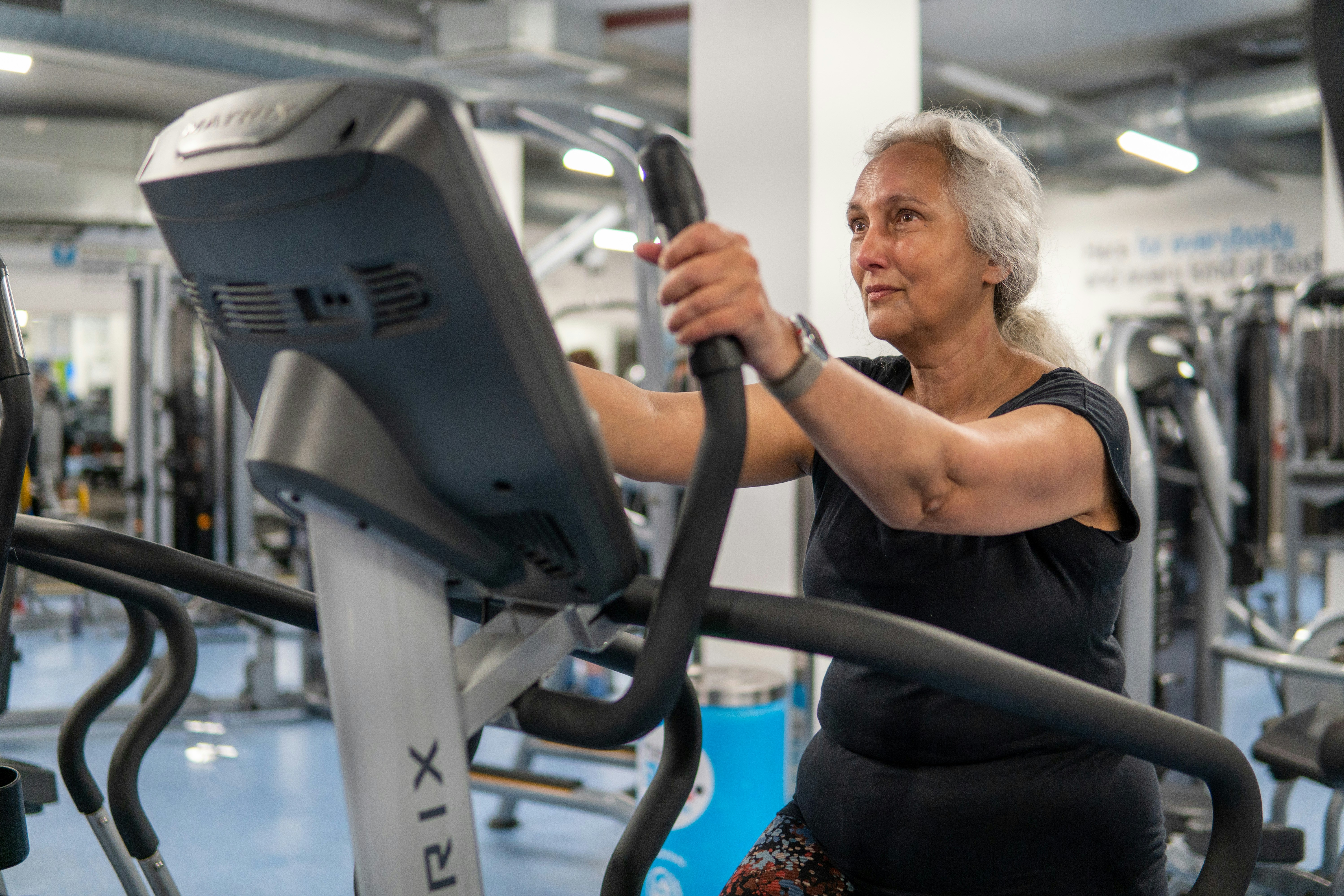
Understanding Cardiovascular Health
Cardiovascular health is vital for individuals of all ages, but it carries particular significance as one reaches the age of 50 and beyond. With aging, the heart and blood vessels undergo natural changes that can heighten the risk of various cardiovascular diseases. These include conditions such as hypertension, heart failure, and atherosclerosis. Therefore, understanding and prioritizing cardiovascular health becomes critical for maintaining overall well-being.
Maintaining a robust cardiovascular system offers numerous benefits that contribute to a higher quality of life. First and foremost, improved heart function facilitates better blood circulation, which is essential for delivering oxygen and nutrients to different parts of the body. Enhanced circulation not only aids in physical activity but also optimizes the functioning of various organs and systems. This is particularly important as age-related decline in cardiovascular efficiency can lead to fatigue and decreased stamina.
Moreover, an effective cardiovascular system plays a crucial role in preventing age-related diseases. Regular cardiovascular exercise, such as walking, swimming, or cycling, has been shown to significantly lower the risk of developing chronic conditions like Type 2 diabetes and certain types of cancers. Engaging in physical activity can also assist in weight management, which is another key factor in maintaining heart health as one ages.
In addition to these physical benefits, cardiovascular health contributes to mental and emotional well-being. Research indicates that regular cardio activity can help lessen symptoms of anxiety and depression, which may become more prevalent as individuals navigate the challenges of aging. Thus, fostering cardiovascular health provides holistic advantages that extend beyond just physical fitness.
Recommended Cardio Guidelines for Seniors
Engaging in cardiovascular exercise is essential for maintaining health and well-being, especially for individuals over the age of 50. Health organizations such as the American Heart Association and the Centers for Disease Control and Prevention provide guidelines that emphasize the importance of regular cardio activity for seniors. The focus is on promoting longevity, enhancing physical capacity, and preventing various health issues.
Generally, older adults are encouraged to participate in at least 150 minutes of moderate-intensity aerobic exercise every week. This can translate to 30 minutes on most days, which can be easily segmented into shorter periods based on personal comfort and schedule. Activities such as brisk walking, swimming, cycling, and dancing are recommended as they not only elevate heart rate but also improve flexibility and coordination.
Furthermore, it is important to include strength training exercises at least twice a week. While not considered cardio in the traditional sense, these activities complement aerobic workouts by helping to maintain muscle mass and endurance. Ideal strength training exercises for older adults include bodyweight resistance activities, light weight lifting, and yoga.
Before beginning any new exercise regimen, seniors should consult with healthcare professionals, especially if they have pre-existing health conditions. This step ensures that individuals choose suitable types of cardio exercises, and it allows for personalized recommendations that take into account specific health status and fitness levels.
In addition to duration and frequency, the type of exercises performed is crucial. Low-impact activities are particularly beneficial for older adults as they minimize stress on joints while still providing the cardiovascular benefits needed for optimal heart health. Activities such as water aerobics or cycling on a stationary bike are excellent choices that combine safety with effectiveness.
Listening to Your Body: Personalizing Your Cardio Routine
As individuals age, it becomes increasingly vital to tailor exercise routines to one’s specific health conditions and fitness levels. Recognizing personal limits is an essential aspect of creating a sustainable cardio plan. Engaging in cardiovascular activities without understanding your body’s signals can lead to undue strain or even injury. Therefore, it is important to listen to your body to ensure that the exercises undertaken are both effective and safe.
One of the key indicators of overexertion is fatigue. Feeling excessively tired during or after a workout can be a sign that the intensity or duration of your cardio routine is too high. Additionally, signs such as dizziness, shortness of breath, or persistent discomfort should prompt a reevaluation of your current regimen. It is advisable for those over 50 to pay close attention to these signals and adjust their cardio routines accordingly.
When personalizing a cardio plan, individuals should consider their overall health status. Those with existing medical conditions, such as heart disease or joint issues, should consult healthcare professionals before starting any rigorous activity. Tailoring your cardio exercises involves not only selecting the right intensity but also choosing modalities that are enjoyable and feasible. For example, brisk walking, swimming, or stationary cycling can provide great cardiovascular benefits without excessive strain on the body.
Moreover, incorporating rest days and varying your workouts can prevent overuse injuries and allow recovery. Gradually increasing the intensity of workouts can also help in adapting to new fitness levels. By acknowledging personal limits and being attuned to the body’s responses, older adults can effectively customize a cardio plan that enhances their health while reducing the risk of adverse effects.
Incorporating Cardio into Daily Life
Integrating cardiovascular exercise into daily routines is essential for individuals over the age of 50, as it promotes better health and enhances overall well-being. There are several enjoyable activities that can easily be woven into a typical day, making it easier to maintain a regular exercise regimen.
One of the simplest ways to incorporate cardio is through walking. This low-impact activity is not only accessible but also adaptable to various fitness levels. Whether it’s a leisurely stroll in the park, a brisk walk around the neighborhood, or even walking on a treadmill indoors, this form of cardio can be done year-round. Many individuals find walking with a friend or a pet adds social interaction, making the experience even more rewarding.
Swimming is another excellent option for cardiovascular exercise, particularly for those with joint issues. It provides a full-body workout while being gentle on the body. Local swimming pools often offer classes that target different fitness levels, creating an opportunity for individuals to engage in social and structured exercise environments.
Biking, whether stationary or outdoors, serves as a versatile cardio option as well. Cycling allows individuals to enjoy their surroundings while getting a robust workout. Many communities have bike trails that provide scenic routes, encouraging a more enjoyable experience than traditional exercising methods.
Moreover, activities like dancing or joining a fitness class can add a fun element to cardiovascular workouts. These options promote not only physical health but also social connections, which are vital as one ages. Incorporating varied activities not only keeps the routines engaging but also challenges different muscle groups, enhancing overall fitness.
Incorporating these forms of cardiovascular exercise into daily life can significantly contribute to improved health outcomes for those over 50. By making exercise enjoyable and part of the daily routine, individuals can better maintain their fitness levels and improve their quality of life in their later years.
