
Building Muscle After 50: What Really Works
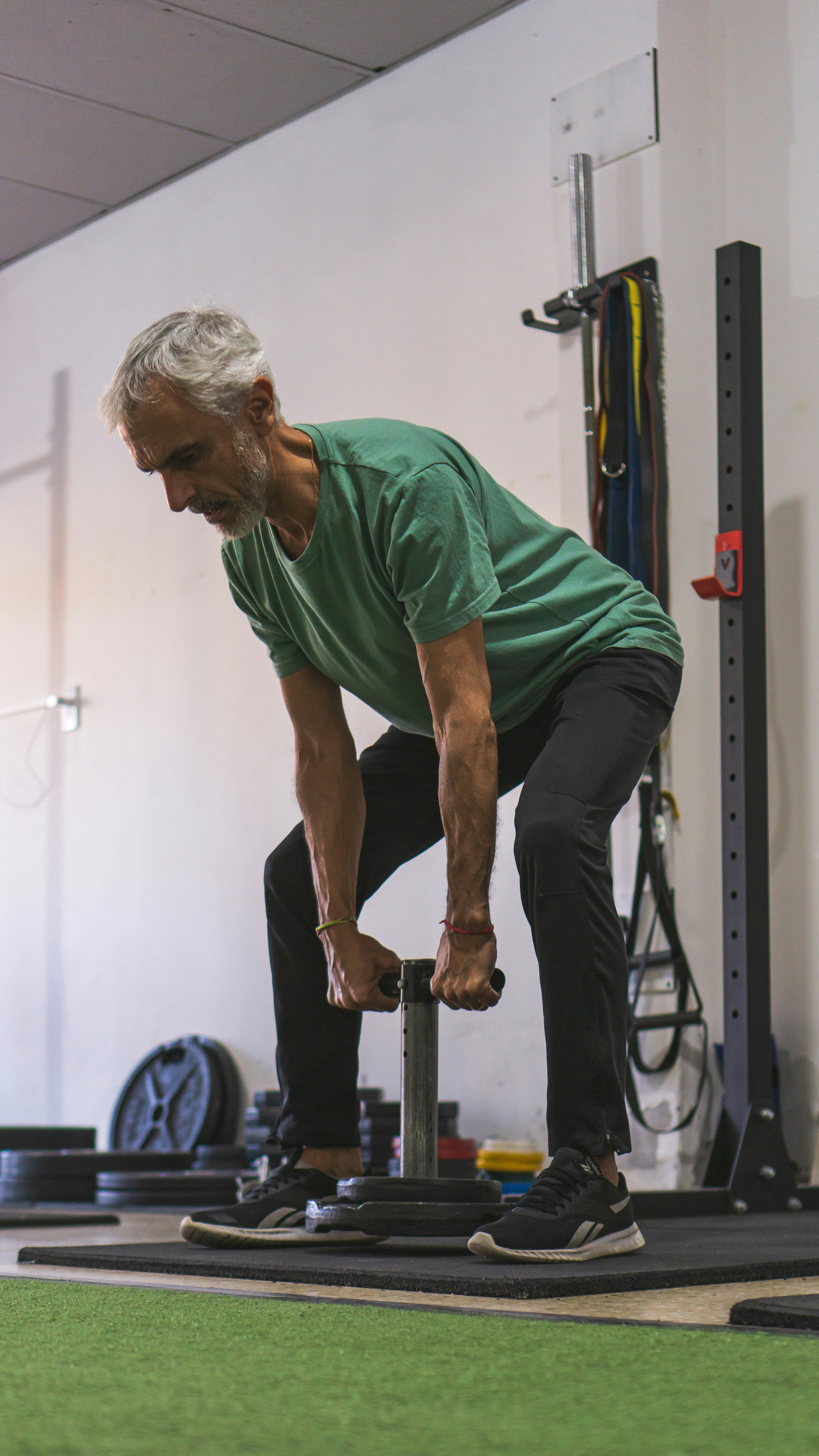
Understanding Muscle Changes with Age
As individuals reach the age of 50, a variety of physiological changes begin to occur, particularly in muscle tissue. One significant condition associated with aging is sarcopenia, which refers to the gradual loss of muscle mass and strength. This decline is not merely a result of aging but is often exacerbated by lifestyle factors, including decreased physical activity and poor dietary habits.
Hormonal shifts play a crucial role in muscle physiology as we age. Specifically, the decline in anabolic hormones such as testosterone and growth hormone can lead to diminished muscle protein synthesis. These hormones are essential for maintaining muscle mass; therefore, their reduction can directly contribute to the accelerated loss of muscle tissue. Moreover, the aging process affects the body’s insulin sensitivity, which is integral to nutrient absorption and muscle recovery post-exercise.
Research indicates that after the age of 50, individuals may experience a reduced rate of protein synthesis, making it more challenging to rebuild muscle after strenuous activity. Studies show that older adults may require higher amounts of protein in their diets to stimulate the same anabolic responses seen in younger individuals. This necessity for increased protein intake underscores the importance of nutrition in combating age-related muscle loss.
In addition to hormonal and dietary changes, a sedentary lifestyle is a significant factor in muscle decline. As people enter their fifties and sixties, they may engage in less physical activity due to various reasons, including work commitments, caregiving responsibilities, or even a natural inclination toward a more sedentary lifestyle. This decrease in activity leads to muscle disuse, further accelerating the loss of muscle strength and mass.
Understanding these physiological changes is paramount for those seeking to maintain or enhance their muscle health as they age. Awareness of the factors that contribute to muscle loss can help individuals take proactive steps to mitigate its effects, potentially leading to a more active and fulfilling life even after the age of 50.
Effective Strength Training Techniques for Older Adults
As individuals age, maintaining muscle mass becomes increasingly important for overall health and wellness. Strength training plays a crucial role in building muscle after 50, offering numerous benefits such as improved balance, enhanced metabolic rate, and better bone density. This section will explore effective strength training methods specifically tailored for older adults.
One of the foundational principles of resistance training for this demographic is the emphasis on safety and technique. Older adults should focus on exercises that promote stability and mobility while being mindful of their body’s limitations. Compound movements, such as squats, lunges, and push-ups, are particularly beneficial, as they engage multiple muscle groups and enhance functional strength.
When beginning a strength training regimen, it is essential to start with light weights or even body weight exercises. Gradually increasing resistance allows the muscles to adapt and grow without excessive strain. Research suggests engaging in strength training exercises at least two to three times per week, ensuring a rest day between sessions for recovery, which is critical for muscle development.
Intensity and volume also play vital roles in effective strength training for older adults. It’s generally recommended to perform 1 to 3 sets of 8 to 12 repetitions per exercise, ensuring that the last few repetitions are challenging but achievable. Modifications can be made to accommodate various fitness levels; for instance, using resistance bands or lighter weights can offer a great alternative for those new to strength training or recovering from injury.
Finally, flexibility and balance exercises should complement strength training. Incorporating activities such as yoga or Pilates can improve overall body functionality and reduce the risk of injury. Engaging in a well-rounded fitness routine that includes strength, flexibility, and balance will yield the best results for muscle building and overall health in individuals over 50.
Importance of Nutrition in Muscle Building After 50
Nutrition plays a pivotal role in muscle building, especially for individuals over the age of 50. As the body ages, metabolic processes change, and the requirements for specific nutrients become more pronounced. For older adults aiming to enhance muscle mass, a well-balanced diet rich in essential nutrients is crucial.
One of the most significant dietary components for muscle building is protein. Research suggests that protein intake is vital for stimulating muscle protein synthesis, which is essential for growth and recovery. Older adults should aim to consume a minimum of 1.2 to 2.0 grams of protein per kilogram of body weight per day. This can be achieved through lean meats, dairy products, legumes, and nuts, ensuring a steady supply of amino acids needed for muscle repair and maintenance.
In addition to protein, other nutrients play important roles in muscle health. Vitamins and minerals, particularly vitamin D and calcium, are vital for muscle function and strength. Vitamin D helps in calcium absorption and is linked to improved muscle performance. Older adults can obtain these nutrients through a variety of foods such as leafy greens, fortified cereals, and fish. Ensuring adequate hydration is also critical; water supports overall bodily functions and aids in the recovery process post-exercise.
The timing of meals can further enhance muscle growth and recovery. Consuming protein-rich snacks or meals after workouts can significantly improve muscle repair. It is often recommended that older individuals eat meals that contain protein spaced evenly throughout the day to promote a consistent influx of amino acids into the bloodstream. This strategic approach helps optimize muscle-building responses and improve overall performance.
In conclusion, focusing on nutrition is essential for older adults seeking to build muscle effectively. By prioritizing a protein-rich diet, ensuring proper hydration, and timing meals to support recovery, one can foster an environment conducive to muscle growth and improved physical health after the age of 50.
Success Stories and Expert Recommendations
As individuals enter their 50s, the journey of building muscle may seem daunting; however, numerous success stories illustrate that significant gains are achievable at this age. One such example is that of a 55-year-old woman who began her fitness journey after retirement. Through a focused regimen that incorporated strength training, she was able to increase her muscle mass by 20% over a year, significantly improving her overall health and vitality. Her story emphasizes the importance of consistency and setting realistic goals.
Another inspiring example is a 62-year-old man who, after facing health challenges, embraced a fitness program that combined resistance training with balanced nutrition. His comprehensive approach enabled him to gain strength and encourage others in his community to follow suit. This showcases the potential for transformation and the role of support systems in motivating individuals to pursue fitness goals.
Fitness experts agree that for those over 50, the focus should be on progressive overload and proper recovery. Incorporating a variety of exercises, such as weight lifting and bodyweight workouts, is critical for muscle growth. Additionally, a diet rich in protein is essential for muscle repair and building. Experts often recommend working with a personal trainer who can tailor a program to individual needs and help mitigate the risk of injury, which is paramount for this age group.
Moreover, the importance of staying motivated cannot be overstated. Setting attainable milestones and celebrating small victories can help maintain enthusiasm and commitment. Fitness professionals also suggest keeping a journal to track progress or joining group classes to foster a community spirit that can motivate individuals during their journey.
In conclusion, achieving muscle growth after 50 is possible, as demonstrated by various success stories. With expert guidance, a tailored approach to training, and sustainable lifestyle changes, individuals can enhance their strength and overall well-being, proving that age is not a barrier but rather a motivator for growth.
