
Building Muscle After 50: Essential Insights Before You Start

Understanding Muscle Growth in Older Adults
As individuals age, they inevitably experience various physiological changes, particularly concerning muscle growth. One of the most prominent issues among older adults is the natural decline in muscle mass and strength, a condition clinically recognized as sarcopenia. Sarcopenia typically begins in the third decade of life and accelerates as individuals reach their sixties and beyond. This loss of muscle can significantly affect the quality of life, leading to mobility issues and increased fall risk. Therefore, understanding these changes is vital for older adults aiming to maintain or increase their muscle strength.
Despite the challenges posed by sarcopenia, it is encouraging to note that older adults can still successfully build muscle through various interventions. Engaging in regular resistance training has been shown to stimulate muscle protein synthesis, thereby counteracting some of the effects of aging. Exercise not only helps in enhancing muscle strength and endurance but also contributes to improved overall health, reducing the risk of chronic diseases such as obesity, diabetes, and cardiovascular conditions.
Moreover, nutrition plays a critical role in muscle health for older adults. Adequate protein intake, along with other essential nutrients, supports muscle repair and growth. Older adults may require increased protein consumption to stimulate muscle synthesis effectively. This is a crucial factor, as many older individuals tend to consume less protein in their diets.
In addition to resistance training and nutrition, it is important to promote a holistic approach to muscle health. This includes maintaining an active lifestyle that integrates flexibility and balance exercises. Such a multifaceted strategy not only helps in building muscle but also enhances overall well-being, making it easier for older adults to perform daily activities with confidence.
Key Considerations Before Starting a Muscle-Building Regimen
Embarking on a muscle-building program after the age of 50 requires careful consideration and planning. One of the first steps is to assess your current fitness levels. This involves understanding your baseline strength, endurance, flexibility, and overall physical condition. Establishing this baseline is crucial for tailoring a workout regimen that is both effective and safe. It may be beneficial to keep a log of your activities and progress, which can further inform your training decisions.
Another important factor to consider is your health status, including any pre-existing medical conditions. Individuals over 50 often face unique health challenges, such as decreased bone density, joint issues, or cardiovascular concerns. Before initiating any exercise program, it is advisable to consult with healthcare professionals, including your primary care physician or a specialist, to ensure that you can participate safely. They can provide insights and recommendations tailored to your specific health profile.
Additionally, engaging with fitness professionals such as personal trainers can enhance your muscle-building journey. A qualified trainer can create a personalized workout plan that takes into account your goals, fitness level, and any limitations you may have. They can also educate you on proper techniques to avoid injury and improve performance. Proper guidance is especially important in strength training, where the risk of injury may be higher without professional oversight.
Furthermore, it is important to incorporate elements of recovery and nutrition into your regimen. As we age, our bodies require more time to recover from workouts, and adequate protein intake becomes increasingly vital in supporting muscle synthesis. Therefore, balancing your exercise with recovery, hydration, and nutrition will facilitate progress in your muscle-building efforts.
In conclusion, understanding these key considerations before starting a muscle-building regimen after 50 will help in formulating a safe and effective program that aligns with personal health needs and fitness goals.
Effective Exercises for Building Muscle After 50
For older adults seeking to build muscle effectively, engaging in a variety of exercises is essential. The primary focus should be on resistance training, which can take many forms, including weightlifting and bodyweight exercises. Resistance training is particularly beneficial for seniors, as it not only enhances strength but also contributes to overall functional fitness, helping to prevent injuries and improve mobility.
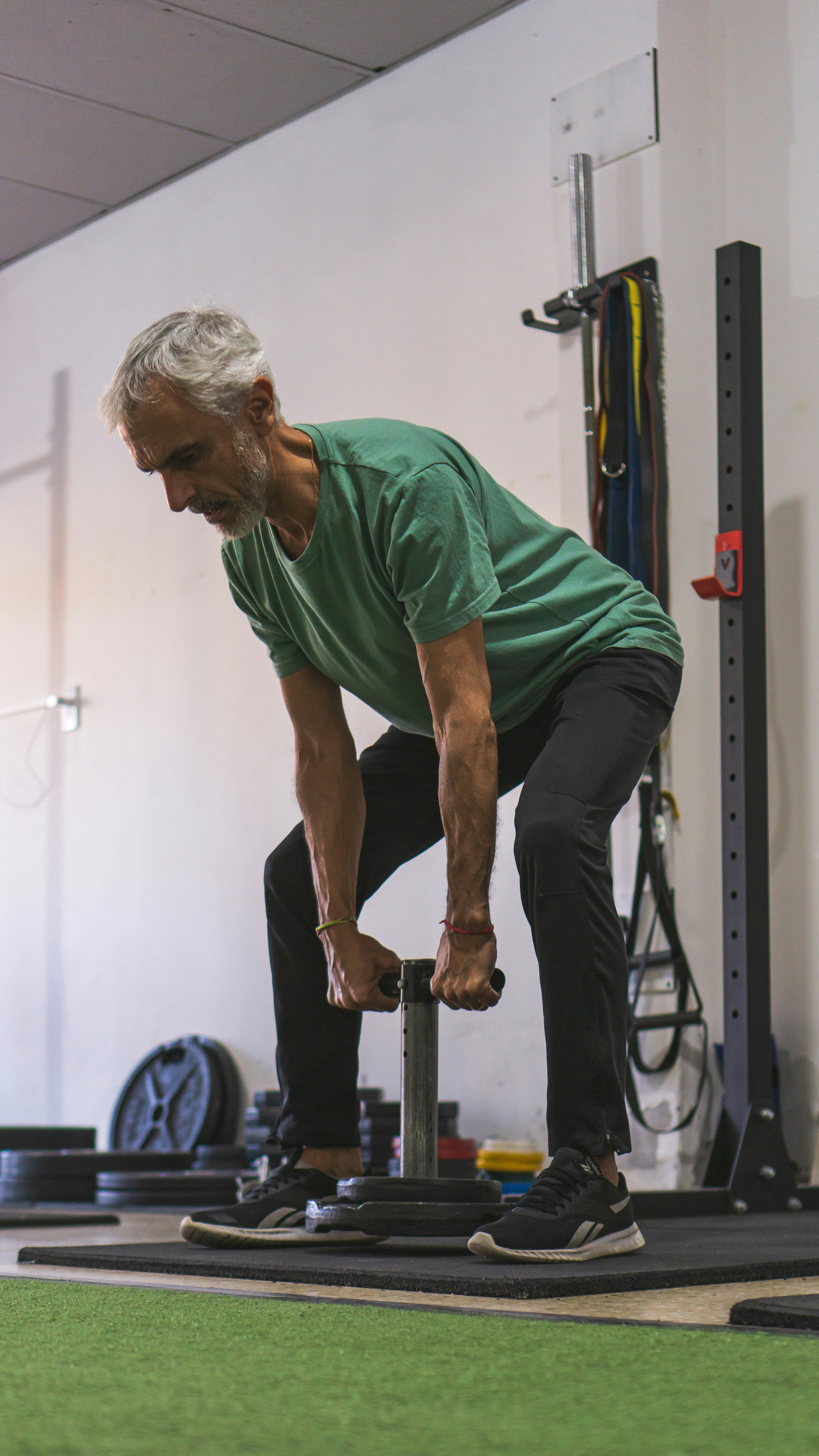
Weightlifting is a popular choice for muscle building, as it involves the use of various free weights and machines to apply resistance. Beginners can start with lighter weights, ensuring proper form to prevent injury. Key exercises include squats, deadlifts, and bench presses, which target major muscle groups and promote balanced muscle development. Incorporating compound movements, which engage multiple joints and muscle groups simultaneously, can lead to effective strength gains.
Bodyweight exercises are another excellent option, especially for those who may not feel comfortable lifting weights initially. Exercises such as push-ups, planks, and squats can be modified to suit varying fitness levels. For example, a wall push-up is a gentler version of a standard push-up that still provides benefits without putting undue strain on joints.
As individuals progress in their exercise routines, it is crucial to gradually increase the intensity of workouts. This can involve adding more weight, increasing the number of repetitions, or adjusting rest periods. Keeping a workout journal can help in tracking progress and identifying when it is time to elevate the intensity. Additionally, seeking guidance from a certified trainer can provide personalized recommendations tailored to individual needs and goals.
Ultimately, the key to building muscle after 50 lies in consistency, patience, and a willingness to adapt. Incorporating a mix of resistance training, weightlifting, and bodyweight exercises will not only aid in muscle growth but will also enhance overall health and quality of life.
Nutrition Strategies to Support Muscle Development
Nutrition plays a pivotal role in muscle development, especially for individuals over the age of 50. As one ages, the body’s ability to synthesize protein decreases, making the intake of essential nutrients a critical factor for muscle health. To support muscle growth and repair, it is important to focus on a well-balanced diet that incorporates adequate levels of protein, vitamins, and minerals.
First and foremost, protein is fundamental to muscle repair and growth. Adults over 50 should aim to consume high-quality protein sources in each meal. Options such as lean meats, poultry, fish, eggs, dairy products, and plant-based sources like legumes and tofu should be prioritized. The recommended dietary allowance for protein may increase for older adults, who may benefit from around 1.2 grams of protein per kilogram of body weight to preserve muscle mass.
In addition to protein, certain vitamins and minerals play a significant role in supporting muscle health. For instance, vitamin D is essential not just for bone health but also for muscle function. It can be obtained through sunlight exposure and dietary sources such as fatty fish and fortified dairy. Additionally, B vitamins, particularly B12, are crucial for energy metabolism and can often be lacking in older populations, especially in those who follow a vegetarian or vegan diet.
Moreover, minerals such as magnesium and zinc are important for muscle contraction and recovery. Foods rich in these minerals—including nuts, seeds, whole grains, and leafy greens—should be integrated into daily meals. Hydration is another key dietary consideration; adequate fluid intake is necessary for overall bodily function and can aid in muscle recovery following exercise.
Implementing dietary strategies such as meal prepping can help ensure consistent intake of these vital nutrients. Planning meals around protein-rich foods and incorporating a variety of fruits and vegetables can enhance overall nutritional quality, promoting optimal muscle health.
