

Best Leg Strength Exercises for People Over 50 to Stay Strong and Fall-Resistant
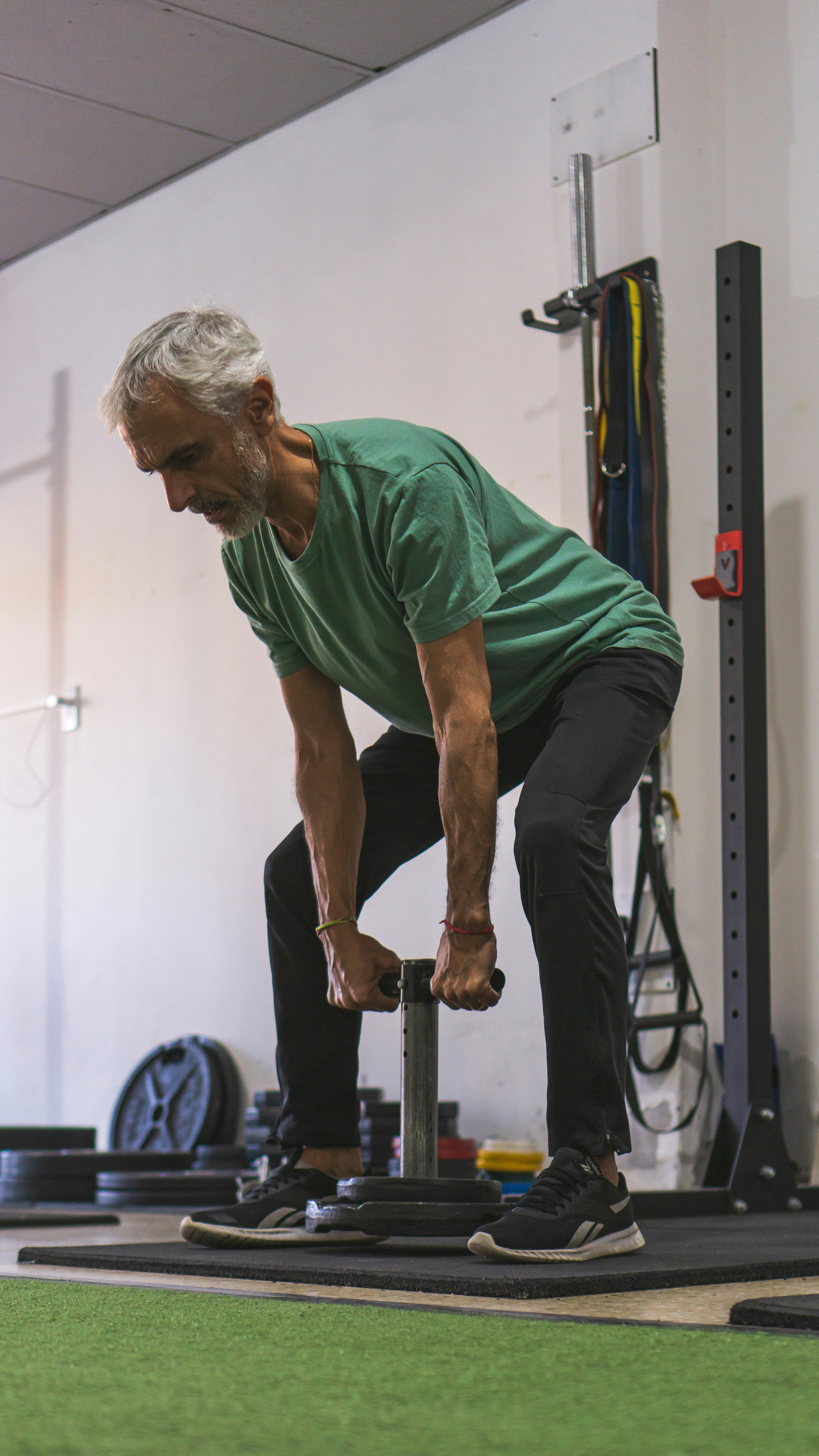

Understanding the Importance of Leg Strength After 50
As individuals age, maintaining leg strength becomes increasingly essential for overall well-being. The significance of strong legs lies in their direct correlation with balance, mobility, and the prevention of falls, all of which are critical for those over 50. As we grow older, our muscle mass naturally begins to decline, a condition known as sarcopenia. This decrease in muscle strength can significantly impact daily activities, limiting independence and increasing the risk of falls.
Leg strength plays a vital role in stability and balance. Strong leg muscles support joint health and improve postural alignment, thereby reducing the likelihood of falls. Falls among older adults can lead to severe injuries, including fractures and complications that may necessitate long-term care. Therefore, maintaining and enhancing leg strength is an essential strategy for mitigating these risks.
Targeted leg exercises are effective in counteracting age-related muscle loss. Engaging in regular strength training not only combats sarcopenia but also fosters the development of lean muscle mass. This muscle growth is crucial for maintaining an active lifestyle and sustaining mobility, which are key components in enhancing the quality of life for individuals over 50. Additionally, improved leg strength contributes to better performance in everyday tasks, such as climbing stairs, standing up from a seated position, and walking, all of which promote independence.
Incorporating leg-strengthening exercises into a regular fitness routine can lead to enhanced physical function and a more active lifestyle. Ultimately, prioritizing leg strength not only promotes longevity but also encourages individuals to remain engaged and active in their communities, diminishes the fear of falling, and cultivates a sense of empowerment as they navigate their later years.
Top Leg Strength Exercises for Seniors
Leg strength is essential for maintaining mobility and independence, particularly for individuals over 50. Incorporating specific exercises into a regular fitness routine can enhance leg strength, improve balance, and reduce the risk of falls. Below are some of the best leg strength exercises tailored for seniors, along with their benefits and proper execution.
Squats: Squats are a fundamental exercise that targets the quadriceps, hamstrings, and glutes. To perform a squat, stand with your feet shoulder-width apart. Keeping your back straight, lower your body as if sitting back into a chair. Ensure your knees do not extend past your toes. Hold for a moment and rise back to the starting position. For those with limited mobility, chair squats can be performed by sitting back into a sturdy chair.
Lunges: Lunges are great for improving balance and strengthening the legs. Begin by standing upright and stepping forward with one leg while lowering your hips. Ensure your front knee is directly above your ankle. Push back to the starting position and repeat with the opposite leg. For a modification, perform lunges in place or reduce the range of motion as needed.
Leg Presses: Leg presses can be done using gym equipment tailored for seniors. This exercise focuses on the quadriceps and hamstrings. Start by sitting on the leg press machine with your feet shoulder-width apart on the platform. Slowly push the platform away by extending your legs, ensuring not to lock your knees at full extension. Bend your knees to return to the starting position.
Calf Raises: This exercise strengthens the calves and assists in improving balance. Stand upright, holding onto a sturdy surface for support if needed. Slowly rise onto your toes, lifting your heels off the ground. Hold for a moment before lowering back down. For an increased challenge, complete this exercise on a step, allowing your heels to drop below the step level.
Engaging in these exercises regularly can significantly enhance leg strength and functional mobility, ultimately contributing to a healthier, more active lifestyle.
Safety Tips and Precautions When Exercising
Engaging in leg strength exercises can greatly benefit individuals over the age of 50, enhancing not only muscle strength but also overall stability and balance. However, safety should always be a priority. One of the first steps is to ensure a proper warm-up before beginning any exercise routine. Light cardiovascular activities such as walking or gentle cycling for about 5 to 10 minutes can prepare the muscles and joints for more strenuous work.
Utilizing correct technique is essential to minimize the risk of injury. When performing leg exercises, focus on posture and alignment. For instance, while executing squats or lunges, it is important to keep the knees aligned with the toes and the back straight. If uncertainty arises regarding proper form, consider seeking guidance from a fitness professional who has experience working with seniors.
Recognizing personal limitations is a crucial aspect of maintaining safety during exercise. It is vital to listen to your body and avoid pushing into pain. If an exercise feels uncomfortable or causes discomfort, modifications should be made accordingly. For those with existing health issues or mobility constraints, it might be beneficial to adjust exercises. Simple modifications, such as performing leg lifts while seated or using a sturdy chair for support during standing exercises, can make the routine safer and more enjoyable.
Moreover, consulting with a healthcare professional before starting any new exercise program is highly recommended. This step can provide a clearer understanding of any health conditions that might influence exercise choices, ensuring that the chosen activities are both beneficial and safe. Adhering to these precautions can help individuals over 50 exercise effectively while reducing the risk of falls and injuries.”
Creating a Consistent Workout Routine for Longevity
Establishing a sustainable workout routine focusing on leg strength is crucial for individuals over 50 who wish to remain strong and fall-resistant. The first step in this process is to set realistic goals tailored to personal fitness levels and capabilities. These objectives can range from simple tasks like completing a specific number of repetitions of an exercise to more complex aspirations, such as achieving improved balance or enhanced endurance. This approach ensures that the individual feels a sense of achievement as each milestone is met.
Scheduling workouts is equally important in creating a successful routine. Finding a consistent time during the week to engage in leg strength exercises helps build a habit. It is advisable to select a frequency that aligns with personal lifestyle preferences, whether it is two, three, or even four sessions per week. Consistency is key, and having designated workout times helps to establish a rhythm that promotes long-term adherence.
Incorporating variety into the leg exercise regimen not only combats monotony but also targets different muscle groups, enhancing overall strength and resilience. For instance, pairing traditional exercises like squats and lunges with newer activities, such as resistance band workouts or balance-focused training, can prove beneficial. This balanced approach also supports the integration of flexibility and balance exercises, crucial elements of an overall fitness strategy that bolster leg strength.
Tracking progress is essential in maintaining motivation and facilitating adjustments to the routine. Individuals can keep a fitness journal or use digital fitness apps to log exercises, track performance, and monitor improvements over time. As strength and stamina increase, the workout can be adapted to include more challenging exercises or higher repetitions, ensuring continued progress and engagement.
