
A Gentle 10-Minute Daily Mobility Routine for Beginners with Stiff Joints
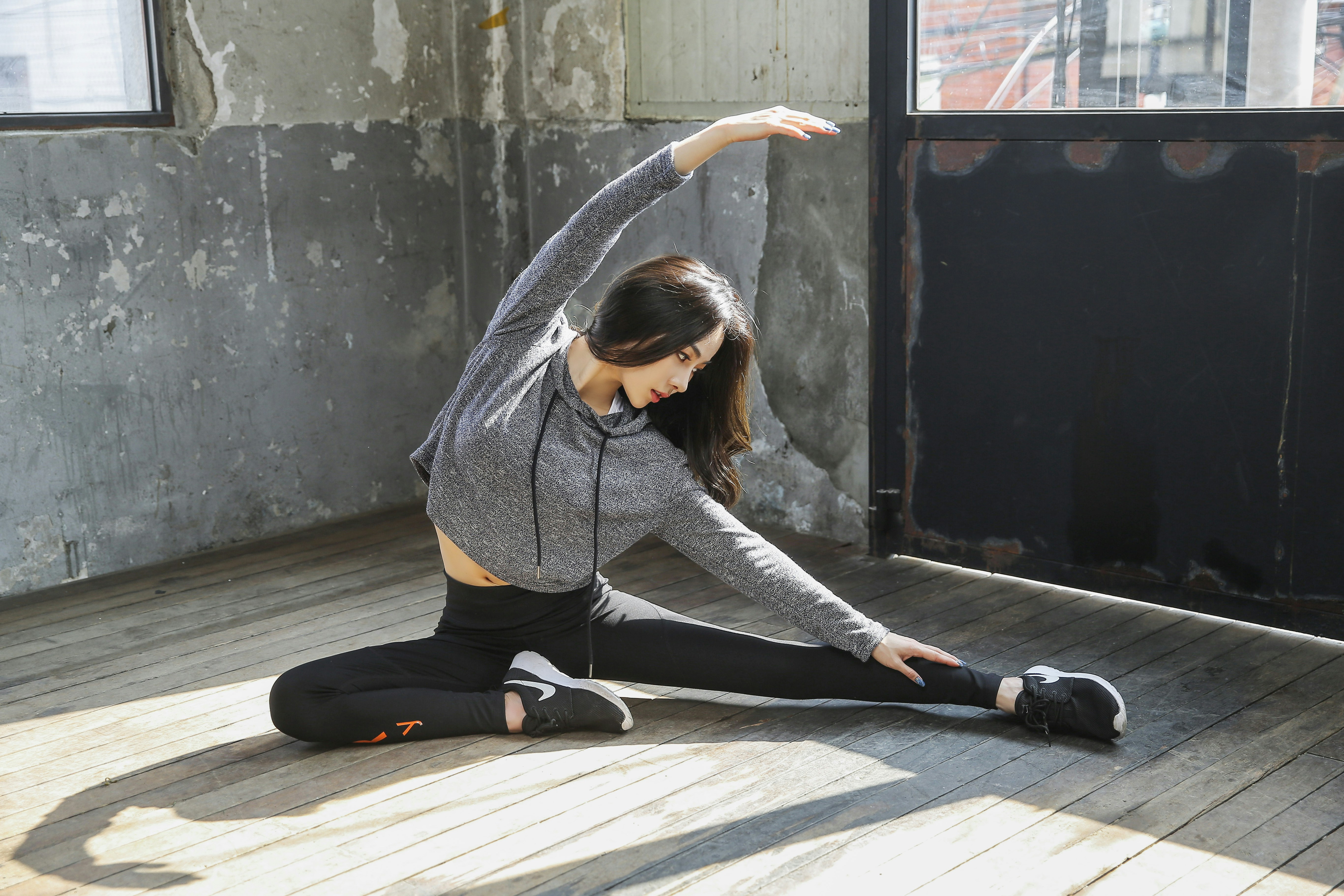
Mobility is the ability to move a joint through a comfortable, controlled range of motion. It is related to, but different from, flexibility, which generally describes how much a muscle or connective tissue can lengthen. Stretching is one method that may support flexibility, while strength training develops the muscles that help control movement. A gentle mobility routine brings these elements together through purposeful, manageable motion rather than forcing a joint into its furthest position.
Stiffness can develop for many ordinary reasons. Prolonged sitting, limited activity, repetitive movements, stress, aging, or suddenly trying an unfamiliar form of exercise may all make movement feel restricted. Feeling stiff does not automatically mean that an injury is present. A short daily practice can help you notice how your joints move, make everyday activities feel easier, encourage more comfortable posture, and reduce the sensation of tightness. It can also build confidence for people who are beginning to move more regularly.
Keep expectations realistic. Ten minutes will not create a dramatic transformation in one session, and mobility is not a test of how far you can stretch. The goal is gradual, comfortable progress. Consistency usually matters more than intensity, so repeating gentle movements each day is often more useful than pushing hard occasionally. Breathe continuously, move slowly, and remain within a pain-free or comfortably challenging range. Avoid bouncing, forcing an end position, or comparing your movement with someone else’s.
Stop the routine if you experience sharp pain, numbness, tingling, dizziness, unusual swelling, or symptoms that worsen during or after movement. Anyone with a recent injury, significant joint condition, unexplained pain, balance concerns, or medical restrictions should seek guidance from a qualified healthcare professional before beginning. Appropriate advice can help determine which movements are suitable and how to adapt them safely.
Minute 1—Warm-up: Stand tall near a wall or sturdy chair, feet hip-width apart. March gently in place, or shift weight from one foot to the other, for 60 seconds. Let the arms move naturally and breathe comfortably. If balance is uncertain, keep one hand supported and make the steps smaller.
Minute 2—Shoulders and breathing: Remain standing or sit upright. Inhale through the nose as the shoulders lift slightly; exhale as they roll back and down. Add relaxed arm swings or small reaches for 60 seconds. Keep the neck easy, and pause whenever tension increases.
Minute 3—Neck mobility: Sit or stand with the spine comfortable. Slowly turn the head a little to the right and left, then gently nod up and down, repeating each action four to six times. Breathe steadily and avoid forceful circles or dropping the head backward.
Minute 4—Upper-back rotation: Sit with feet grounded or stand beside a chair. Cross the arms loosely, then rotate the chest gently right and left for six repetitions per side. Exhale into each turn while keeping the hips mostly still. Hold support if standing feels unsteady.
Minute 5—Pelvis and hips: Stand with a hand on a chair, or sit upright. Slowly tilt the pelvis forward and backward six to eight times, then make small hip circles in both directions for 30 seconds. Coordinate movement with easy breathing and stay within a comfortable range.
Minute 6—Hip hinge: Hold a chair and soften the knees. Send the hips backward while keeping the spine long, then press through the feet to return. Repeat six to eight times, exhaling as you rise. A smaller hinge or seated forward lean is a suitable alternative.
Minute 7—Knees and ankles: With both hands supported, bend and straighten the knees gently six to eight times. Rise onto the toes for six heel raises, then circle each ankle four times in each direction. Keep movements slow and breathe normally.
Minute 8—Supported squat: Face a chair and hold it lightly. Push the hips back into a shallow squat, or practice standing up and sitting down, for six repetitions. Exhale while rising; limit depth to comfort and use a higher seat if needed.
Minute 9—Spine and sides: Stand supported or sit tall. Alternate a gentle chest-opening arch with a small rounding motion, like standing cat-cow, for six repetitions. Add four easy side bends per direction, inhaling to lengthen and exhaling into each bend.
Minute 10—Cool-down: Walk slowly around the room for 30 seconds, then stand or sit and take five relaxed breaths. Notice changes in stiffness, balance, and comfort from head to feet. Finish without forcing any position, and stop if pain, dizziness, or unusual symptoms occur.
Make the routine feel safe before trying to make it challenging. If you are very stiff, deconditioned, older, or nervous about movement, begin with a sturdy chair, wall, countertop, or another stable support nearby. Use it for standing exercises such as marching, heel raises, or gentle weight shifts. You may also complete the entire sequence seated. Seated marching replaces standing marches, while shoulder rolls, arm reaches, trunk rotations, ankle circles, and knee extensions can all be performed from a chair with both feet supported.
Adjust the routine to your current ability rather than forcing a standard range. Move through a smaller comfortable arc, slow the tempo, and perform fewer repetitions when necessary. A single repetition done with control is more useful than several rushed movements. If 10 minutes feels demanding, divide the practice into two five-minute blocks, such as one in the morning and one later in the day. This preserves the daily habit while allowing your body to adapt.
Throughout the sequence, keep the joints softly unlocked rather than rigid, and let the jaw, neck, and shoulders remain relaxed. Move smoothly and under control, avoiding momentum. Breathe continuously; coordinating an exhalation with the easier or effortful phase can reduce unnecessary tension. Never hold your breath. A mild stretch, warmth, or manageable sense of effort is generally acceptable, but sharp, catching, burning, or radiating pain is a warning to stop and reassess. Seek professional guidance if discomfort persists or movement consistently aggravates symptoms.
Progress gradually over several weeks. First, aim for consistent daily practice, even if the movements are small. Next, expand only the ranges that remain comfortable, then add a few repetitions as control improves. After that, work on balance and steadiness, using less support only when safe. Eventually, connect individual exercises into smoother transitions. Progress is not measured by flexibility alone. You may notice that sitting, walking, reaching, dressing, or rising from a chair feels easier, which are meaningful signs that the routine is supporting daily function.
A short mobility routine is easier to maintain when it is connected to an activity that already happens every day. Try completing it after waking, following tooth-brushing, during a work break, or before an evening walk. Choose a time when you are not rushing, and keep the effort at a conversational intensity: breathing should remain steady, and you should be able to speak comfortably. A predictable cue is often more useful than waiting for motivation.
Prepare the space so beginning feels simple and safe. Supportive footwear can improve balance, while enough clear floor space allows movements to be performed without obstruction. A nearby wall or sturdy chair offers additional support when needed. Keep the room at a comfortable temperature, since cold muscles and joints may feel less responsive. If the body feels unusually tired, reduce the number of repetitions or make each movement smaller and slower rather than forcing the planned sequence.
Adapt the session to the demands of the day. After poor sleep or prolonged sitting, use gentle, controlled movements and allow extra time for the body to loosen. Desk work may call for additional attention to the shoulders, chest, neck, and upper back. After travel or other periods of inactivity, give more time to the hips, knees, and ankles. When you are acutely unwell, rest and recovery take priority; a mobility routine should not be used as a substitute for appropriate care or sleep.
Track consistency with a calendar, brief checklist, or a few notes. Record whether you completed the session and notice practical changes, such as standing more comfortably, walking with less stiffness, or finding it easier to turn and reach. Progress does not need to be measured only by increased range of motion. If pain persists or worsens, swelling, instability, substantial loss of function, or symptoms after an injury develop, seek professional evaluation. Numbness, weakness, tingling, or other neurological symptoms also warrant prompt medical advice. A brief, gentle, repeatable practice can support more comfortable movement when performed regularly and within individual limits.
