
A Simple, Effective Alternative to Carb Drinks
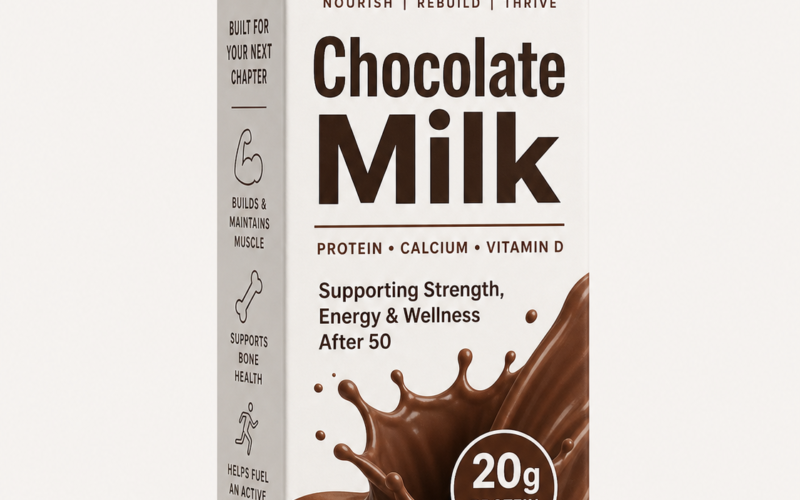

If you have ever finished a tough workout and reached for a sugary recovery drink, you might be overlooking one of the most effective and affordable options available: chocolate milk. Backed by research and widely used by athletes, chocolate milk is often considered the gold standard for recovery nutrition due to its near-perfect balance of carbohydrates and protein.
For adults over 50 focused on maintaining muscle, strength, and recovery, this simple drink can be a powerful addition to your routine.
Why Chocolate Milk Works for Recovery
After resistance training or cardio, your body needs two primary things: glycogen replenishment and muscle repair. Chocolate milk delivers both in a highly efficient package.
- Carbohydrates restore glycogen stores depleted during exercise.
- Protein supports muscle repair and growth.
- Fluids and electrolytes help rehydrate the body.
The key advantage lies in its ratio. Chocolate milk naturally provides a 3:1 to 4:1 ratio of carbohydrates to protein, which research shows is optimal for post-workout recovery.
This ratio helps:
- Replenish energy stores faster
- Reduce muscle breakdown
- Support lean muscle retention, especially important for those over 50
Chocolate Milk vs. Traditional Recovery Drinks
Many commercial recovery drinks are designed to mimic what chocolate milk already provides naturally. The difference is that chocolate milk is:
- More affordable
- Widely available
- Less processed than many powdered supplements
- Backed by multiple studies comparing it favorably to sports drinks
In fact, studies have shown that athletes consuming chocolate milk after workouts often experience equal or better recovery outcomes compared to carbohydrate-only drinks.
Why It Matters More After 50
As we age, muscle protein synthesis becomes less efficient, meaning your body needs more high-quality protein to trigger repair and growth.
Chocolate milk helps address this by providing:
- High-quality complete protein (casein and whey)
- Fast-digesting carbohydrates for recovery
- A convenient, easy-to-consume option when appetite is low post-workout
This makes it particularly valuable for older adults who want to maintain muscle mass, strength, and metabolic health.

How to Use Chocolate Milk Post-Workout
For best results, timing and portion size matter.
- Drink within 30 to 60 minutes after your workout
- Aim for 12 to 16 ounces depending on body size and workout intensity
- Pair with a balanced meal if your session was long or intense
If you train fasted or early in the morning, chocolate milk can serve as both your recovery drink and your first nutrient intake of the day.
Potential Considerations
While chocolate milk is highly effective, it may not be ideal for everyone.
- Lactose intolerance: Consider lactose-free chocolate milk options
- Added sugars: Choose brands with moderate sugar content or make your own
- Calorie control: Be mindful if fat loss is your primary goal
For most people, however, the benefits outweigh these concerns when used strategically.
Frequently Asked Questions
Is chocolate milk better than protein shakes after a workout?
Chocolate milk can be just as effective, and in some cases more effective, because it provides both carbohydrates and protein in an optimal ratio. Many protein shakes lack sufficient carbohydrates unless you add them separately.
What is the ideal carb-to-protein ratio for recovery?
Research supports a ratio of 3:1 to 4:1 carbohydrates to protein for optimal glycogen replenishment and muscle repair. Chocolate milk naturally falls within this range.
Can I drink chocolate milk after strength training?
Yes. Chocolate milk supports muscle repair and glycogen replenishment after both strength training and cardio workouts. It is especially useful for full-body or high-volume sessions.
Is chocolate milk good for weight loss?
It can be, if used strategically. It helps recovery and may reduce overeating later, but you should account for its calories within your daily intake.
What type of chocolate milk is best?
Look for:
- Low-fat or reduced-fat options
- Minimal added sugars
- High-quality dairy sources
You can also make your own using milk, cocoa powder, and a small amount of sweetener for better control over ingredients.
How much chocolate milk should I drink after a workout?
Most people benefit from 12 to 16 ounces post-workout. Larger individuals or those doing intense training may require slightly more.
Final Thoughts
Chocolate milk is not just a convenient option—it is a scientifically supported recovery tool that delivers exactly what your body needs after exercise. For those over 50 looking to preserve muscle, improve recovery, and simplify their nutrition, it offers a practical and effective solution.
Instead of relying solely on expensive supplements, consider adding chocolate milk to your post-workout routine and let its balanced nutrition work in your favor.
:::