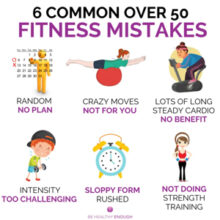

Why Strength Training After 50 Is Non‑Negotiable for Healthy Aging


Aging is inevitable, but rapid physical decline is not. For adults over 50, strength training is no longer optional—it is one of the most effective tools for preserving independence, metabolic health, and overall quality of life.
If your goal is to stay strong, mobile, and capable well into your later decades, resistance training should be a cornerstone of your routine.
The Real Problem: Muscle Loss After 50
Starting around age 30, adults lose approximately 3% to 8% of muscle mass per decade, with that rate accelerating after 50. This condition, known as sarcopenia, leads to:
- Reduced strength and power
- Slower metabolism
- Increased fat gain
- Higher risk of falls and fractures
- Loss of independence
Without intervention, this decline compounds year after year. Strength training is the most effective way to slow—and even reverse—this process.
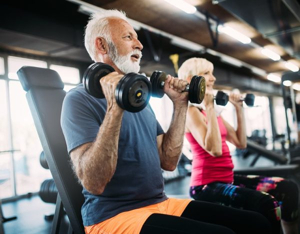
Why Strength Training Becomes Essential After 50
1. Preserves and Builds Lean Muscle
Resistance training directly stimulates muscle protein synthesis, helping older adults maintain and rebuild muscle tissue.
Even beginners in their 60s and 70s can gain measurable strength and muscle with consistent training.
2. Supports Bone Density
Strength training places controlled stress on bones, signaling them to become denser and stronger.
This is critical for preventing osteopenia and osteoporosis, which significantly increase fracture risk with age.
3. Boosts Metabolism and Fat Loss
Muscle is metabolically active tissue. More muscle means:
- Higher resting metabolic rate
- Improved insulin sensitivity
- Better blood sugar control
This is especially important for preventing or managing type 2 diabetes.
4. Improves Joint Health and Mobility
Contrary to common myths, properly executed strength training protects joints by:
- Strengthening surrounding muscles
- Improving stability and alignment
- Enhancing range of motion
This can reduce chronic pain and stiffness often associated with aging.
5. Reduces Risk of Falls and Injury
Falls are one of the leading causes of injury in adults over 50. Strength training improves:
- Balance
- Coordination
- Reaction time
Stronger muscles and better neuromuscular control significantly lower fall risk.
6. Enhances Mental Health and Cognitive Function
Regular resistance training has been linked to:
- Reduced symptoms of depression and anxiety
- Improved cognitive function
- Better sleep quality
Exercise is one of the most underutilized tools for brain health in aging populations.
What Happens If You Don’t Strength Train?
Skipping resistance training after 50 often leads to a predictable pattern:
- Gradual loss of strength
- Increased body fat
- Reduced mobility
- Greater reliance on medications
- Loss of independence in daily tasks
This is not just about aesthetics—it’s about maintaining the ability to live life on your own terms.
How to Start Strength Training After 50
You don’t need to train like a bodybuilder to get results. Focus on consistency and proper technique.
Key Principles
- Train 2–4 days per week
- Focus on compound movements (squats, presses, rows, hinges)
- Use controlled tempo and full range of motion
- Prioritize recovery and sleep
- Progress gradually (increase weight, reps, or sets over time)
Sample Beginner Routine
- Squats or chair squats
- Dumbbell bench press or push-ups
- Seated or standing rows
- Hip hinges or deadlifts (light to moderate load)
- Overhead presses
- Core work (planks, anti-rotation exercises)
Start with 2–3 sets of 8–12 reps per exercise.
Nutrition Matters: Supporting Muscle After 50
Strength training alone isn’t enough—you need the right nutritional support.
Protein Intake
Older adults benefit from higher protein intake due to anabolic resistance. Aim for:
1.2 to 1.6g protein per kg body weight daily
Distribute protein evenly across meals to maximize muscle protein synthesis.
Key Nutrients
- Vitamin D for bone health
- Calcium for skeletal strength
- Creatine monohydrate (well-supported for strength and muscle preservation)
- Omega-3 fatty acids for inflammation control
Common Myths About Strength Training Over 50
“It’s too late to start”
False. Studies consistently show people in their 60s, 70s, and beyond can build strength and muscle.
“Strength training is dangerous”
When done correctly, resistance training is safer than many high-impact activities and reduces injury risk.
“Cardio is enough”
Cardio supports heart health, but it does not prevent muscle loss. You need both.
FAQ: Strength Training After 50
How many times per week should I strength train after 50?
Most adults benefit from 2–4 sessions per week. This allows enough stimulus for muscle growth while providing adequate recovery time.
Can I build muscle after 50 or is it just maintenance?
You can absolutely build muscle. While gains may come slower than in younger years, they are still significant and impactful.
What is the best type of strength training for older adults?
A combination of machine-based and free-weight exercises works well. The priority is safe, controlled movement with progressive overload.
Should I lift heavy weights after 50?
“Heavy” is relative. You should challenge your muscles, but always maintain proper form. Moderate to moderately heavy loads are effective and safe.
Do I need supplements to see results?
Not necessarily, but some supplements can help:
- Protein powder for convenience
- Creatine monohydrate for strength and muscle preservation
- Vitamin D if levels are low
How long before I see results?
Most people notice strength improvements within 3–6 weeks. Visible muscle and body composition changes typically occur within 8–12 weeks.
Is strength training safe if I have joint pain or arthritis?
Yes, and it often helps reduce symptoms. Start with lighter loads, focus on proper form, and consider working with a qualified professional if needed.
Final Takeaway
Strength training after 50 is not about chasing aesthetics—it is about preserving your independence, health, and quality of life. The earlier you start, the greater the benefits, but it is never too late to begin.
If your goal is to age well, stay strong, and remain capable, resistance training is one of the most powerful investments you can make.