Bicep Muscle and excercises
- Concentration curl
- Chin-up
- Barbell curl
- EZ-bar curl
- Preacher curl
The ranking above reflects the best-supported order from the evidence available, with concentration curls showing the highest biceps activation in the ACE study.[1][3][2]
- Concentration curl
- Chin-up
- Barbell curl
- EZ-bar curl
- Preacher curl
This simple list is useful for readers who want a quick “best to good” breakdown before diving into the full article.[1][3]
Best Bicep Exercises for Maximum Muscle Activation
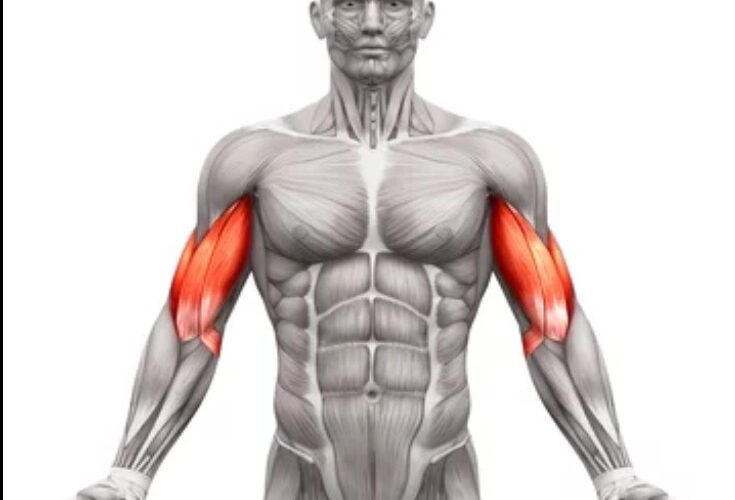
Building bigger biceps is not just about curling weights. The best exercises challenge the biceps through strong elbow flexion, controlled tempo, and a full range of motion. Research comparing common biceps movements found the concentration curl produced the highest biceps activation among the tested exercises.[1][3]
Muscle activation gives you a useful clue about how hard a muscle is working during a lift. Higher activation does not automatically guarantee the best long-term growth, but it often points to exercises that create strong tension and a strong mind-muscle connection. Chin-ups, barbell curls, and preacher curls also remain excellent choices for biceps development.[1][2]
The concentration curl is the most supported exercise for peak biceps activation in the research cited here. It minimizes momentum and forces the biceps to do most of the work, which is one reason it often ranks at the top.[1][3]
How to perform it well:
- Sit on a bench with your feet flat.
- Rest your upper arm against the inside of your thigh.
- Curl the dumbbell slowly while keeping your upper arm still.
- Squeeze at the top, then lower under control.
Chin-ups are one of the best compound movements for biceps growth because they let you handle heavy resistance while strongly recruiting the arms. They also train the back, making them a time-efficient upper-body builder.[2]
How to perform it well:
- Use an underhand grip.
- Start from a dead hang with the chest up.
- Pull until your chin clears the bar.
- Lower with control and avoid excessive swinging.
The barbell curl is a classic biceps builder that allows heavier loading than many single-arm variations. It is especially useful for progressive overload and straightforward programming.[4][5]
How to perform it well:
- Stand tall with elbows close to your sides.
- Curl the bar without leaning back.
- Keep the wrists neutral and controlled.
- Lower slowly to maintain tension.
The EZ-bar curl is often easier on the wrists than a straight bar and still provides excellent biceps tension. It is a smart option for lifters who want a heavy curl pattern with a slightly more comfortable grip.[1][6]
How to perform it well:
- Hold the EZ bar with a shoulder-width grip.
- Keep the elbows pinned near your torso.
- Curl smoothly without jerking.
- Control the lowering phase.
The preacher curl removes a lot of body English, which helps isolate the biceps. It is especially useful for strict form and for building tension through the lower portion of the curl.[1][6]
How to perform it well:
- Sit with your upper arms supported on the preacher pad.
- Start with the elbows extended but not locked hard.
- Curl up in a smooth arc.
- Lower slowly to avoid bouncing out of the bottom.
For a clean visual reference of good biceps curl form, a Mayo Clinic instructional video page shows the basic dumbbell curl setup with the palm facing upward and the elbow kept close to the body.[7]
To build bigger biceps, combine one high-activation isolation move like the concentration curl with one heavier compound move like the chin-up. That pairing gives you both strong neural recruitment and enough overload to support growth.[1][2]
A practical approach is to use 2 to 4 total biceps exercises per workout, focusing on controlled reps and full range of motion rather than swinging the weights. Good technique matters more than using the heaviest load possible.[4][7]
Which bicep exercise has the highest activation?
The concentration curl ranked highest in the ACE comparison of common biceps exercises.[1][3]
Yes. Chin-ups strongly recruit the biceps and were one of the top performers in the cited research.[2]
Should I only do isolation curls?
No. A mix of isolation work and compound pulling movements usually gives the best overall arm development.[5][2]
How many bicep exercises should I do?
For most lifters, 2 to 4 exercises per session is enough if the sets are hard and the form stays strict.[4][2]
What is the best rep range for biceps?
A moderate rep range is a strong choice for most curl variations, while heavier chin-up work can be kept lower-rep for strength and overload.[6][2]
