

Understanding Protein Needs for Adults Over 50: Boosting Muscle and Recovery

The Importance of Protein for Aging Adults
Protein plays a vital role in maintaining muscle mass, especially for adults over the age of 50. As individuals advance in age, there is a natural decline in muscle mass and strength, a condition known as sarcopenia. This decrease in muscle tissue can lead to a host of problems, including reduced mobility, increased risk of falls, and a general decline in health. It is essential to address this decline with appropriate nutrient intake, with protein being at the forefront due to its crucial role in muscle maintenance and repair.
Adequate protein consumption supports the body’s ability to regenerate muscle fibers and repair damage, which is particularly important for aging adults. The requirements for protein intake may increase as the body becomes less efficient at processing it. Studies indicate that older adults may benefit from higher protein intake to counteract the effects of aging. The recommended dietary allowance (RDA) for protein suggests 0.8 grams of protein per kilogram of body weight; however, many experts recommend a higher intake for older populations, particularly those who engage in physical activities.
Furthermore, protein is integral not only for muscle health but also for overall well-being. It contributes to metabolic functions, immune response, and the maintenance of healthy skin and hair. Therefore, ensuring an adequate intake of high-quality protein sources, such as lean meats, fish, dairy, legumes, and nuts, is essential for those over 50. By prioritizing protein in their diet, aging adults can enhance their muscle maintenance, promote recovery from physical exertion, and improve their quality of life.
Recommended Protein Intake for Adults Over 50
As individuals age, staying mindful of their dietary needs becomes crucial, particularly concerning protein intake. Health organizations, such as the National Institute of Health and various dietary guidelines, suggest that adults over the age of 50 should aim for a daily protein intake of about 1.0 to 1.2 grams per kilogram of body weight. This recommendation arises from the necessity to support muscle maintenance, promote recovery from illness or injury, and ensure the overall well-being of older adults.
For example, a 70 kg individual should target approximately 70 to 84 grams of protein each day. It is essential to note that the protein requirement can fluctuate based on several factors, including lifestyle choices, activity levels, and general health status. Active adults, such as those engaging in regular strength training, may benefit from increased protein consumption, potentially reaching up to 1.5 grams per kilogram, enhancing muscle synthesis and recovery.
Moreover, the type of protein can also make a significant difference. High-quality protein sources, such as lean meats, poultry, fish, eggs, dairy products, and plant-based options like legumes and quinoa, provide the essential amino acids required for optimal health. These sources can vary in bioavailability, meaning that their effectiveness in supporting muscle health may differ. For adults over 50, incorporating a diverse range of protein-rich foods into daily meals can ensure that they meet their nutritional needs while addressing any potential deficiencies.
In addition to considering the quantity and quality of protein, timing also plays a vital role. Spreading protein intake throughout the day can facilitate better absorption and utilization by the body. Incorporating protein in every meal and snack can maximize benefits, aiding muscle retention and recovery as individuals navigate the aging process.
Sources of Protein for Optimal Nutrition
As individuals age, their protein requirements become increasingly essential for maintaining muscle mass, supporting recovery, and overall health. For adults over 50, it is important to prioritize high-protein food sources that can effectively provide necessary amino acids. This section will delve into various protein-rich options from both animal and plant sources.
Animal-based proteins remain a significant part of a balanced diet for those over 50. These include lean meats such as chicken, turkey, and fish, which are not only protein-dense but also offer beneficial nutrients such as omega-3 fatty acids found in fatty fish like salmon and mackerel. Eggs are another excellent source, packed with high-quality protein and essential vitamins, making them a versatile ingredient for meals.
Dairy products such as Greek yogurt, cottage cheese, and milk also serve as rich sources of protein. They not only provide the necessary protein but also offer calcium and vitamin D, which are crucial for bone health, an area of concern for older adults. When incorporating dairy into the diet, opting for low-fat or fat-free versions can utilize the nutritional benefits while managing calorie intake.
On the other hand, plant-based proteins are gaining recognition for their versatility and health benefits. Legumes, such as lentils, chickpeas, and black beans, are excellent sources of protein and fiber, promoting digestive health and satiety. Incorporating nuts and seeds, like almonds, chia seeds, and pumpkin seeds, can provide protein while also contributing healthy fats and micronutrients. Whole grains, including quinoa and farro, additionally offer a substantial protein content along with vital carbohydrates for energy.
For adults over 50 looking to boost their protein intake, a well-balanced diet comprising both animal and plant-based sources is ideal. By incorporating these high-protein foods into daily meals, individuals can optimize muscle recovery and enhance their overall nutritional profile to support health and longevity.
Practical Tips for Increasing Protein Intake
For adults over 50, increasing protein intake can play a crucial role in maintaining muscle mass and supporting recovery. Here are some practical strategies to help boost protein consumption effortlessly while incorporating it into daily habits.
1. Meal Planning: Begin by organizing meals around protein-rich foods. Include lean meats, fish, eggs, and legumes as the focal point of lunch and dinner. Planning meals in advance not only ensures adequate protein intake but also reduces impulsive food choices that may lack essential nutrients. When grocery shopping, make a list that prioritizes high-protein items, ensuring they are readily available at home.
2. Incorporate Snacks: Adding protein-rich snacks can significantly increase overall protein consumption without requiring major changes to the daily routine. Nuts, seeds, Greek yogurt, and cheese are excellent options that are easy to grab and consume. For example, a handful of almonds or a serving of cottage cheese can serve as quick snacks that contribute to daily protein goals.
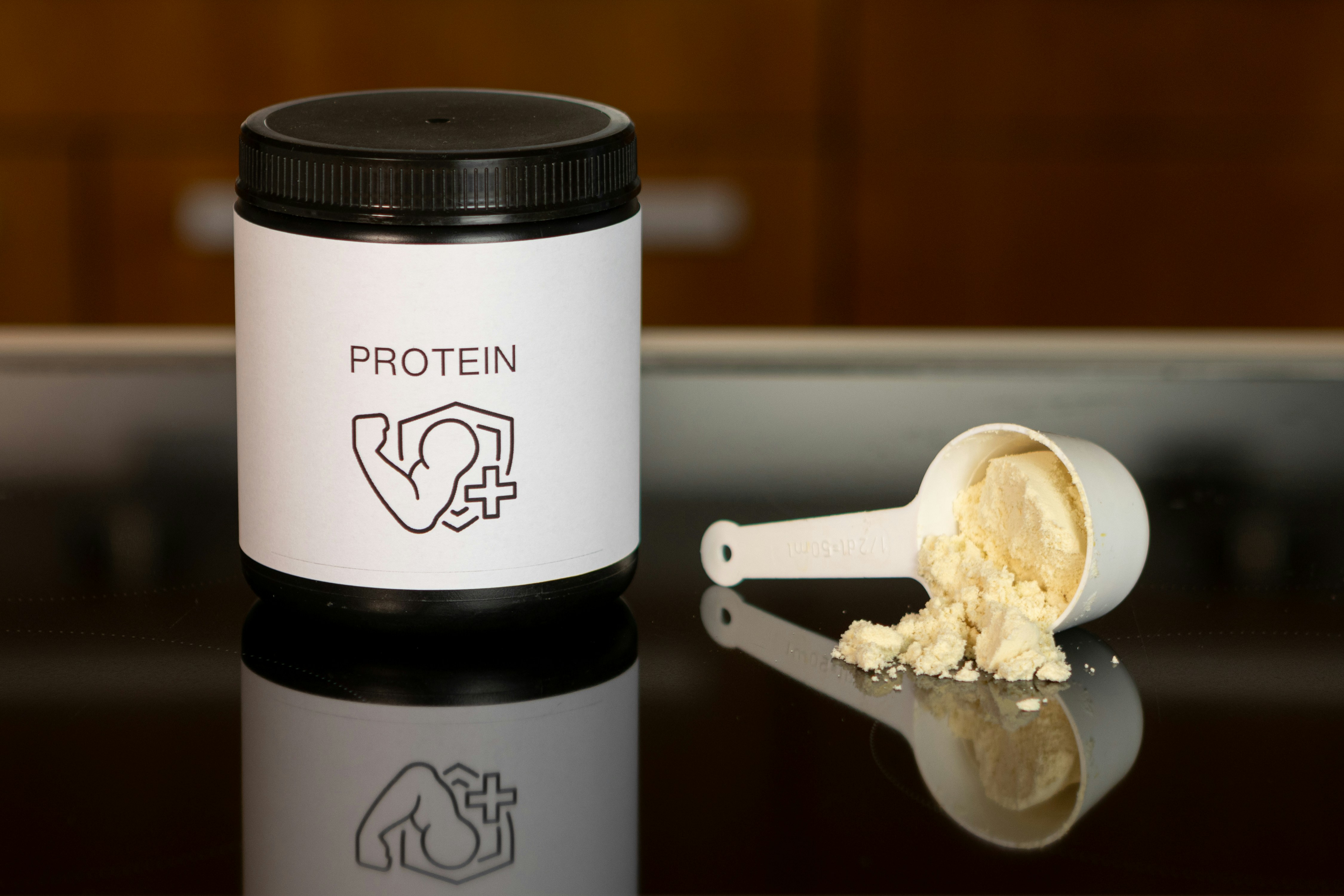
3. Experiment with Protein Supplements: While whole foods should be the primary source of protein, consider protein powders or bars as convenient alternatives. These supplements can be particularly useful for those who struggle to meet their protein needs through food alone. They can be added to smoothies or oatmeal for a nutritious boost.
4. Diversify Protein Sources: Varying protein sources can not only enhance nutritional intake but also make meals more enjoyable. Include plant-based proteins such as beans, lentils, quinoa, and edamame alongside animal proteins. This variety ensures a broader spectrum of amino acids, which are vital for muscle repair and growth.
5. Cook in Batches: Preparing meals in larger quantities can save time and ensure that protein-rich options are available throughout the week. Cooking items such as grilled chicken, baked fish, or legumes in advance can make it easier to add protein to various meals on busy days without extra effort.
By implementing these practical tips, adults over 50 can effectively boost their protein intake, supporting muscle health and overall wellness without major lifestyle changes.
