

Understanding Mobility Decline with Age and How to Combat It

The Aging Process and Its Impact on Mobility
The aging process brings about a series of physiological changes that can significantly affect an individual’s mobility. One of the most notable changes is the gradual decline in muscle mass, often referred to as sarcopenia. As individuals age, muscle fibers decrease in size and number, leading to reduced strength and endurance. This decline can make it increasingly difficult to perform everyday tasks, thereby impacting overall mobility.
Joint flexibility is another critical aspect that deteriorates with age. The cartilage that cushions joints may wear down, and synovial fluid, which lubricates joints, may become less effective. This results in stiffness and discomfort, particularly in weight-bearing joints such as the knees and hips. These changes not only hamper movement but can also increase the risk of falls, making it imperative for older adults to engage in exercises that promote flexibility and joint health.
Bone density also decreases as part of the natural aging process, a phenomenon known as osteoporosis. Weakened bones are more prone to fractures and breaks, which can drastically limit mobility and independence. When mobility is compromised, it can create a vicious cycle—leading to further decline in physical activity and exacerbating the effects of aging.
To combat these age-related changes, maintaining an active lifestyle is crucial. Engaging in regular physical activity that includes strength training, flexibility exercises, and aerobic activities can help mitigate losses in muscle mass and bone density, while also improving balance and coordination. Additionally, a nutritious diet that includes sufficient protein, calcium, and vitamin D can support muscle and bone health. Overall, understanding the aging process and its impact on mobility is essential for older adults to lead active and fulfilling lives.
Common Reasons for Mobility Decline in Older Adults
The mobility of older adults can be significantly affected by a variety of health issues that commonly arise with age. Understanding these issues is crucial for highlighting the importance of early recognition and management to maintain an active lifestyle. Among the most prevalent conditions contributing to mobility decline are arthritis, osteoporosis, and cardiovascular diseases.
Arthritis is one of the leading causes of joint pain and stiffness, which can severely limit the ability of older individuals to move freely. This condition results in inflammation of the joints, often leading to decreased range of motion and discomfort during physical activities. The pain associated with arthritis can discourage older adults from engaging in regular exercise, which is essential for maintaining strength and mobility.
Osteoporosis is another significant health concern, characterized by weakened bones that are more susceptible to fractures. A fall, which can be catastrophic for an older adult, often stems from the combination of decreased balance and weakened bone structure. This condition can create a vicious cycle; individuals who fear falling may limit their activities, further deteriorating their strength and mobility.
Cardiovascular conditions, including heart disease and hypertension, also pose major challenges to mobility in older adults. These conditions can result in decreased endurance, fatigue, and limitations during physical exertion, hindering one’s ability to engage in daily activities. Moreover, certain medications prescribed to manage these cardiovascular issues can have side effects that further reduce mobility.
Recognizing the interplay between these health concerns is vital. It underscores the need for early diagnosis and proactive management strategies that can help older adults maintain their mobility. Engaging in tailored exercise programs, regular medical check-ups, and proper nutrition can play pivotal roles in enhancing mobility and overall quality of life.
Strategies to Enhance and Maintain Mobility in Older Age
As individuals age, maintaining mobility becomes increasingly important for overall health and well-being. There are several practical strategies and exercises that older adults can incorporate into their daily routines to enhance mobility effectively.
One essential aspect is strength training. Engaging in resistance exercises primarily targets muscle mass, which tends to decline with age. This form of training can include bodyweight exercises, resistance bands, or light weights. Activities such as squats, leg lifts, and arm curls can help improve muscle strength significantly. Performing these exercises two to three times per week can drastically enhance functional mobility.
Alongside strength training, flexibility exercises play a crucial role in maintaining a full range of motion. Stretching routines focused on major muscle groups, such as the hamstrings, quadriceps, and shoulders, can prevent stiffness and allow for smoother movement. Incorporating gentle yoga or tai chi can also promote flexibility while enhancing balance, which is vital as it significantly reduces the risk of falls.
Another fundamental strategy is integrating balance improvement techniques into daily activities. Simple exercises like standing on one leg, heel-to-toe walking, and using balance boards can significantly improve stability. These activities should be performed regularly to build coordination and prevent potential accidents.
Nutritional considerations also play an indispensable role in mobility for older adults. A balanced diet rich in essential nutrients—particularly protein, vitamin D, calcium, and omega-3 fatty acids—supports muscle health and bone density. Proper hydration, crucial for overall well-being, should not be overlooked, as it can positively influence energy levels and joint function.
By employing these strategies—strength training, flexibility enhancement, balance improvement, and adequate nutrition—older adults can combat mobility decline effectively, ensuring independence and quality of life as they age.
The Role of Technology and Assistive Devices in Supporting Mobility
As individuals age, maintaining mobility becomes increasingly important not only for physical health but also for sustaining independence and quality of life. Fortunately, advancements in technology and the development of assistive devices have significantly contributed to addressing the mobility challenges faced by older adults. These innovations play a critical role in enhancing mobility and creating a more accessible environment.
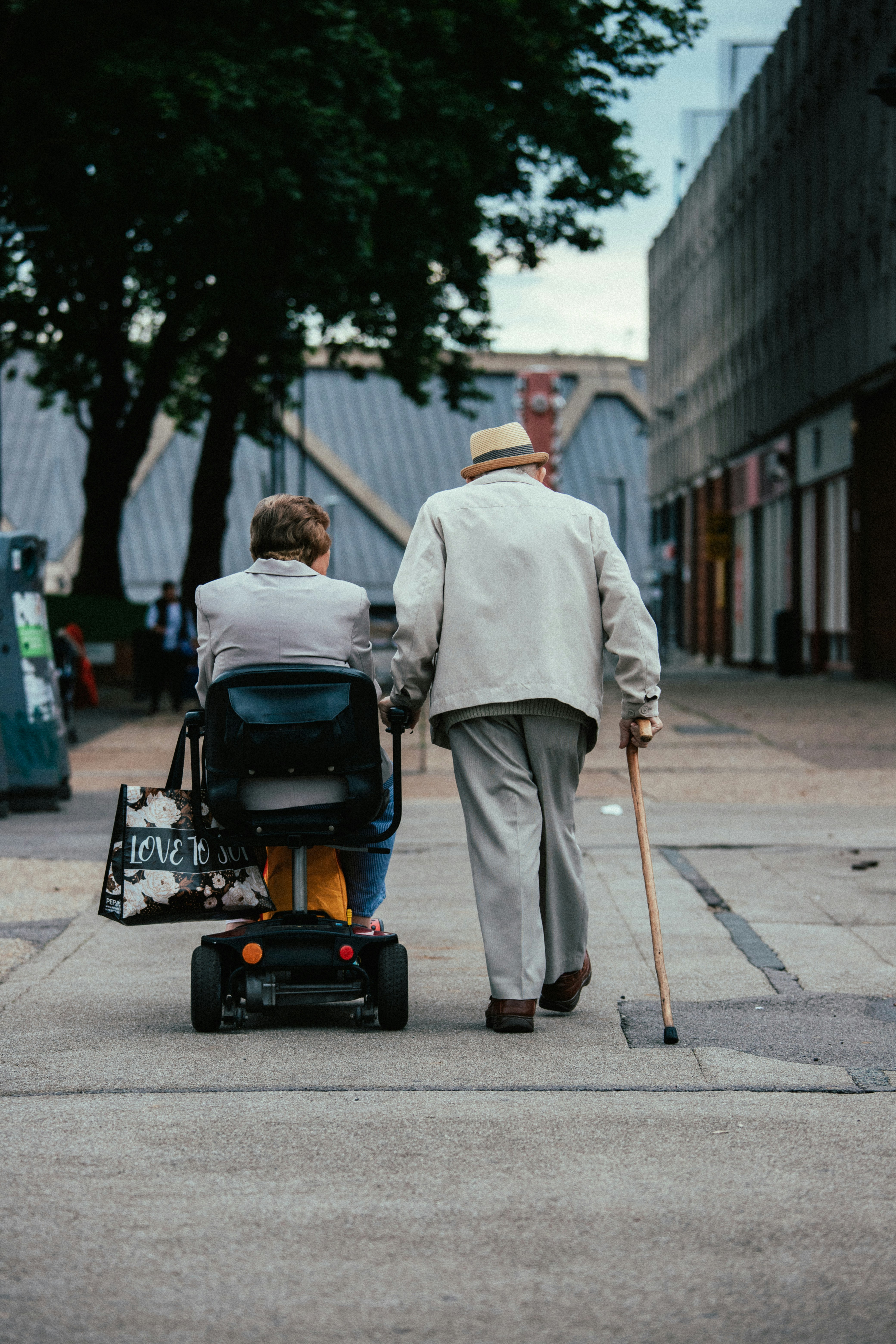
Mobility aids such as walkers, wheelchairs, and canes have long been essential tools for providing physical support. However, the latest technologies have introduced smart mobility devices that offer enhanced functionality. For example, electronic mobility scooters are designed to help individuals navigate larger spaces with ease. These scooters are not only convenient but also empower older adults to engage with their community and partake in daily activities.
Furthermore, smart devices such as health monitoring systems and mobile applications serve an equally important role in supporting mobility. Wearable technology can track physical activity and vital signs, alerting users and their caregivers to any irregularities that may affect mobility. Such technologies foster independence by enabling older adults to monitor their health proactively. Additionally, applications that provide navigation assistance and public transportation information can enhance mobility options for older adults.
The significance of accessibility in public spaces cannot be overstated. Technology is paving the way for inclusive environments that accommodate mobility-impaired individuals. Features such as ramps, elevators, and automated doors are gradually becoming standard in public facilities, enabling older adults to navigate their surroundings more easily. Moreover, apps and digital platforms that highlight accessible locations enhance older adults’ ability to explore new environments without fear of encountering mobility barriers.
In conclusion, advancements in technology and assistive devices play a pivotal role in supporting mobility among older adults. By providing essential mobility aids and ensuring accessibility, society can help individuals maintain their independence and enhance their overall quality of life.
