
Top Strength Exercises for Newbies Aged 50 and Above
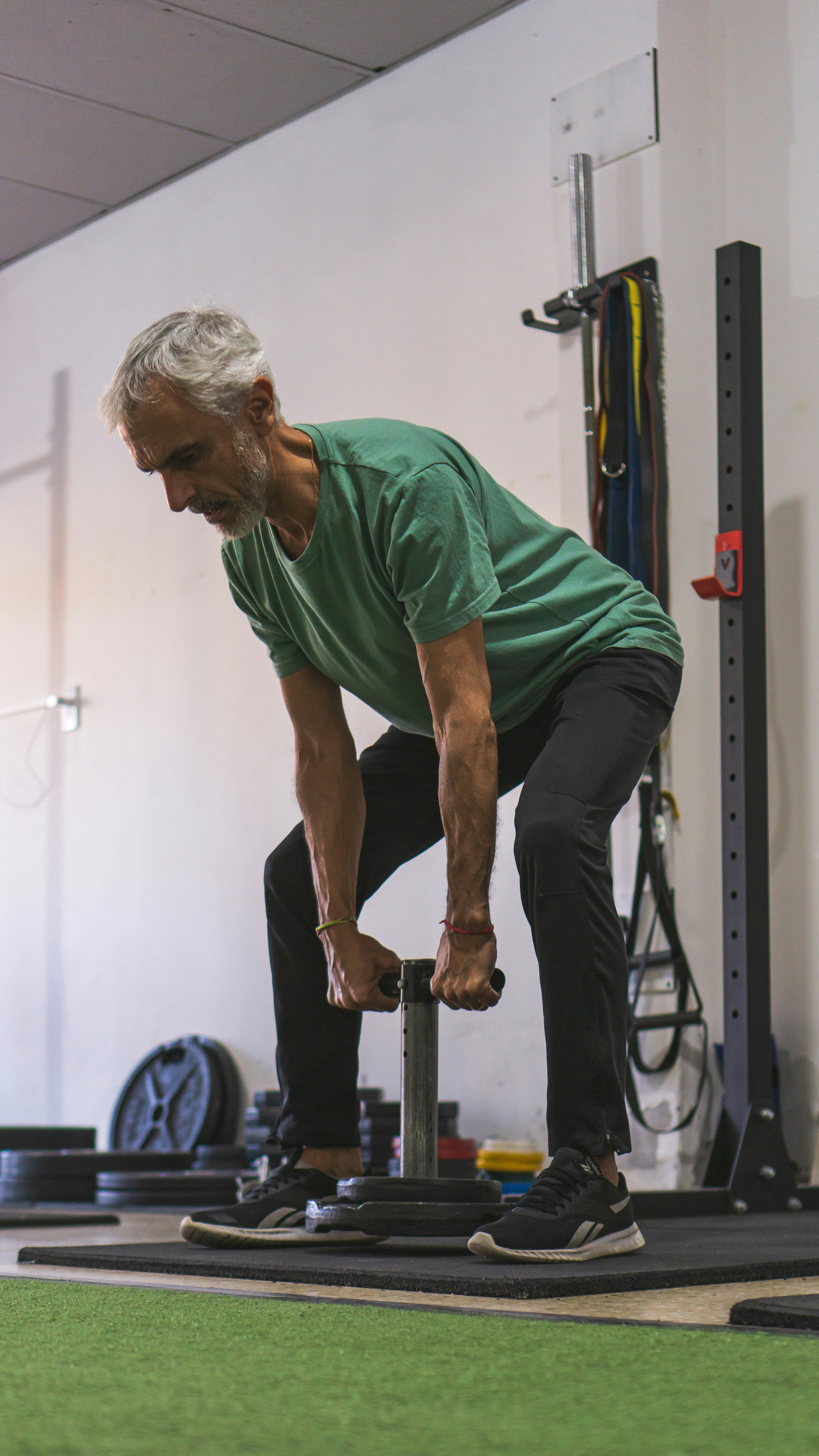

Understanding Strength Training for Older Adults
As individuals age, particularly after the age of 50, there are notable physiological changes that can affect overall health and well-being. One of the most significant changes is the gradual loss of muscle mass and strength, a condition known as sarcopenia. This process can lead to decreased mobility and an increased risk of falls, which are a major concern for older adults. Therefore, engaging in strength training is crucial for maintaining muscle mass and enhancing overall physical fitness.
Strength training, often referred to as resistance training, involves exercises that improve the strength and endurance of muscles. For older adults, incorporating strength training into a regular fitness regimen can offer a multitude of benefits. Firstly, it helps in preserving and potentially increasing muscle mass, which is essential for maintaining independence in daily activities. Additionally, strength training is instrumental in enhancing bone density. Osteoporosis, a condition characterized by weakened bones, is prevalent among older adults. By performing weight-bearing exercises, individuals can strengthen their bones and reduce the risk of fractures.
Moreover, functional fitness improves with regular strength training. This type of fitness pertains to the ability to perform daily activities effectively and safely. By increasing strength, older adults may find it easier to perform tasks such as climbing stairs, lifting groceries, or getting out of a chair. Another critical aspect is the role of strength training in reducing the risk of falls. Improved strength, balance, and coordination can contribute significantly to improved stability, thereby decreasing the likelihood of falls which can lead to serious injuries.
Furthermore, embarking on a strength training program can encourage a sense of empowerment and confidence in older adults. It instills a positive mindset regarding physical health and overall activity levels. It is advisable for older adults to consult healthcare professionals before starting any new exercise program to tailor an approach that considers any existing health conditions.
Key Considerations Before Starting Strength Training
Before embarking on a strength training regimen, it is crucial for older adults, particularly those aged 50 and above, to consider several important factors. The first and foremost step is to consult with a healthcare provider. This initial discussion is essential to evaluate overall health, identify any underlying medical conditions, and receive personalized advice tailored to the individual’s unique needs. A healthcare provider can also recommend appropriate fitness tests to assess current fitness levels.
Assessing fitness levels is another significant step. It helps to establish a baseline for strength, flexibility, and endurance, allowing for a structured and gradual approach to strength training. Older adults should be aware of their limitations and strengths, as this understanding will guide the selection of exercises. Evaluating fitness can involve simple assessments of balance, mobility, and existing strength, which can help in planning an effective and safe routine.
Understanding modifications for injuries is also vital. Many older adults may experience joint pain or other physical limitations. Therefore, it is advisable to learn how to adjust exercises to accommodate specific needs. There are numerous modifications available that allow individuals to participate safely in strength training while reducing the risk of injury. Using lighter weights, incorporating resistance bands, or focusing on body-weight exercises can provide effective alternatives.
Equally important is the emphasis on proper warm-up and cool-down routines. Warming up prepares the muscles and joints for exercise, reducing the risk of injury, while cool-down routines facilitate recovery and enhance flexibility. Incorporating light aerobic activity followed by dynamic stretching in the warm-up phase and static stretching in the cool-down phase creates a balanced approach to strength training.
Top Beginner Strength Exercises for Adults Over 50
As individuals reach the age of 50 and above, engaging in regular strength exercises becomes vital for maintaining muscle strength, improving balance, and enhancing overall functional capacity. Starting a new exercise routine can be intimidating, but there are several effective, beginner-friendly exercises that can be incorporated into daily routines to promote strength and wellness.
One of the most accessible exercises is the bodyweight squat. This exercise targets the major muscle groups in the lower body, including the thighs and buttocks. To perform a squat, stand with your feet shoulder-width apart. As you lower your body as though sitting back into a chair, ensure your knees stay behind your toes while keeping your back straight. Beginners can modify this exercise by using a chair for support, ensuring safety while gaining strength.
Wall push-ups represent another excellent option for building upper body strength. This exercise helps strengthen the chest, shoulders, and arms while being easier on the joints compared to traditional push-ups. To execute a wall push-up, face a wall standing at arm’s length. Place your hands against the wall at shoulder height and slowly lean in, bending your elbows while keeping your body straight, then push back to the starting position. This exercise can be adjusted by altering the distance from the wall, thereby changing the intensity.
Seated leg lifts are beneficial for enhancing quadriceps strength and improving flexibility in the hips. Sitting on a sturdy chair with your back straight, extend one leg until it is parallel with the floor and hold for a few seconds before lowering it. Repeat this on each leg for several repetitions. This exercise is particularly useful for those who may have difficulty with mobility or standing exercises.
Finally, resistance band exercises provide versatile options for strength training. Resistance bands can be used for various movements such as bicep curls, seated rows, and leg presses. They offer gentle resistance which is excellent for building strength without straining joints. It is recommended to start with a light resistance band and gradually increase tension as strength improves.
Incorporating these exercises into a weekly fitness regimen can significantly enhance strength, stability, and confidence for beginners aged 50 and above. Regular practice not only maintains physical health but also contributes to a sense of well-being and independence.
Creating an Effective Strength Training Routine
For adults aged 50 and above, establishing a balanced strength training routine is essential for maintaining muscle mass, enhancing bone density, and promoting overall health. An effective program should incorporate several key components to ensure safety and effectiveness while accommodating individual needs and fitness levels.
Firstly, it’s important to determine the frequency of workouts. Generally, engaging in strength training exercises two to three times a week is recommended. This frequency allows adequate recovery time between sessions, which is vital for muscle repair and growth, especially as the body ages. Each session should ideally last between 30 to 60 minutes, focusing on different muscle groups to promote a balanced workout.
Setting realistic and achievable goals is another crucial part of your routine. Begin by assessing your current fitness level and consider aiming for moderate goals that promote progression without risking injury. This might include improving the number of repetitions or increasing weight gradually. Tracking progress not only provides motivation but also helps in adjusting the routine as strength improves.
Rest days play an integral role in any strength training routine. After a workout, muscles need time to recover and repair. Active rest days, where light activity such as walking or flexibility exercises is performed, can be beneficial. Incorporating at least one or two rest days a week allows the body to recuperate effectively, thereby enhancing performance in subsequent workouts.
As strength increases, it is vital to progress your exercises. This can be done by modifying the resistance, increasing the number of sets or repetitions, or introducing more complex movements. Ensuring that your routine evolves with your growing strength is essential to avoid plateaus and to continue the pursuit of fitness goals.
