

Knee Mobility Exercises for Adults Who Feel Stiff After Sitting
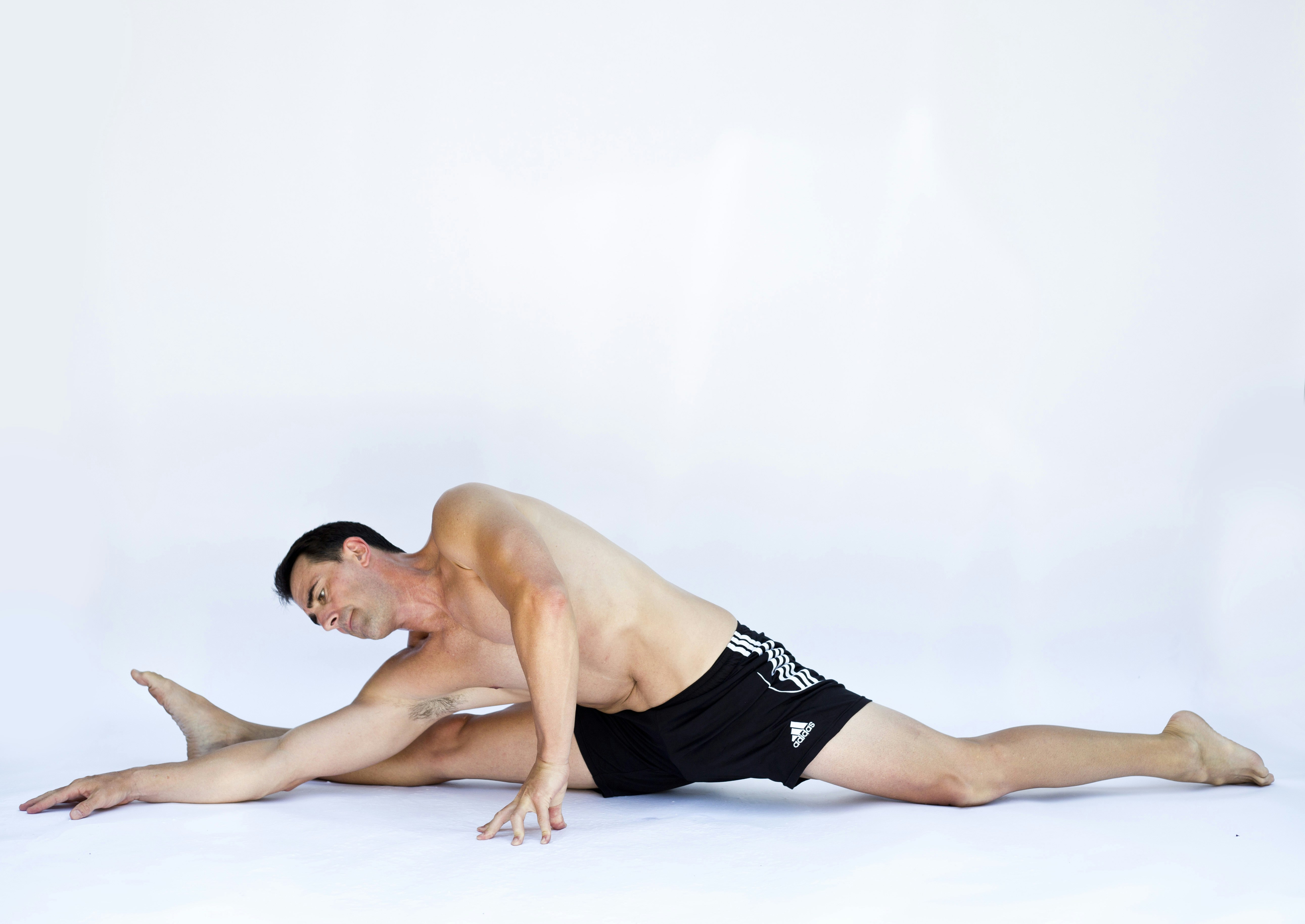

After sitting for a prolonged period, the knees may feel tight, heavy, or difficult to straighten when you stand. Remaining in one position limits normal joint movement and reduces the frequent muscle contractions that help circulate blood through the legs. As a result, the first few steps can feel uncomfortable even when there is no underlying injury. This temporary stiffness often improves as the joints and surrounding tissues begin moving again.
Sitting can also leave several connected muscle groups feeling shortened or inactive. The hip flexors, quadriceps, hamstrings, calves, and muscles around the ankles all influence how the knee moves. If these areas have been still for hours, the knee may feel restricted because the entire leg is not moving smoothly. Limited ankle or hip motion can place additional demands on the knee during standing, walking, or climbing stairs.
Gentle knee mobility exercises are intended to restore comfortable movement after inactivity. They can gradually improve range of motion, reduce the sensation of tightness, and make everyday transitions feel easier. Controlled movements may include slowly bending and straightening the knee, moving the ankle, or gently activating the surrounding muscles. The aim is not to force the joint farther than it comfortably moves, but to reintroduce motion in a steady, manageable way.
Ordinary stiffness typically eases within a short time with light movement and does not become progressively worse. Pain that is sharp, severe, persistent, or associated with swelling, warmth, redness, instability, locking, numbness, or an inability to bear weight may indicate an injury or medical condition instead. Symptoms following a fall, twist, or other specific event also warrant professional assessment. Mobility work is designed for general stiffness and should not replace diagnosis or individualized treatment. Stop any exercise that causes pain rather than mild stretching or effort, and seek guidance from a qualified healthcare professional when symptoms are unusual, recurring, or affecting normal activity.
After sitting at a desk, traveling in a car, or relaxing on a couch, take a moment to prepare rather than moving immediately into demanding knee mobility exercises. Sit or stand with your spine comfortably upright, shoulders relaxed, and both feet supported. Avoid forcing the knees into a particular position. Supportive shoes can improve balance, although bare feet are also suitable when you are on a firm, stable, nonslip surface. Breathe slowly and evenly, allowing each exhalation to reduce unnecessary tension.
Begin with a low-intensity seated reset to reintroduce movement without placing immediate load on the joints. Sit near the front of a sturdy chair, keeping your feet under or slightly in front of your knees. Perform several ankle pumps by pointing and flexing the feet. Next, alternate lifting one heel and then the other, followed by alternating toe lifts while the heels remain grounded. Slowly bend and straighten the knees within a comfortable range, keeping the movement relaxed rather than forcing extra depth. Finish with gentle thigh contractions: tighten one thigh for a few seconds, release fully, and repeat on the other side. Several calm repetitions are enough.
When the knees feel less restricted, transition gradually to standing. Hold a countertop, sturdy chair, or other secure support and shift your weight gently from one foot to the other. Keep the movements small and maintain steady breathing. Progress to slow marching in place, lifting each foot only as high as feels comfortable. If this remains easy, walk at a relaxed pace for a few minutes before attempting deeper bends, lunges, or other more demanding activities.
Use your symptoms as a guide throughout the preparation. A mild pulling sensation, manageable tightness, or awareness of previously stiff areas may be acceptable and should settle as you move. Sharp pain, catching, giving way, unusual instability, or swelling is a reason to stop. Also pause if discomfort increases during the routine or remains worse afterward. Allow the knee to settle, and seek professional advice when symptoms are persistent, significant, or difficult to interpret.
Begin with seated knee extensions. Sit upright near the front of a chair, keep both feet on the floor, and slowly straighten one knee through a comfortable range. Pause briefly, breathe normally, then lower the foot with control. This movement mobilizes the knee joint and gently activates the quadriceps. Complete 5 to 10 repetitions per side. Avoid kicking, locking the knee forcefully, or using momentum. If stiffness is pronounced, straighten the leg only partway or perform fewer repetitions.
Next, practice heel slides either seated or lying on your back. From a seated position, slide one heel toward the chair while bending the knee, then slide it away to straighten the leg. When lying down, keep the heel in contact with the floor as it travels toward the hips and back again. Coordinate the movement with relaxed breathing and use a slow, smooth rhythm. Heel slides encourage comfortable knee flexion while also moving the ankle and hip. A smaller range or seated version is suitable for beginners.
For supported mini-squats, stand behind a sturdy chair and hold it lightly. Place the feet about hip-width apart, send the hips slightly backward, and bend the knees only as far as comfortable before returning upright. Keep the chest lifted, exhale while rising, and ensure the knees track in line with the toes rather than collapsing inward. This exercise develops controlled knee flexion and involves the hips and ankles. Start with 5 to 10 repetitions, using a shallow bend if needed.
Standing hamstring curls mobilize the knee through the opposite direction. Holding a chair, bend one knee to bring the heel toward the back of the thigh, then lower it slowly without leaning forward. Maintain steady breathing and avoid swinging the leg. Perform 5 to 10 repetitions on each side. Follow with a calf stretch facing a wall: step one foot back, keep its heel down, and lean forward until a gentle stretch is felt. Hold 15 to 30 seconds without bouncing or aggressively locking the knees.
For a quadriceps stretch, use a chair or wall for balance, bend one knee, and draw the heel toward the buttock only until comfortable. Keep the knees close and the hips facing forward; do not arch the lower back. Hold 15 to 30 seconds, then change sides. Finish with gentle standing hip circles or controlled marches, lifting one knee at a time without twisting the trunk. These movements complement knee mobility by freeing the hips. Quality and consistency matter more than intensity, so use support, reduce the range, or perform marches seated when necessary.
Make mobility practice fit naturally into the workday rather than treating it as a separate workout. Set a reminder to move every 30 to 60 minutes. During each break, spend one to three minutes standing, walking, or performing a few comfortable knee bends and leg extensions. After a longer period of sitting, complete a five- to ten-minute mobility sequence before returning to regular activities. Short, consistent sessions can be more practical and effective than an occasional lengthy routine.
Progress gradually by increasing movement frequency before increasing intensity. Once regular breaks feel manageable, add repetitions, extend comfortable holds, or introduce light strengthening. Functional movements such as sit-to-stands and low step-ups may also be appropriate when the knees remain comfortable and movement quality is controlled. Progress should not cause escalating pain during the session or noticeably worse symptoms later that day or the following morning.
Support the routine with simple workstation habits. Alternate sitting and standing when possible, take brief walks between tasks, and avoid remaining in one position for too long. Adjust chair height so the feet are supported and the knees are comfortably aligned, without forcing a deeply bent position. Changing posture regularly can reduce the stiffness that develops when the knees and surrounding muscles stay still.
Mild, temporary muscle fatigue after unfamiliar movement can be normal, but increasing pain is a reason to reduce the workload and reassess the exercise. Seek medical advice for persistent swelling, warmth, redness, locking, buckling, numbness, or difficulty bearing weight. A physical therapist or other healthcare professional can provide individualized guidance for ongoing stiffness, previous knee injury or surgery, arthritis, significant swelling, or symptoms that do not improve with gentle movement.
