

How a Heart Rate Monitor Can Improve Your Fitness Results.


If you want to train smarter instead of simply working harder, a heart rate monitor can help you measure effort, manage workout intensity, and track progress with more precision. Whether your goal is fat loss, endurance, recovery, or overall fitness, using real-time heart rate data can make your workouts more structured and more effective.
Heart rate training is no longer limited to elite athletes. With today’s wearable technology, recreational runners, walkers, cyclists, gym-goers, and beginners can all use heart rate data to better understand exertion and make more informed training decisions.


What Is a Heart Rate Monitor?
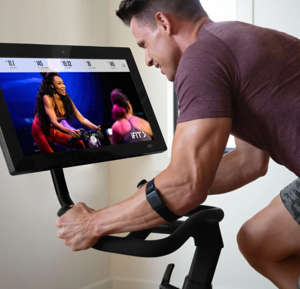
A heart rate monitor is a device that measures how fast your heart is beating during exercise and other activity. Some monitors use a chest strap to detect heart rate electronically, while others use optical sensors built into a watch or armband.
The main benefit is immediate feedback. Instead of guessing whether you are training too hard or too easy, you can see your current effort level in real time and adjust your pace or intensity accordingly.

Common types of heart rate monitors
- Chest strap monitors
- Wrist-based fitness watches
- Armband heart rate monitors
Why Use a Heart Rate Monitor?
Many people rely on pace, distance, or how tired they feel to judge a workout. While those metrics are useful, they do not always show how much internal stress your body is actually under. Heart rate offers a more direct view of exercise intensity.
That matters because outside conditions can change performance. Heat, hills, fatigue, stress, hydration, and sleep can all affect how hard your body is working, even when your pace looks the same on paper.
Benefits of heart rate training
- Helps you train at the right intensity for your goal
- Makes easy days easier and hard days more controlled
- Provides a simple way to monitor progress over time
- Supports endurance, intervals, recovery, and general fitness training
- Can help reduce the tendency to overtrain
How Heart Rate Training Works
Heart rate training is based on working within a target zone instead of chasing only speed or distance. For example, instead of trying to run a certain pace every day, you may aim to stay within an aerobic zone for one session and a higher-intensity zone for another.
This creates more consistency because the workout is tied to your body’s actual effort level. Over time, one sign of improved fitness is being able to move faster or cover more distance while keeping your heart rate in the same range.
How training zones are commonly used
- Lower zones are often used for easy cardio, recovery, and aerobic base work
- Moderate zones can support general endurance and fitness gains
- Higher zones are typically used for hard intervals and performance-focused sessions
How to Find Your Maximum Heart Rate
To use heart rate zones, you need an estimate of your maximum heart rate. Many people start with an age-based formula, but that number should be treated as a starting point rather than an exact personal measurement.
The most accurate method is supervised testing in a lab or clinical setting. Some people also use structured hard-effort field testing, but it should be approached carefully, especially if they are new to intense exercise or have any medical concerns.
Important note about formulas
The traditional 220 minus age formula is widely known, but more current guidance suggests it can be inaccurate for some populations. If you use a formula, think of it as a rough estimate and adjust based on your real-world training response.
Using a Heart Rate Monitor for Different Fitness Goals

For fat loss
A heart rate monitor can help you maintain a sustainable pace during cardio sessions and avoid pushing harder than needed. This can be useful for building consistency and managing energy output across the week.
For endurance
If your goal is better cardiovascular fitness, heart rate training can help you spend more time in the effort range associated with aerobic development. That makes it useful for runners, cyclists, swimmers, walkers, and anyone doing regular conditioning work.
For performance
During interval sessions or harder training days, heart rate data can help you gauge whether you are working at the intended intensity. It also gives you a practical way to compare effort between workouts.
For recovery
One of the biggest benefits of heart rate training is controlling easy days. Many people accidentally turn recovery sessions into moderate sessions, which can make long-term progress harder. Monitoring heart rate can help keep lower-intensity work truly easy.
How to Start Heart Rate Training
- Choose a device that fits your goals and budget.
- Use a reasonable estimate of your maximum heart rate or get tested for better accuracy.
- Set simple target zones in your device or training app.
- Match each workout to one main purpose, such as recovery, endurance, or intervals.
- Track changes over time by comparing heart rate with pace, distance, or workout output.
Common Mistakes to Avoid
- Treating age-based heart rate formulas as exact numbers
- Ignoring factors like heat, stress, dehydration, and poor sleep
- Going too hard on easy or recovery days
- Focusing only on numbers instead of using them as a guide
- Expecting one training zone to suit every workout goal
Final Thoughts
A heart rate monitor is a practical tool for anyone who wants more structure and feedback from their workouts. It can help you pace smarter, train with better control, and understand how your body responds to exercise over time.
For beginners and experienced athletes alike, heart rate data can turn random workouts into more intentional training. That makes it one of the easiest ways to bring more precision to your fitness routine without over complicating the process.