

Effective Exercises to Enhance Chair Transition Skills
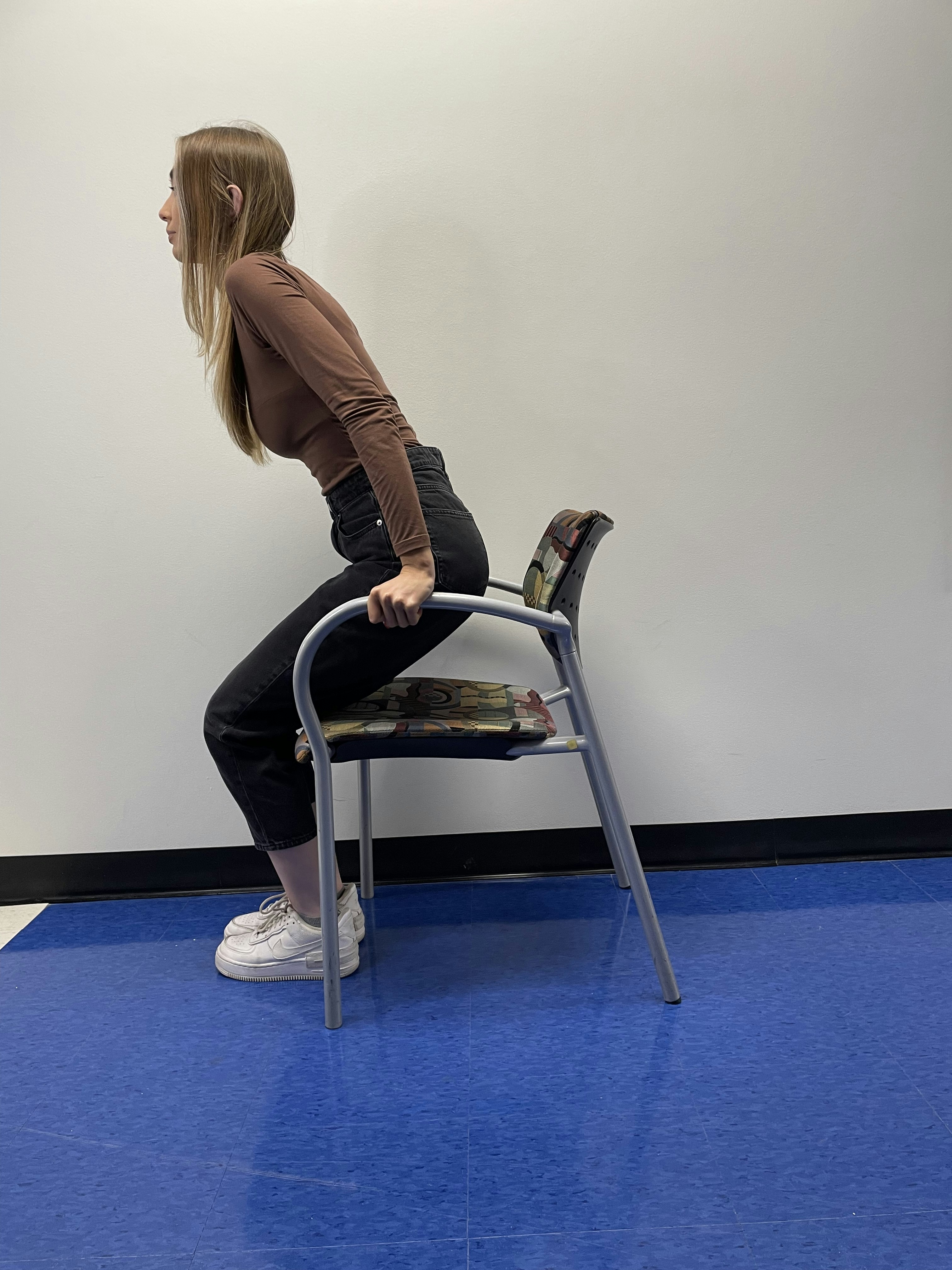

Understanding the Importance of Chair Rises
The ability to rise from a chair is a fundamental skill that significantly influences one’s daily activities and overall mobility. Many people may overlook this simple yet essential movement; however, it plays a crucial role in maintaining independence as one ages. The ease with which an individual can transition from sitting to standing can either enhance or hinder their ability to engage fully in life’s daily tasks.
Chair rises involve a coordinated effort of strength, flexibility, and balance. As individuals age or face physical challenges, these components may decline, making this movement more difficult. The importance of these skills cannot be overstated, as they directly relate to an individual’s ability to navigate their environment, perform household tasks, and participate in social activities. The ability to get up from a chair without assistance fosters a sense of autonomy, which is essential for psychological well-being.
Moreover, the transition from sitting to standing is not just crucial for physical mobility but also impacts one’s quality of life. The capability to perform routine movements independently can enhance self-esteem and reduce feelings of helplessness. Conversely, difficulties in chair rises can lead to increased dependence on others, limiting social interactions and engagement in fulfilling activities.
In addition to psychological aspects, the physical benefits associated with regular practice of chair rises are undeniable. Strengthening the muscles used during this movement can lead to improved physical health and decrease the risk of falls, which are prevalent among older adults. The proficiency in executing this movement underscores the need for targeted exercises that focus on enhancing strength and flexibility. By integrating such exercises into a regular fitness regimen, one can effectively maintain and potentially improve their chair transition skills, thus promoting an active and independent lifestyle.
Key Muscle Groups Involved in Standing Up
Transitioning from a seated to a standing position involves the coordinated effort of several muscle groups throughout the body. Understanding which muscles are engaged during this movement can enhance one’s ability to train effectively for improved chair transition skills.
The primary muscles engaged during this transition are located in the legs. The quadriceps, situated at the front of the thighs, play a crucial role in extending the knee as an individual rises from a seat. Additionally, the hamstrings, found at the back of the thighs, assist in stabilizing the leg as it transitions into a standing position. The gluteal muscles, particularly the gluteus maximus, are essential for lifting the body upwards by extending the hips, making them vital in the standing process.
Equally important in this movement is the core musculature, which encompasses the abdominal muscles and the lower back. The core acts as a stabilizer, providing support to the spine and pelvis during the transition. A strong core enables more efficient and balanced movements, thereby facilitating a smoother shift from sitting to standing.
Moreover, the upper body contributes significantly to the seated to standing transition. The muscles in the arms, particularly the biceps and triceps, assist in using the hands to push off the surface of the chair for added leverage. Along with this, the shoulders and upper back help maintain an upright posture, which is essential for executing the movement effectively.
In summary, understanding the muscle groups involved in standing up is fundamental for improving movement efficiency. Engaging the legs, core, and upper body collectively enhances balance and stability, making transitions from a seated position smoother and more controlled. Overall, targeting these muscle groups during physical training can lead to effective improvements in chair transition skills.
Top Exercises to Improve Chair Rise Performance
Enhancing chair transition skills is crucial for individuals seeking to maintain independence and mobility. A range of effective exercises focus on building the strength and coordination required to rise from a seated position efficiently. Below is a detailed list of exercises tailored for this purpose.
1. Sit-to-Stand Exercise: This fundamental exercise mimics the action of rising from a chair. To perform it, sit on the edge of a sturdy chair with feet flat on the floor. Cross your arms over your chest or place them at your sides. Lean forward slightly, engaging your core, then push through your heels to stand up. Slowly lower yourself back into the chair. Aim for 10-15 repetitions. For beginners, consider using armrests for support.
2. Heel Raises: Strengthening the calves supports overall leg strength, assisting in standing up. Stand behind the chair, holding onto the back for balance. Raise your heels off the ground, standing on your toes, then lower back down. Perform 10-15 repetitions. Individuals can vary this exercise by doing it without support as their strength increases.
3. Step-Ups: This exercise improves leg strength and stability. Find a sturdy step or low platform. Step up with one foot, pressing through the heel, and then step down. Alternate feet and repeat for 10-15 repetitions on each side. To increase difficulty, hold onto weights or extend the height of the step.
4. Wall Sits: This exercise enhances leg endurance. Stand with your back against a wall and slide down into a seated position, making sure your knees are at a 90-degree angle. Hold this position for 20-30 seconds, focusing on keeping your back straight. Gradually increase the duration as your strength improves.
Each of these exercises can be adapted to meet varying fitness levels, allowing individuals to progress safely in their chair rise performance. Incorporating these movements into a regular routine can significantly enhance the necessary physical attributes for seamless functionality in daily activities.
Tips for Practicing Chair Rises Safely
Practicing chair rises safely is crucial for enhancing movement transitions and promoting overall confidence when standing from a seated position. To ensure a productive practice session, it’s essential to maintain proper technique throughout each repetition. Firstly, when preparing to stand, position your feet firmly on the ground; the heels should be directly beneath the knees, as this provides a stable base of support. Engaging your core muscles helps in maintaining balance, which is vital for reducing the risk of falls.
Choosing the right environment for practice is equally important. A clear and spacious area without obstacles can prevent potential accidents. Additionally, utilizing a sturdy chair with armrests provides extra support when needed. Ensuring the chair is of appropriate height, allowing your feet to rest flat on the floor when seated, is also a significant aspect. This setup not only improves the effectiveness of the exercise but reduces strain on the joints and promotes proper body alignment.
Listening to your body during practice cannot be overstated. It is essential to be aware of any discomfort or fatigue that arises. If you experience pain while rising from the chair, pause and reassess your form or take a break. Adapting the number of repetitions and the speed of the transitions based on your current fitness level is also recommended. This adaptive approach can prevent overexertion and minimize the risk of injury. By incorporating these tips, individuals can safely practice chair rises, improving their skills and confidence in this essential movement as part of their functional fitness regimen.
