

Creating a Sustainable Healthy Aging Routine
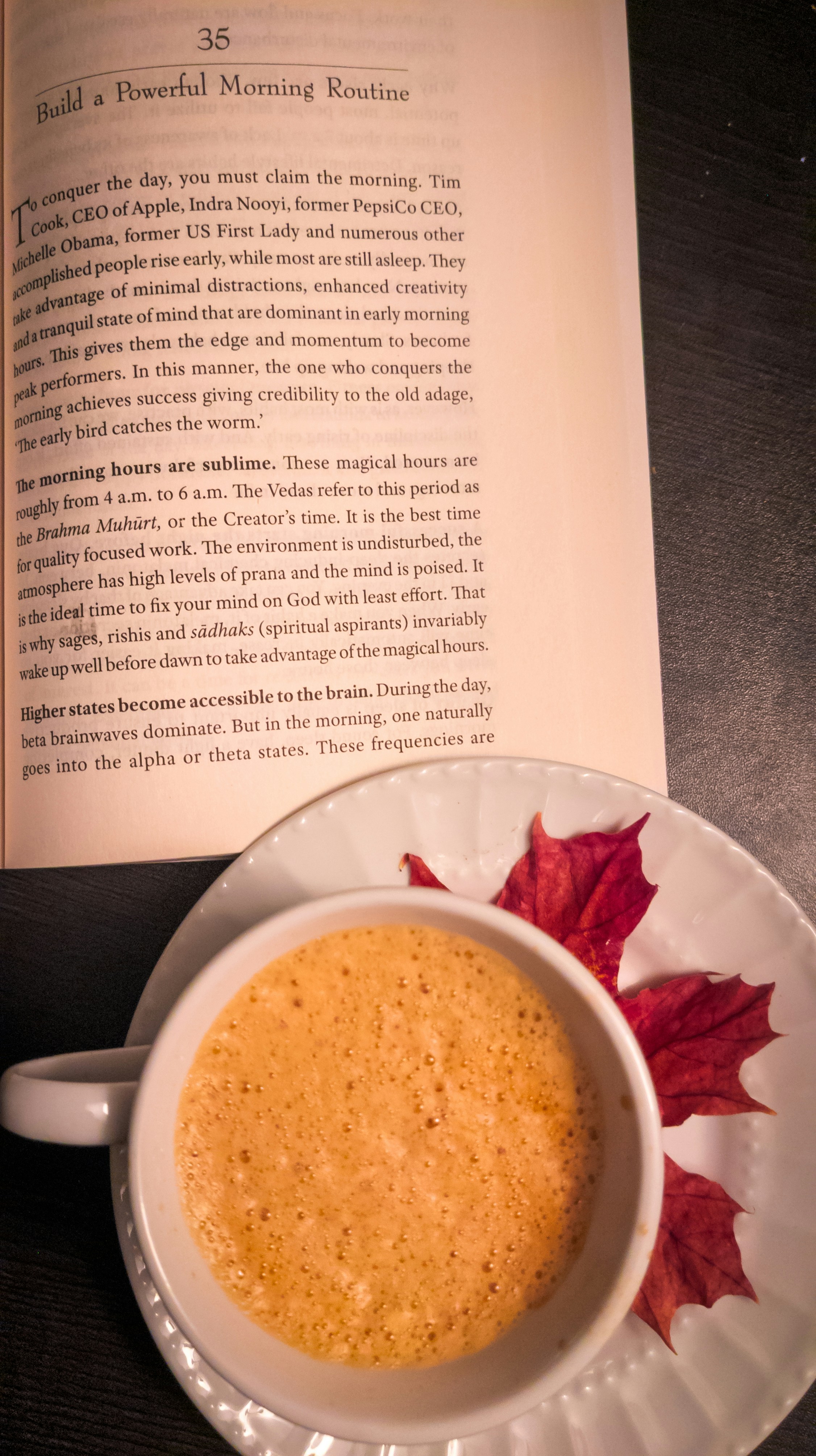

Understanding Healthy Aging
Healthy aging is a multifaceted concept encompassing biological, psychological, and social dimensions. It refers to the process of developing and maintaining the functional ability and well-being that enables engagement with life across the lifespan. To age healthily, it is essential to adopt a proactive approach, addressing various factors that contribute to both physical and mental health.
Biologically, aging involves a gradual decline in physiological functions, which can lead to age-related diseases. However, individuals can mitigate these effects through regular physical activity and proper nutrition. Engaging in consistent exercise routines not only strengthens muscles and improves cardiovascular health but also enhances bone density, reducing the risk of osteoporosis and fractures. Likewise, a balanced diet rich in nutrients, including fruits, vegetables, whole grains, and lean proteins, plays a crucial role in maintaining energy levels and overall health.
Psychological well-being is another critical component of healthy aging. Mental health issues such as depression and anxiety can significantly impact an individual’s quality of life. Engaging in activities that promote mental stimulation, such as reading or pursuing hobbies, can help maintain cognitive function. Additionally, practicing mindfulness and stress management techniques aims to foster psychological resilience and emotional stability.
Furthermore, social connections are vital for healthy aging. Strong relationships and social networks can provide emotional support, reduce feelings of loneliness, and contribute to an enhanced sense of purpose. Participating in community activities or forming new friendships can help foster a sense of belonging and improve overall well-being as individuals age.
In conclusion, understanding healthy aging involves recognizing the importance of an integrated approach that includes physical activity, proper nutrition, mental health, and social relationships. By proactively addressing these areas, individuals can enhance their quality of life and promote longevity, ensuring that aging is a positive journey.
Key Components of a Maintainable Routine
A sustainable healthy aging routine comprises several essential components, each playing a vital role in enhancing overall health and promoting longevity. Understanding these elements can empower individuals to cultivate habits that support aging gracefully.
First and foremost, physical activity should be a cornerstone of any healthy aging regimen. Engaging in regular exercise helps to maintain muscle strength, enhances cardiovascular health, and improves balance, all of which are crucial as one ages. Activities such as walking, swimming, or yoga can be particularly beneficial, catering to various fitness levels and preferences. It is essential to aim for at least 150 minutes of moderate-intensity aerobic activity each week, complemented by strength training exercises on two or more days.
Nutrition also plays a critical role in a sustainable healthy aging routine. A well-balanced diet rich in whole foods, such as fruits, vegetables, whole grains, lean proteins, and healthy fats, is fundamental. These food groups provide essential nutrients that the body requires to function optimally. Additionally, staying hydrated is vital for maintaining bodily functions and supporting cognitive performance. As metabolism slows with age, adjusting portion sizes and focusing on nutrient-dense foods can help manage weight and overall health.
Cognitive engagement is another key aspect often overlooked in discussions about aging. Keeping the mind active through activities such as reading, puzzles, or learning new skills can help maintain cognitive functions and may reduce the risk of dementia. Additionally, fostering creativity through hobbies can provide mental stimulation and contribute positively to emotional well-being.
Finally, social interaction is paramount in creating a maintainable routine for healthy aging. Establishing connections with family, friends, and community members can enhance emotional support and foster a sense of belonging. Participation in social groups or clubs can encourage regular engagement and help reduce feelings of loneliness and isolation, promoting better mental health.
Incorporating these key components—physical activity, nutrition, cognitive engagement, and social interaction—into a daily routine can create a robust framework for sustainable healthy aging. By focusing on these areas, individuals can work towards enhancing their quality of life as they age.
Tips for Establishing and Sticking to Your Routine
Creating a sustainable healthy aging routine requires a thoughtful approach that integrates various elements of well-being into daily life. One effective strategy is goal-setting, where individuals are encouraged to define clear, achievable objectives that resonate with their personal health aspirations. By setting specific goals, such as increasing physical activity or integrating more nutritious foods into daily meals, one can create a framework for their routine that is both motivating and rewarding.
Scheduling is another crucial component. Allocating dedicated time slots for activities can turn them into regular habits, making it easier to incorporate healthy practices into a busy lifestyle. It is advisable to utilize digital calendars or planners to help visualize the week ahead and establish consistency. By treating health objectives as appointments, one is more likely to prioritize actions that contribute to overall wellness.
Accountability plays a significant role in maintaining a healthy routine. Engaging with a community, whether through friends, family, or wellness groups, fosters a sense of responsibility. Sharing goals and progress updates can enhance motivation, as the support from others creates an environment conducive to adherence. Additionally, partnering with others can transform solitary activities into enjoyable social experiences, thereby reinforcing commitment.
Finally, it is essential to find activities that are enjoyable and fulfilling. A routine marked by pleasure is more sustainable over the long term. Experimenting with different forms of exercise, hobbies, or wellness practices can help individuals discover what they truly enjoy. Incorporating variety not only keeps the routine fresh but also enhances the likelihood of sticking with it.
By combining these strategies of goal-setting, scheduling, accountability, and enjoyment, individuals can establish routines that are healthy, sustainable, and deeply integrated into their daily lives, paving the way for successful aging.
Evaluating and Adjusting Your Routine
Regularly evaluating your healthy aging routine is crucial for ensuring that it remains effective and aligned with your health goals. This process involves a thoughtful assessment of various aspects of your routine, including physical activity, nutrition, mental health practices, and social engagement. By periodically reflecting on these elements, you can identify what works well and which areas may need improvement.
One key aspect of assessment is recognizing the signs that indicate a routine may no longer be beneficial. For instance, if you find yourself feeling fatigued, stressed, or unmotivated despite adhering to your current practices, it may be time to re-evaluate. Additionally, changes in health status, such as new medical diagnoses or the effects of aging, might necessitate significant adjustments to your routine. Listening to your body and respecting its signals is an integral part of maintaining a sustainable healthy aging approach.
Flexibility is essential when developing a routine that promotes healthy aging. As personal circumstances change—whether due to lifestyle shifts, health issues, or evolving interests—your routine must adapt accordingly. Embracing a mindset of adaptability enables you to integrate new activities or modify existing ones to keep them relevant and enjoyable. For example, if a once-preferred exercise becomes too strenuous, exploring alternative forms of movement, such as swimming or yoga, can help you maintain regular physical activity without compromising health.
Setting aside time for self-reflection and evaluation on a quarterly or bi-annual basis can facilitate these necessary adjustments. During this period, assess not just the outcomes, such as changes in weight or endurance, but also your feelings about your routine. Are you engaged and motivated? Establishing benchmarks for success and factoring in personal satisfaction can lead to more fulfilling and sustainable practices. In conclusion, regularly evaluating and adjusting your healthy aging routine is vital for ensuring it meets your current needs and enhances your well-being over time.
