
Supplements That May Support Strength Training After 50 (And Which to Skip)
Understanding Strength Training Over 50
As individuals reach the age of 50 and beyond, various physiological changes significantly impact their overall health and fitness levels. One of the most notable changes is the gradual decline in muscle mass, commonly referred to as sarcopenia. This condition can result in decreased strength, reduced mobility, and an increased risk of falls and injuries. In addition, bone density tends to diminish with age, making individuals more susceptible to osteoporosis and fractures. Strength training plays a critical role in mitigating these effects.
Engaging in strength training exercises can help counteract the natural decline in both muscle mass and bone density. The process of regularly lifting weights or performing resistance exercises stimulates muscle hypertrophy, which not only increases strength but also enhances functional capacity for daily activities. Furthermore, these exercises promote bone health by enabling the bone remodeling process, leading to higher bone mineral density.
Incorporating strength training into a fitness regime post-50 offers several benefits beyond mere physical strength. Improved balance is a fundamental advantage, as it reduces the risks associated with falls, thereby enhancing the confidence of older adults during movement. Additionally, strength training has been associated with better mobility; individuals often find they can perform tasks such as climbing stairs, lifting objects, and getting up from a seated position more effortlessly.
Moreover, regular participation in strength training enhances overall well-being. Research suggests that physical activity of this nature can improve mood, reduce symptoms of anxiety and depression, and contribute to a better quality of life. With these benefits in mind, it becomes evident that creating a strength training routine is pivotal for anyone over the age of 50, paving the way for a healthier and more active lifestyle.
Key Supplements for Building Strength After 50
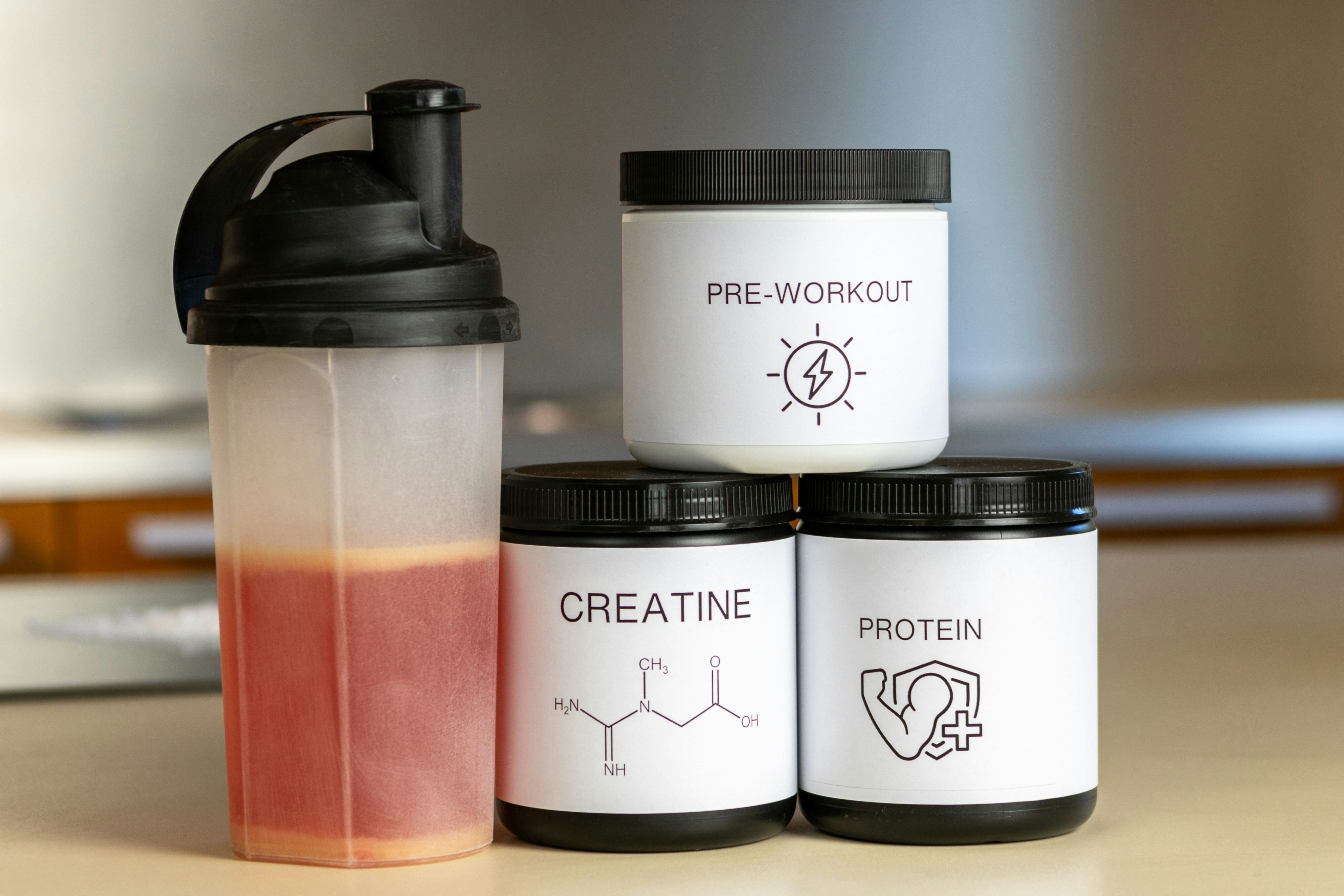
As individuals age, particularly after 50, maintaining and building strength becomes increasingly important. Certain supplements can play a significant role in supporting strength training efforts. Here, we highlight five key supplements: protein powders, creatine, vitamin D, omega-3 fatty acids, and branched-chain amino acids (BCAAs).
Protein Powders are vital for muscle growth and recovery. The recommended daily intake of protein generally increases with age; thus, incorporating protein powder can help meet these needs. Studies suggest that consuming around 20 to 30 grams of protein after workouts can enhance muscle protein synthesis. Options such as whey or plant-based protein powders can be effective, especially when integrated into smoothies or post-exercise meals.
Creatine is often associated with improved strength and muscular performance. Research indicates that creatine supplementation may help older adults preserve lean muscle mass and improve strength. A typical dosage is about 3 to 5 grams daily, which can be easily mixed with water or shakes. Its effects on ATP production can lead to enhanced exercise performance, making it beneficial for those engaging in strength training.
Vitamin D plays a crucial role in muscle function and health. For individuals over 50, a vitamin D deficiency can lead to muscle weakness and increased risk of injury. The recommended daily allowance varies but is often suggested to be around 800-1000 IU. Sun exposure and dietary sources like fatty fish can help, but supplementation might be necessary, especially in areas with limited sunlight.
Moreover, omega-3 fatty acids contribute to overall muscle health by potentially reducing muscle inflammation and soreness post-exercise. A daily intake of 1 to 3 grams of omega-3s from fish oil or algae supplements may help enhance recovery and joint health.
Finally, branched-chain amino acids (BCAAs) are essential for muscle recovery and can offset muscle soreness. A dosage of 5 to 10 grams before or after workouts may be beneficial. Integrating these supplements effectively into an existing workout regimen can significantly support strength training goals.
Supplements to Avoid or Use With Caution
As individuals age, particularly those over 50, it becomes increasingly important to approach dietary supplements with caution, especially when it comes to supporting strength training. Certain supplements may pose risks or fail to provide the intended benefits. Among these, anabolic steroids are one of the most concerning. While they may promote muscle growth, they also carry significant health risks, including hormonal imbalances, liver damage, and cardiovascular issues. As such, their use should be avoided altogether.
Excessive amounts of caffeine are another area of concern. While moderate caffeine intake can enhance performance, too much can lead to detrimental effects, including insomnia, anxiety, and elevated heart rates. Older adults may be more sensitive to caffeine, making it essential to consume it judiciously and explore alternatives for energy, such as B vitamins or adaptogenic herbs that promote a balanced metabolism.
In addition, certain fat burners marketed for weight loss may not be suitable for individuals over 50. Many of these products contain stimulants and other ingredients that can stress the body and interfere with heart health. Instead of relying on these supplements, individuals are encouraged to consider a holistic approach by prioritizing nutrient intake from whole foods. A balanced diet rich in lean proteins, healthy fats, fruits, and vegetables provides the vitamins and minerals necessary for sustaining energy levels and supporting muscle health.
Overall, while some supplements may seem beneficial, it is crucial to avoid those that pose significant risks. Staying wary of anabolic steroids, excessive caffeine, and certain fat burners helps ensure safer strength training practices. Before considering any supplement, it is advisable to consult healthcare professionals for personalized guidance, thus ensuring a safer and more effective approach to strength training and overall health after the age of 50.
Frequently Asked Questions (FAQs) About Supplements and Strength Training After 50
As individuals age, particularly after the age of 50, many seek ways to enhance their health and maintain their strength through training and dietary supplements. This section addresses some frequently asked questions regarding the use of supplements in conjunction with strength training for those over 50.
Are supplements safe for people over 50? Generally, many supplements are safe; however, it is essential to consult with a healthcare provider before starting any new supplement regimen. Factors such as existing health conditions and current medications can influence whether specific supplements are appropriate.
Do I need to take supplements if I am strength training? While a well-balanced diet is paramount, some individuals may find that supplements can help fill nutritional gaps, particularly if they face difficulties in obtaining sufficient nutrients from food alone. The necessity of supplementation can vary from person to person based on dietary habits, lifestyle, and overall health.
How should I choose high-quality supplements? When selecting supplements, it is prudent to look for products that have been tested by third-party organizations and bear quality certifications. Additionally, choosing supplements with transparent labeling that lists all ingredients can help ensure quality. Researching brands and reading consumer reviews can also provide insights into product efficacy and safety.
How long will it take to see results from taking supplements? The timeline for experiencing benefits from supplements can differ depending on the individual and the specific supplement in question. Typically, it can take several weeks to notice improvements, particularly with supplements aimed at enhancing muscle growth or recovery. Adhering to recommended dosages and combining supplementation with a regular strength training program is essential for optimal results.
