
Best Pre- and Post-Workout Nutrition Strategies for Over 50 Lifters

Understanding Nutrition Needs After 50
As individuals age, particularly those over the age of 50, their nutritional requirements undergo substantial changes. This shift is primarily due to alterations in metabolism, hormonal levels, and muscle mass that naturally occur with age. A well-balanced diet becomes paramount for sustaining energy levels, enhancing muscle recovery, and promoting overall health. The focus should be on key macronutrients: proteins, carbohydrates, and fats, along with essential micronutrients.
Proteins play a crucial role in preserving muscle mass and promoting recovery following exercise. As the body’s ability to synthesize protein diminishes with age, higher protein intake becomes vital for older adults. Studies suggest that older lifters should aim for a protein intake of approximately 1.2 to 2.0 grams per kilogram of body weight, ensuring adequate support for muscle repair and growth.
Carbohydrates are equally essential, serving as the primary fuel source during workouts. After the age of 50, metabolism might slow down, leading to lower energy levels. It is important to choose complex carbohydrates such as whole grains, fruits, and vegetables, providing sustained energy while also contributing to overall health through fiber and important vitamins.
Fats, often overlooked, are essential for hormone production and overall cellular health. Healthy fats from sources like avocados, nuts, and olive oil can support metabolic functions and provide necessary nutrients for the body. In conjunction with these macronutrients, older adults must also prioritize micronutrients such as vitamin D, calcium, and magnesium, which are vital for bone health and muscle function.
Thus, understanding one’s unique nutritional needs after 50 is instrumental in maintaining an active lifestyle. Tailoring nutrient intake to match exercise regimens not only optimizes performance but fosters enhanced longevity and vitality in daily activities.
Pre-Workout Nutrition Strategies
Effective pre-workout nutrition is vital for lifters over the age of 50, as it can significantly enhance energy levels, stamina, and overall muscle performance. To achieve optimal results, attention should be given to meal timing, food choices, and hydration.
When considering meal timing, it is generally advisable to consume a balanced meal approximately two to three hours before a workout. This meal should contain a mix of carbohydrates and protein to ensure adequate energy supply and muscle support. Suggested food options include whole grain toast with avocado and eggs, or a quinoa salad mixed with lean chicken and assorted vegetables. These meals provide sustained energy and promote muscle readiness.
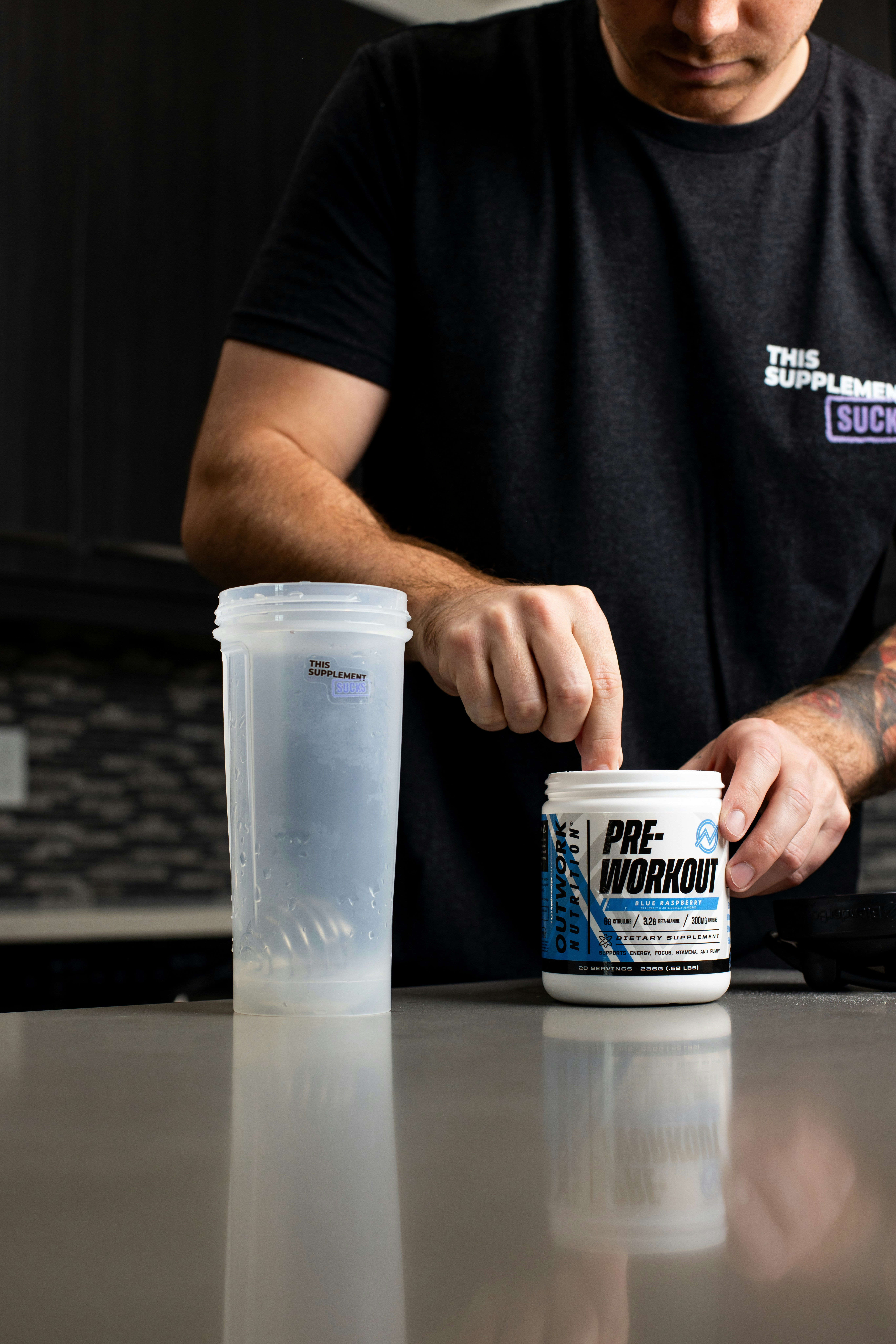
If a full meal seems too heavy before a workout, a snack consumed about 30 to 60 minutes prior to lifting can still be effective. Snacks such as a banana with a scoop of nut butter or a small protein smoothie can provide the necessary quick energy without causing discomfort during the workout.
Furthermore, hydration plays a crucial role in pre-workout nutrition. Staying hydrated before exercising helps to maintain overall performance and can prevent fatigue. It is recommended to drink adequate water leading up to the workout. A general guideline is to drink at least 16 to 24 ounces of water in the two hours before commencing physical activity.
In terms of macronutrient ratios, older lifters should aim for a ratio of approximately 3:1 carbohydrates to protein in their pre-workout meals. This strategy ensures optimal glycogen stores and supports muscle preservation during workouts. Such tailored nutrition strategies for lifters over 50 can lead to improved workout effectiveness and enhanced results.
Post-Workout Nutrition Essentials
Post-workout nutrition is an essential component of an effective recovery strategy, particularly for individuals over 50. The body undergoes various physiological changes as we age, making timely and adequate nutrient intake after exercise crucial for optimal recovery. The general recommendation is to consume nutrients within the first 30 minutes to two hours post-exercise, a period often referred to as the “anabolic window.” During this timeframe, the muscles are primed for nutrient absorption, which enhances protein synthesis and promotes muscle repair.
Protein plays a pivotal role in recovery. For individuals over 50, incorporating high-quality protein sources, such as lean meats, fish, dairy, or plant-based options like legumes, can support muscle regeneration and mitigate the natural decline in muscle mass associated with aging. Aim for a post-workout intake of 20 to 30 grams of protein to maximize muscle recovery. Complementing protein with carbohydrates, such as whole grains or fruits, helps replenish glycogen stores, which are depleted during intense physical activity. This combination enhances recovery and prepares the body for subsequent workouts.
Furthermore, hydration is a key aspect of post-workout recovery. Engaging in lifting or any significant exercise results in fluid loss, so it is vital to rehydrate adequately. Water is often sufficient; however, for prolonged or especially intense workouts, electrolyte drinks may be beneficial to restore lost minerals like sodium and potassium. Some individuals may also consider supplements that target recovery, such as branched-chain amino acids (BCAAs), which can further stimulate muscle recovery and reduce soreness when consumed after workouts.
In summary, effective post-workout nutrition involves timely protein and carbohydrate intake, proper hydration, and, where appropriate, supplementation to ensure efficient recovery. These strategies are essential for lifters over 50 to maintain strength, enhance fitness levels, and promote overall well-being.
FAQs on Nutrition for Lifters Over 50
As individuals reach the age of 50, they often have unique nutrition-related concerns, especially when engaging in weightlifting. Here are some frequently asked questions that can help clarify some common misconceptions and provide guidance on pre- and post-workout nutrition strategies.
1. Is it necessary to eat before a workout?
Many people believe that eating before a workout is not essential; however, this is a misconception, especially for lifters over 50. Consuming a small meal or snack rich in carbohydrates and protein about 30-60 minutes prior to exercising can enhance performance and endurance. This meal helps in providing energy and minimizes the risk of muscle breakdown during workouts.
2. What should I eat after my workout?
Post-workout nutrition is equally important. After lifting weights, focusing on protein and carbohydrates is crucial for recovery and muscle synthesis. Ideally, aim to consume a meal or snack within two hours post-exercise. Foods like lean meats, dairy, or plant-based options paired with whole grains can significantly aid in recovery and maintain muscle mass.
3. How do I adjust my diet as I age?
As we age, our metabolism and nutritional needs may shift. It is advisable to focus on whole foods rich in nutrients, such as fruits, vegetables, whole grains, and healthy fats, while minimizing processed foods. Additionally, staying hydrated is essential as dehydration can be more common in older adults. Regularly reviewing nutritional habits and incorporating flexibility can help maintain a balanced diet.
By addressing these common questions, lifters over 50 can better navigate their nutritional landscape and make informed decisions that support their fitness journey and overall well-being.
